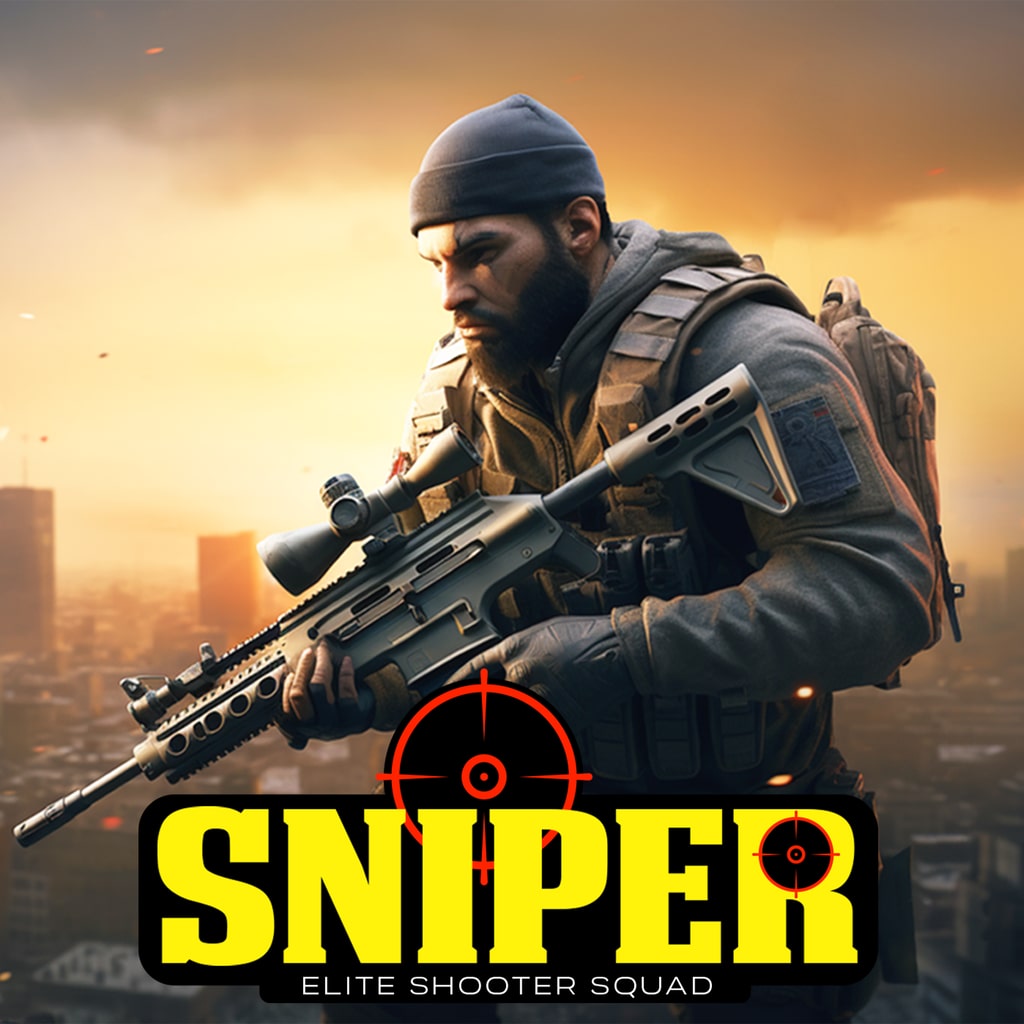
In an era dominated by sprawling open-world shooters, narrative-driven campaigns, and cinematic AAA spectacles, Sniper – Elite Shooter Squad on PlayStation 4 stakes its claim as a focused, squad-based tactical shooter where precision, patience, and positioning matter as much as trigger pull. As a title that wears its “sniper” DNA on its sleeve, this game invites players to step into the boots of an elite marksman coordinating with squadmates across varied combat scenarios. It blends stealth, reconnaissance, and high-stakes marksmanship into a package that, while not without flaws, delivers satisfying moments of tension and tactical satisfaction.
After extensive play across single-player missions and multiplayer engagements, Sniper – Elite Shooter Squad emerges as a title with clear strengths in its core shooting mechanics, atmospheric encounter design, and unified squad dynamics. Its weaknesses are equally identifiable: pacing can sometimes feel uneven, enemy variety limited, and narrative depth modest compared to genre heavyweights. Yet for players who relish methodical engagement over run-and-gun chaos, this game offers a compelling, if occasionally uneven, journey into tactical shooting mastery.
Aiming True: Concept and Identity
At its core, Sniper – Elite Shooter Squad is built around two interlocking concepts: the art of the long shot and the tension of team-oriented engagement. The game is unapologetically rooted in realism-inflected combat where vision cones, bullet drop, wind adjustment, and stealth matter. Rather than rewarding frenetic aggression, it privileges observation, reconnaissance, and strategic patience.
This identity manifests immediately in the opening missions. You are dropped into contested zones with limited intel, tasked with surveying the battlefield before engaging. Spotting enemies, identifying patrol routes, selecting firing positions, and coordinating with AI or human squadmembers form the backbone of gameplay loops. In doing so, the game stakes out its ambition: not an arcade rush but a deliberate simulation of tactical engagement.
Precision and Feel: Shooting Mechanics
Where Sniper – Elite Shooter Squad shines most is undoubtedly its shooting mechanics. Handling a sniper rifle in this game feels weighty and intentional. The interplay of gravity, distance, breath control, and wind — factors often abstracted in mainstream shooters — are baked into every shot. Adjusting for range isn’t a superficial overlay; it’s woven into the core feedback loop. When you line up a high-value target from hundreds of meters out, the satisfaction of a clean, calculated hit is visceral and rewarding.
Weapon handling more broadly is commendable. Rifles, sidearms, and support weapons each carry distinct recoil, fire patterns, and handling quirks that make mastery a meaningful pursuit. Reload animations are not mere flourishes; they reinforce the weight of every engagement. Sound design complements this fidelity — muzzle reports carry convincing impact, distant enemy chatter suggests spatial awareness, and the subtle rustle of wind or foliage cues environmental immersion.
This emphasis on tactile weapon interaction elevates the experience beyond mere simulation into a realm where each shot carries consequence — for the mission, for the squad, and for the player’s sense of agency.
Squad Dynamics and Tactical Ecosystem
Unlike solitary sniper games that cast the player as a lone wolf, Sniper – Elite Shooter Squad places significant emphasis on team interaction. Early missions introduce AI squadmembers whose survival and effectiveness directly influence mission outcomes. Your role often extends to providing overwatch, marking targets for squad advances, and coordinating suppressive fire to enable manoeuvres.
This dynamic injects a rhythm into each encounter. You might spend several minutes in quiet observation, lining up a series of shots, before transitioning into a tense combined assault where your team pushes forward. The game’s command interface allows you to issue simple orders — hold position, advance, flank — which enriches engagement without overwhelming players with micromanagement.
In multiplayer setups, this team-centred design shows its greatest potential. Coordinating with other real players encourages communication and strategic creativity. A shared focus on reconnaissance, choke point control, and synchronized engagement makes cooperative play feel distinctly tactical. It’s here — in shared tension and collective strategy — that Sniper – Elite Shooter Squad feels most alive.
Level Design and Combat Pacing
The game’s levels vary widely in geography and tactical opportunity, from desert outposts and mountain ridges to urban sprawls and industrial complexes. This environmental diversity helps keep engagements fresh as different terrains demand distinct approaches. Open fields favour long-range precision, while tighter urban corridors force players to balance sniping with close-quarters awareness.
However, pacing occasionally wavers. Some missions build tension brilliantly, crafting cat-and-mouse engagements that reward methodical creeping and observation. Others, regrettably, collapse into repetitive cycles of firefight after firefight with little variation in objective or environmental challenge. A handful of maps lean on familiar layouts and enemy placements that veteran players may recognise from similar titles, diminishing the sense of discovery.
Enemy variety, too, is somewhat limited. While higher-tier foes may exhibit smarter cover usage and coordinated tactics, basic grunt encounters can feel mechanically familiar after extended play. These limitations don’t cripple the core experience — good shooting remains fun — but they do temper the sustained intensity across a full campaign.
Narrative, Tone, and Character
Narratively, Sniper – Elite Shooter Squad does not aspire to the emotional depth or cinematic storytelling of larger franchise shooters. The campaign is functional: it provides context for missions, explains objectives, and situates encounters within a broader conflict. But it rarely offers memorable characters, dramatic twists, or thematic richness.
This narrative modesty is not inherently detrimental; for players who prioritise mechanical engagement over story, it allows gameplay to remain unencumbered by exposition. Yet others seeking emotional stakes or memorable arcs may find the storytelling surface-level.
Maximising immersion is the game’s strongest storytelling vehicle. Ambient cues — distant explosions, radio chatter, tense silence before an engagement — often communicate mood more effectively than scripted dialogue. The setting becomes its own narrative canvas, encouraging players to project their own stories onto the tactical engagements.
Visuals and Audio Atmosphere
On the PS4 hardware, Sniper – Elite Shooter Squad delivers solid visuals. Environments are detailed where it counts: vegetation sways realistically in tactical zones, terrain features provide authentic cover opportunities, and lighting shifts from golden hour to dusk in ways that affect visibility and mood. Enemy models, weapons, and gear reflect era-appropriate design with sufficient texture fidelity to avoid immersion breaks.
Framerate stability holds up well even during firefights with coupled effects like smoke, explosions, and dynamic shadows. While the game doesn’t rival the graphical polish of top AAA shooters, it strikes a balance between visual clarity and performance — a wise prioritisation given the tactical demands of play.
Audio design is a standout element. Directional gunfire, footsteps, squad communication, and environmental ambience coalesce into a soundscape that reinforces presence. Echoing shots across valleys or the muffled thud of a suppressed rifle are not just effects but functional cues that feed tactical decision-making.
Accessibility and Learning Curve
Engagement with Sniper – Elite Shooter Squad is accessible yet deep. Basic movement and aiming controls feel intuitive, while advanced shooting techniques — zeroing, wind compensation, breath control — offer layers of mastery for dedicated players. The game strikes a careful balance: novices can contribute and enjoy progression, while veterans will find nuance and challenge.
Tutorials are helpful without feeling intrusive, introducing systems in context rather than as isolated lessons. This design choice preserves flow while ensuring players are equipped to handle tactical depth.
Final Verdict
Sniper – Elite Shooter Squad is a thoughtful tactical shooter that captures the satisfaction of precision marksmanship and squad coordination on PS4. While it makes occasional compromises in narrative depth and enemy variety, its core mechanics — weapon realism, environmental immersion, and strategic pacing — are compelling and satisfying. Its highlight lies in how it integrates team dynamics with sniper-oriented play, creating engagements that reward patience, adaptation, and strategic awareness.