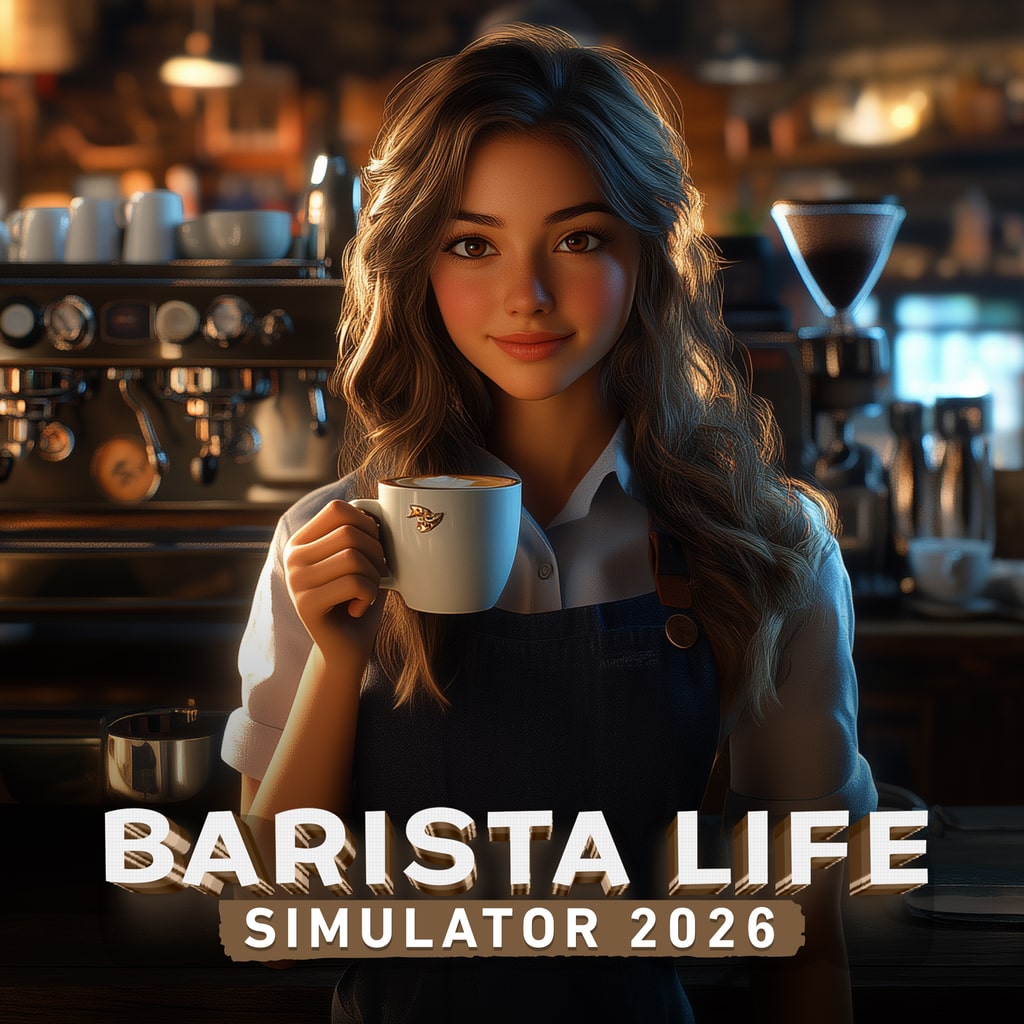
When a new life simulator arrives promising to let you “live the perfect coffee dream,” it sets an expectation that goes beyond simply brewing virtual beverages. Barista Life Simulator 2026 presents itself as an immersive blend of café management, realistic coffee preparation, and entrepreneurial progression. The core premise—transforming a tiny coffee stand into a thriving café empire—is inherently compelling, but the success of that vision hinges on the execution of its simulation systems, pacing, and overall gameplay depth. After extensive playthroughs, the experience proves rich in conceptual ambition, yet mixed in its practical fulfilment.
Concept and Vision
At its heart, Barista Life Simulator 2026 delivers what its name suggests—a simulation experience centred around the daily operations of a coffee shop. You start with modest means: a small corner space, basic equipment, and a handful of recipes. As you serve customers and accumulate revenue, you can invest in better machinery, expand the café space, hire staff, and refine your operations. The game intertwines practical management mechanics with the tactile satisfaction of crafting coffee beverages ranging from classic espressos to latte art masterpieces. This synergy of café culture and business strategy sets a promising foundation for both casual players and simulation enthusiasts.
Gameplay Mechanics
Gameplay unfolds through a blend of time management, crafting precision, and strategic planning. Each customer order functions as a discrete task: interpret a request, select the appropriate ingredients, prepare the drink using step-by-step processes, and serve it within an acceptable time window. Drinks vary in complexity; simple americanos require fewer steps, while lattes or specialty beverages might demand careful milk steaming or topping techniques. The result is a rhythm of orders that feels satisfying when executed correctly, but can become frantic during rush periods.
The detail in beverage preparation is a highlight. Recipes call for specific measurements, tool interactions, and timing that underscore a realistic preparation workflow. There is a deliberate tension between speed and quality—rush too much and customer satisfaction drops, proceed too slowly and orders back up—mirroring the pressures of real café work. This mechanic elevates the experience beyond superficial “click-to-serve” simulators and gives the player a tangible sense of skill progression as they refine their craft.
However, the management layer beyond coffee preparation occasionally feels underwhelming. While the game includes hiring staff, upgrading equipment, stocking inventory, and decorating your space, these systems are functional but not deeply integrated. Staff AI remains rudimentary, often requiring repetitive supervision rather than liberating the player to focus on higher-level decisions. Inventory management, though present, lacks nuance; stock depletion and reorder thresholds tend to be arbitrary and rarely influence long-term strategic planning.
Presentation and Polish
Visually, the game carries a minimalist aesthetic that suits its genre but tends to lean toward the generic. The café spaces are serviceable and recognisable, but there is a lack of distinctive visual flair that would make each café feel unique. Customer models, interior assets, and environmental animations are competent but not exceptional, leaving the world feeling somewhat static at times.
Audio design follows a similar pattern. Background ambience evokes a relaxed café vibe, with soft music and ambient chatter that supports immersion. Sound cues for actions—espresso shots pulling, steam wands hissing, and customers placing orders—are pleasant and functional, though they rarely evolve or vary enough to sustain auditory interest over prolonged sessions.
One notable criticism is the inconsistent quality of in-game feedback and tutorialisation. While basic systems are introduced clearly, deeper mechanics such as staff delegation, financial planning, and equipment optimisation are left for players to discover through trial and error. This can result in moments of confusion, particularly for those less familiar with simulation genre conventions.
Pacing and Progression
Progression in Barista Life Simulator 2026 revolves around earnings and reputation growth. Completing orders earns money that can be reinvested in the business, unlocking more advanced equipment, drink recipes, and larger café layouts. Reputation functions as a meta-currency, determining which customer types visit your café and what services or upgrades you can access.
The curve of progression is generally well-paced, offering a sense of meaningful advancement without overwhelming players early on. That said, the mid-game can drag as revenues stabilise and the novelty of expansion wanes. A stronger infusion of dynamic events—such as seasonal menus, local café competitions, or unique customer storylines—would invigorate long play sessions and give more reasons to revisit established cafés.
Replayability and Long-Term Engagement
Replay value stems primarily from personal goals and challenge pursuits rather than narrative or emergent systems. Players may choose to optimise profitability, experiment with aesthetic design themes, or specialise in particular drink styles. However, lacking multiplayer features or community leaderboards, the game’s long-term motivation rests almost entirely on self-directed achievement.
While some players will find this liberation appealing, others might long for more structured objectives or competitive frameworks. The absence of online elements in an era where even independent simulators often adopt some form of social engagement is a noticeable omission.
Audience Fit
Barista Life Simulator 2026 caters best to players who enjoy slow-burn management sims, casual crafting, and lifestyle gameplay. It will appeal to those who appreciate methodical tasks and incremental progress rather than high-octane mechanics or narrative depth. Players seeking deep economic systems, dynamic story arcs, or strong AI companions may find the experience somewhat shallow.
Conversely, coffee aficionados and simulation purists will recognise the game’s strengths in replicating the tactile pleasure of coffee preparation and café ambience. There is an earnest charm to the way the game approaches these elements, even if the peripheral systems do not fully match that ambition.
Final Verdict
Barista Life Simulator 2026 is an earnest and engaging entry into the café simulation genre. It captures the sensory appeal of coffee preparation and combines it with a serviceable business management framework. The experience is rewarding when the fundamentals shine—especially in the satisfying interplay of order preparation and café growth—but falls short of greatness due to shallow peripheral systems, modest presentation, and limited long-term hooks.