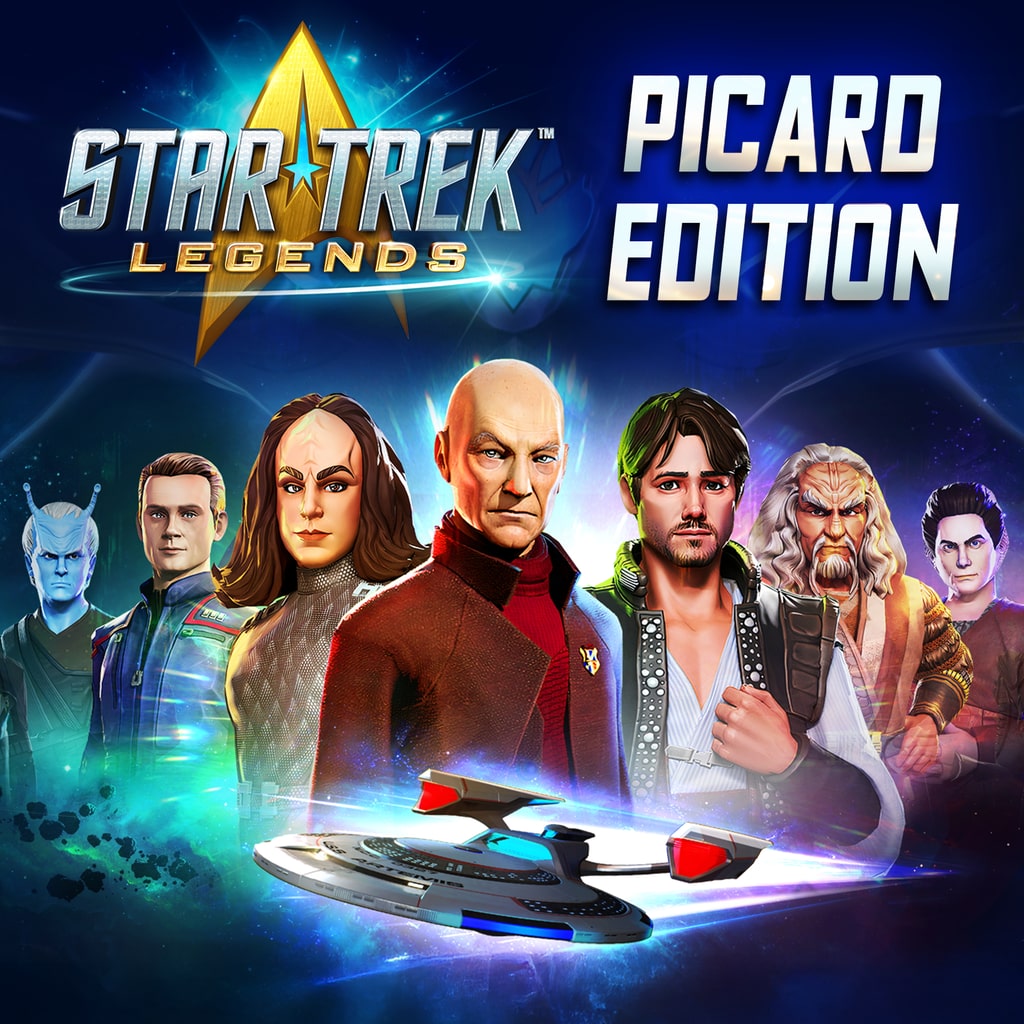
In the ever-expanding universe of Star Trek tie-in entertainment, Star Trek: Legends – Picard Edition arrives with a compelling promise: to channel the thematic depth and character-driven narrative of Star Trek: Picard into a richly layered mobile strategy RPG. What distinguishes this edition is not merely the inclusion of Captain Jean-Luc Picard and familiar faces from the series, but the intent to bridge the emotional gravitas of the show with strategic gameplay that respects both franchise lore and player agency.
The result is a game that largely succeeds in capturing the spirit of Star Trek: exploration, diplomacy, moral dilemma, unity through diversity, and the weight of consequence. While not without structural limitations common to the mobile RPG space, Picard Edition delivers a robust and engaging experience that should satisfy both franchise fans and strategic gamers seeking narrative depth.
Narrative Integration: Canon and Continuity
Right from the outset, Star Trek: Legends – Picard Edition positions itself as an authentic extension of the Star Trek universe. The game weaves original story arcs with familiar threads from Star Trek: Picard, augmented by appearances from characters such as Seven of Nine, Raffi Musiker, and other beloved figures. This edition takes care to build narrative bridges rather than superficial cameos, treating players to thoughtful dialogue, cinematic stills, scripted cutscenes, and mission framing that resonate with established canon.
What sets the narrative apart is its commitment to thematic depth. Players confront scenarios that echo Star Trek’s signature moral complexity — from issues of synthetic life rights to geopolitical strife and the ethical costs of command. Missions are rarely reducible to simple “defeat X enemy” objectives; instead, they often pose bifurcated choices that inform reputation, alliances, and character relationships. This emphasis on consequence, while not unprecedented in RPGs, is handled with an unusual level of narrative care for a licensed mobile title.
The branching decision system ensures that choices have lasting ripple effects. Characters respond differently based on your history; outcomes in later missions can vary significantly depending on earlier diplomacy or tactical decisions. This narrative fluidity elevates Picard Edition above many genre peers, which often rely on linear mission chains.
Core Gameplay Loop: Strategy, Team Building, and Combat
At its core, Star Trek: Legends – Picard Edition is a strategy RPG where team composition, tactical deployment, and resource management are integral to success. The game’s mission design alternates between narrative dialogues and turn-based engagements that challenge players to leverage character strengths, exploit enemy weaknesses, and think several steps ahead.
Combat is visually accessible without being shallow. Each character possesses unique abilities tied to their canonical traits — Picard’s diplomatic edge translates into morale buffs, while Seven of Nine’s Borg enhancements manifest as precision strikes and tactical debuffs. Tactical combat plays like a refined dance of positioning, ability timing, and synergy optimisation. This depth is reinforced by the AI’s sophistication; enemies behave with strategic intent, using flanking, cover, and coordinated attacks to challenge players beyond rote button-pressing.
Team building is another central pillar. Players assemble squads from across the Star Trek timeline, each character occupying distinct roles such as Commander, Specialist, Engineer, or Support. Balance matters: a team stacked with heavy hitters but lacking defensive or utility characters will find certain missions disproportionately challenging. This encourages thoughtful roster development and tactical experimentation, particularly as new recruits and upgrades become available.
Resource management integrates seamlessly with progression. Characters level up, unlock new abilities, and gain equipment improvements that impact both combat efficacy and narrative branching possibilities. Rather than feeling like an arbitrary grind, progression reinforces both mechanical depth and narrative connection — your investment in characters pays off both in battle results and how dialogue unfolds.
Presentation: Visuals and Audio
Visually, Star Trek: Legends – Picard Edition strikes a capable balance between performance and fidelity. Characters are rendered with recognisable likenesses, and environments — whether starship interiors, alien landscapes, or diplomatic chambers — are richly detailed enough to evoke immersion without taxing performance across a broad range of devices.
Animation quality is consistent, with combat sequences benefiting from clear visual cues that indicate ability effects and status changes. While not blockbuster-level graphics, the art direction successfully evokes the tone of Star Trek: Picard by emphasising lighting, detail, and cinematic framing in key narrative moments.
Audio design further reinforces immersion. The soundtrack blends ambient orchestration with familiar Star Trek motifs, and voiceovers — while not fully featured for every dialogue line — deliver emotional weight where it matters. Tactical feedback sounds — energy weapon hums, status effect cues, and character interaction tones — are serviceable and well-balanced, contributing to a cohesive sensory experience.
Accessibility and Player Onboarding
One of Picard Edition’s strengths is its thoughtful onboarding. The game introduces mechanics gradually, ensuring players understand combat systems, ability hierarchies, and the strategic implications of choice before diving into narrative complexity. Tutorials are integrated into early missions rather than presented as separate lessons, which aids immersion and reduces friction.
Difficulty scaling is generally well calibrated. Early missions feel welcoming, with incremental complexity that respects the learning curve. Later challenges demand greater coordination and preparation, especially when narrative factors — allied relationships, reputation status, and previously selected moral paths — affect mission parameters.
Social features such as guild systems, cooperative missions, and leaderboard challenges add long-term appeal without overshadowing the narrative core. These systems integrate smoothly with the core loop rather than feeling bolted on.
Monetisation and Progression Pitfalls
No modern mobile RPG review would be complete without addressing monetisation, and Star Trek: Legends – Picard Edition occupies a relatively well-balanced space. While microtransactions exist — offering currency bundles, premium character packs, and timed boosts — they do not feel inherently predatory. Progression is achievable through skill and persistence; paying merely accelerates access rather than gating core content outright.
That said, pacing can feel uneven during extended sessions. Players may find themselves repeating lower-reward missions to earn currency or experience at higher levels. This is a familiar tension in the genre, and while Picard Edition avoids egregious paywalls, it occasionally pushes players toward premium currency for quality-of-life convenience rather than necessity.
Strengths and Limitations
Strengths:
- Narrative depth that honours Star Trek: Picard’s thematic complexity
- Strategic combat that rewards tactical thinking and squad synergy
- Rich character progression tied to both mechanics and story
- Accessible onboarding with gradual introduction of systems
- Solid audiovisual presentation that evokes franchise identity
Limitations:
- Narrative consistency occasionally challenged by genre tropes
- Progression pacing can require repeated replay or currency expenditure
- Multiplayer or competitive challenges may feel secondary to narrative priority
Final Verdict
Star Trek: Legends – Picard Edition is a well-crafted convergence of beloved franchise narrative and robust mobile strategy RPG design. It respects the legacy of Star Trek while offering a gameplay experience that feels thoughtfully honed for both newcomers and veteran fans. Narrative choices carry weight, strategic combat feels rewarding, and character progression offers depth without confusion.
Though not without pacing and progression quirks common to mobile RPGs, this edition stands out for its narrative ambition and mechanical finesse. It is one of the most successful licensed adaptations in recent memory — a game that honours its source material while standing confidently on its own strategic merits.
For players looking for a mobile strategy experience with emotional resonance, tactical depth, and a strong connection to franchise lore, Star Trek: Legends – Picard Edition is a worthy starship to captain.