In a gaming landscape dominated by narrative-driven adventures and fast-paced action titles, Object Factory dares to embrace the pure joy of creation and experimentation. Developed by Gearworks Interactive, this indie title transforms a seemingly mundane concept—building and managing objects—into an engaging, strategic, and surprisingly chaotic experience. For players who enjoy tinkering, optimizing, and discovering emergent systems, Object Factory offers a sandbox of near-endless possibilities.
Concept & Setting
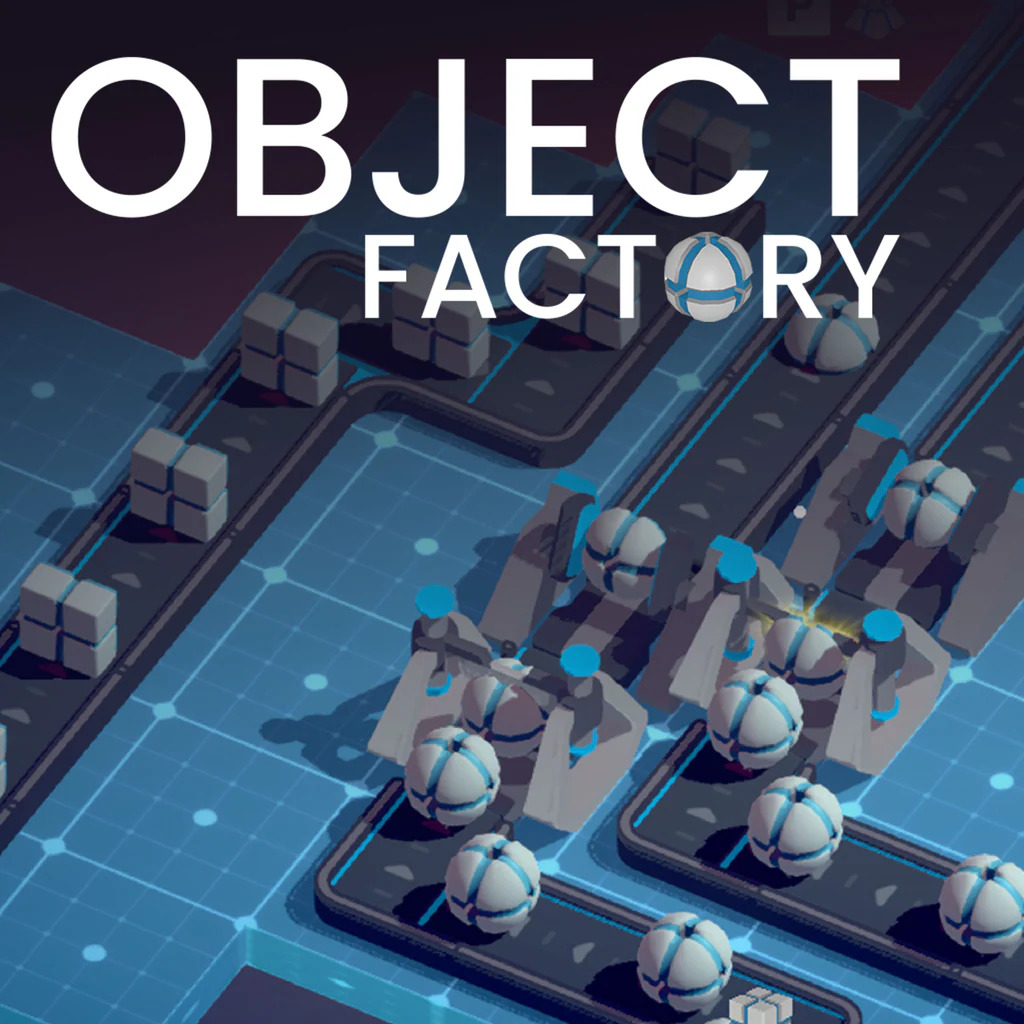
At its core, Object Factory is a management and construction game that tasks players with designing, producing, and optimizing a factory of various objects. The setting is deliberately minimalistic and industrial, emphasizing function over frills. Conveyors, assembly lines, and robotic arms populate the factory floor, while futuristic machines hum and clank in the background.
While the setting is utilitarian, the charm emerges from the emergent gameplay and player creativity. The game doesn’t rely on a traditional story but instead frames its experience around player goals: efficiency, creativity, and problem-solving. Players are free to experiment with production chains, upgrade machinery, and tackle increasingly complex tasks. The lack of narrative frees players to focus entirely on the core mechanics, giving the game a pure, unfiltered sandbox quality.
Gameplay: Strategy, Automation, and Emergence
Gameplay revolves around building and managing production lines to manufacture a variety of objects. Players start with basic components and simple machines, gradually unlocking advanced tools and upgrades. Each object has unique production requirements, and optimizing the assembly lines for efficiency quickly becomes a complex puzzle.
The true depth of Object Factory emerges through automation and emergent systems. Players can set up machines to work together, adjust conveyor speeds, and use robotics to handle logistics. Mistakes or misconfigurations often lead to unpredictable results: a misplaced conveyor can send objects tumbling, triggering chain reactions that are as frustrating as they are entertaining. Watching these systems interact—even when chaos ensues—creates a compelling gameplay loop that rewards observation, experimentation, and problem-solving.
Resource management and progression add additional layers of challenge. Players must balance power consumption, material availability, and production quotas. Later levels introduce specialized objects, timing constraints, and environmental hazards that test not only mechanical skill but also strategic planning. The game rewards creativity and adaptability, allowing players to tackle challenges in multiple ways, whether through brute-force efficiency or clever automation hacks.
Visuals & Audio
Object Factory employs a clean, stylized visual approach that emphasizes clarity over realism. Machines, objects, and production lines are easily distinguishable, which is essential for understanding complex factory systems. Animations are smooth, and visual feedback—such as sparks from a malfunctioning machine or conveyor jams—adds charm and clarity.
The audio design complements the industrial aesthetic. The hum of machines, clatter of objects on conveyors, and occasional mechanical failures provide a satisfying soundscape. Background music is subtle, energetic, and adaptive, encouraging focus without becoming repetitive. The combination of visual clarity and audio cues ensures that players remain fully immersed in the rhythm of factory life.
Strengths & Weaknesses
Pros:
- Deep, emergent gameplay that rewards experimentation and creativity
- Strategic challenge through automation, optimization, and problem-solving
- Clear, functional visuals that make complex production lines readable
- Engaging sandbox experience with almost endless replayability
- Subtle humor and chaotic moments add personality and fun
Cons:
- Minimal narrative may feel dry for players seeking story-driven content
- Early tutorials can be sparse, leaving new players initially confused
- Can become overwhelming as production chains grow in complexity
- Occasional interface clutter in late-game factories
Replayability & Longevity
The game’s replayability is among its strongest attributes. Each playthrough offers different challenges depending on the objects available, environmental constraints, and personal goals. Players can focus on speed, efficiency, creativity, or even deliberately create chaotic, Rube Goldberg-style factories. Optional achievements, challenges, and community-driven content extend longevity, providing dozens of hours of experimentation for dedicated players.
For those who enjoy tinkering and strategy, the satisfaction of perfecting a production line or watching a complex chain of machines run flawlessly is immensely rewarding. Even failures offer entertainment, as unexpected chain reactions and misfires are as fun to observe as they are to solve.
Final Verdict
Object Factory is a cleverly designed sandbox that rewards curiosity, creativity, and strategic thinking. While it lacks a traditional story, the emergent gameplay and complex systems provide depth and engagement that few games in the genre match. Players who enjoy building, optimising, and experimenting will find themselves immersed for hours in this mechanical playground.