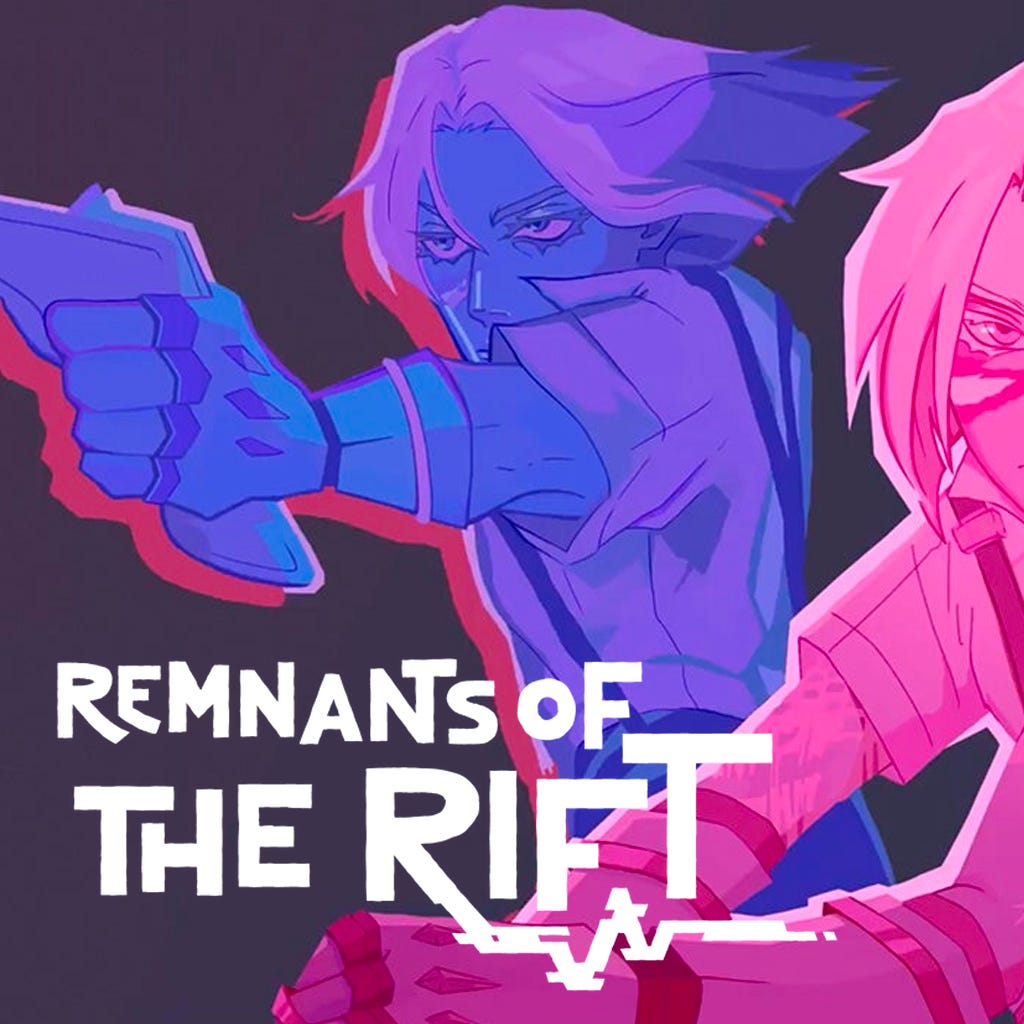
In a gaming landscape saturated with sprawling fantasy RPGs and narrative-driven action-adventures, Remnants of the Rift arrives with a quiet confidence, offering a tight, atmospheric, and subtly complex experience. Developed by Shadowspire Studios, this action-RPG blends strategic combat, environmental puzzles, and a story that slowly unfolds through exploration rather than exposition. It’s not flashy, and it doesn’t rely on spectacle. Instead, it leans on mood, challenge, and player discovery, rewarding patience and curiosity with an immersive journey into a fractured world.
Into the Rift
The premise of Remnants of the Rift is deceptively simple. You play as a Riftwalker, a lone adventurer tasked with exploring an ancient, fragmented realm threatened by interdimensional anomalies. The titular “Rift” serves as both setting and antagonist—a mysterious, ever-shifting force that warps reality, spawning dangerous creatures and environmental hazards that keep you on your toes. The story isn’t spoon-fed; instead, it is revealed through subtle environmental storytelling, cryptic journals, and occasional NPC encounters. The result is a world that feels lived-in, tragic, and slightly off-kilter, rewarding players who pay attention to the details rather than forcing exposition.
Gameplay and Mechanics
Combat in Remnants of the Rift is methodical and satisfying, blending real-time action with RPG depth. Players can wield a variety of melee weapons, ranged tools, and magical abilities, each with distinct advantages and limitations. Unlike many action RPGs that favor button-mashing, this game encourages observation, timing, and positioning. Enemies are clever, telegraphing attacks and exploiting mistakes. A reckless approach often results in death, but careful engagement leads to deeply rewarding encounters.
The Rift itself adds an additional layer of strategy. Environmental hazards—rifts, unstable platforms, shifting gravity, and time anomalies—affect combat and exploration alike. One moment, a corridor is navigable; the next, a sudden Rift surge alters its layout, forcing quick adaptation. Some enemies are intrinsically tied to these anomalies, requiring you to manipulate the environment or use Rift-based abilities to defeat them. This interplay between mechanics and setting keeps players constantly engaged, making each area feel distinct and unpredictable.
Players also unlock a suite of Rift powers over time. Early abilities focus on mobility, such as temporary phase-shifting or creating platforms from Rift energy. Later powers allow offensive manipulation, like distorting time to slow enemies or collapsing sections of the environment on adversaries. These abilities not only expand combat options but also enhance exploration, encouraging backtracking to previously inaccessible areas—a hallmark of Metroidvania-inspired design.
Exploration and Puzzle Design
Exploration is a central pillar of Remnants of the Rift. Each region is intricately designed, with branching paths, hidden lore, and secret challenges that reward careful observation. Environmental puzzles range from straightforward lever-based mechanisms to complex multi-step sequences involving Rift energy manipulation. These puzzles are cleverly integrated into the world, never feeling like arbitrary obstacles but rather extensions of the game’s mechanics and narrative logic.
The sense of discovery is heightened by the game’s world-building. Ruined temples, crumbling cities, and eerie forests are all connected by subtle visual cues that hint at hidden paths or secrets. Players who take the time to explore are rewarded with upgrades, lore fragments, and optional encounters that add depth without interrupting the main flow.
Visuals and Atmosphere
A significant strength of Remnants of the Rift lies in its aesthetic. The game uses a muted, atmospheric palette punctuated by the vibrant glow of Rift anomalies. Shadows and lighting are used masterfully to convey mood, danger, and narrative beats. Enemies and environmental hazards are visually distinct, allowing players to recognize threats and patterns quickly.
Character and enemy design is thoughtful, blending fantasy tropes with alien, Rift-influenced aesthetics. The creatures feel otherworldly yet grounded, reflecting the narrative tension between the familiar and the corrupted. Animation is fluid, especially in combat, giving attacks a sense of weight and impact. Environmental details, from crumbling architecture to shifting terrain, reinforce the game’s overarching theme of instability and decay.
Sound and Music
Complementing the visuals is a stellar audio design. Ambient soundscapes reinforce tension in exploration-heavy areas—howling winds through ruined towers, distorted echoes in Rift zones, and the subtle creaking of collapsing floors keep players alert. Combat is punctuated by impactful weapon sounds and satisfying auditory feedback for powers and enemy responses.
The soundtrack, composed by Liora Vance, oscillates between haunting, atmospheric tracks and high-energy combat themes. Music is reactive to both the environment and player action, enhancing immersion and emphasizing key moments without being intrusive. The audio design, coupled with environmental storytelling, makes exploration feel tense, meaningful, and occasionally unsettling.
Difficulty and Replay Value
Remnants of the Rift offers a balanced challenge. Combat is difficult enough to feel tense without being punishing, while puzzles and exploration require thought and attention. The game does not shy away from occasional trial-and-error sequences, but checkpoints are frequent and well-placed, reducing frustration. Optional side areas and hidden Rift chambers offer additional challenges for players seeking mastery or higher-level rewards.
Replay value is bolstered by multiple Rift power builds and combat styles. Players can prioritize ranged, melee, or Rift-manipulation approaches, significantly altering gameplay. Secret areas, hidden collectibles, and optional boss encounters encourage replay and experimentation.
Pros & Cons
Pros:
- Thoughtful combat system blending timing, positioning, and powers
- Deep exploration with rewarding environmental storytelling
- Clever integration of Rift mechanics into combat and puzzles
- Atmospheric visuals and immersive sound design
- Multiple combat and build options for replayability
Cons:
- Narrative delivery is minimal; may feel cryptic to some
- Occasional difficulty spikes in combat and puzzle sections
- Minor backtracking may feel tedious for players less interested in exploration
Verdict
Remnants of the Rift is a quietly ambitious action-RPG that balances challenge, exploration, and atmosphere with remarkable finesse. Its strength lies in its careful design: every combat encounter, puzzle, and environmental detail serves a purpose, making the world feel coherent and alive. While it may not appeal to players seeking flashy spectacle or overt storytelling, those who enjoy methodical combat, rewarding exploration, and subtle narrative depth will find themselves drawn in.
It’s a game that demands patience but rewards curiosity, skill, and perseverance. Shadowspire Studios has crafted an experience that lingers, a fractured world as compelling to navigate as it is dangerous. For fans of atmospheric, mechanically rich RPGs, Remnants of the Rift is a hidden gem worth discovering.
A tense, atmospheric, and mechanically polished action-RPG that rewards exploration and strategic combat. Thoughtful design and immersive world-building make it a standout in the genre.