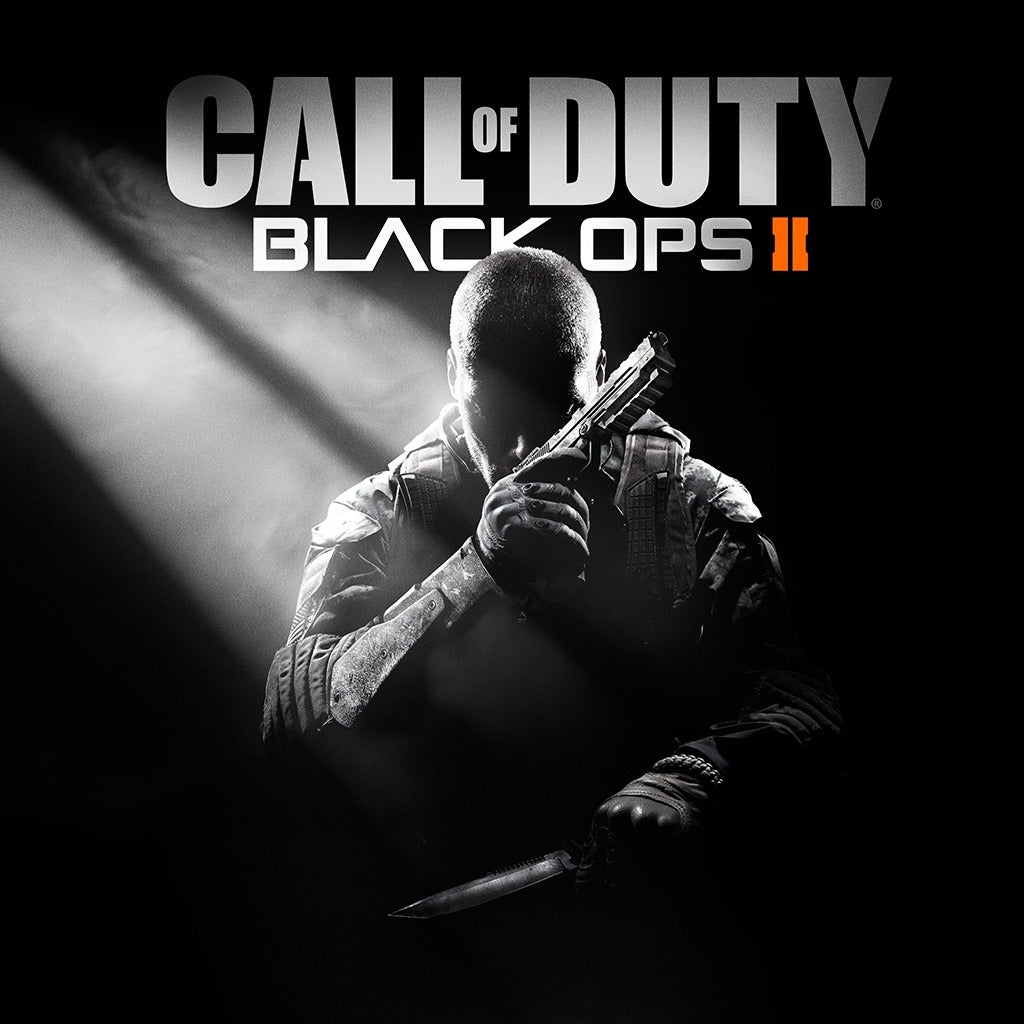
Some games are remembered for their success. Others are remembered for changing the direction of an entire genre. Call of Duty: Black Ops II comfortably sits in the second category. Released in 2012, Treyarch’s futuristic military shooter arrived at a time when annual Call of Duty releases risked becoming predictable. Instead of simply delivering another explosive campaign and another year of multiplayer maps, Black Ops II took bold creative risks that reshaped expectations for the franchise and first-person shooters as a whole.
Now available on PlayStation 4 and PlayStation 5 for the first time, this modern re-release offers a new generation the chance to experience what many still regard as the high point of Call of Duty’s golden era. While its visuals naturally reflect its age, the underlying design remains astonishingly fresh. More than a decade later, its campaign still surprises, its multiplayer remains brilliantly structured, and its Zombies mode continues to inspire countless imitators.
Some classics fade with time. Black Ops II feels as if it has simply been waiting for another chance to prove why it earned its legendary reputation.
A Campaign Built Around Consequences
One of Black Ops II’s greatest strengths is its willingness to do something different. Rather than telling another straightforward military story, Treyarch crafted a narrative spanning two generations, following both Alex Mason during the Cold War and his son David Mason decades later in a world transformed by advanced technology and political instability.
The transitions between past and future are handled beautifully. Events from the 1980s directly influence the conflicts of 2025, giving every flashback genuine narrative weight rather than feeling like simple nostalgia. Watching the story gradually connect both timelines creates a rewarding sense of momentum that few shooters have since managed to replicate.
What truly elevates the campaign, however, is player choice. Key decisions alter relationships, determine who survives, and even influence the game’s ending. Characters can live or die based entirely on your actions, while optional Strike Force missions carry consequences that ripple through the wider conflict. These branching paths encourage repeat playthroughs because the story never feels entirely fixed.
Raul Menendez deserves enormous credit for making the campaign so memorable. Rather than presenting another one-dimensional villain bent on world domination, Treyarch created a character driven by genuine pain, anger and ideology. Menendez believes he is fighting for justice, even if his methods are horrifying. That complexity makes him one of the finest antagonists the Call of Duty series has produced.
Gunplay That Still Feels Exceptional
Even after all these years, Black Ops II remains an absolute joy to play. Movement feels responsive, aiming is crisp, and every weapon delivers satisfying impact. The futuristic setting introduces imaginative gadgets and experimental technology without sacrificing the grounded handling that defined earlier entries.
Campaign loadout customisation was another welcome innovation. Before missions, players can tailor their equipment with multiplayer-style perks, attachments and weapons, offering greater flexibility than in previous Call of Duty campaigns. Whether you favour stealthier approaches or overwhelming firepower, the game accommodates different playstyles.
Mission variety also deserves praise. One moment you are guiding drones through hostile airspace, and the next you are fighting through dense urban environments or infiltrating heavily fortified compounds. Every level introduces fresh mechanics without overstaying its welcome, keeping the pace such that boredom rarely sets in.
Even today, the campaign feels remarkably modern because it consistently trusts players with meaningful decisions rather than relying solely on spectacle.
Multiplayer That Set the Standard
If the campaign pushed storytelling forward, multiplayer revolutionised class creation. The introduction of the Pick 10 system fundamentally changed how players approached loadouts. Rather than rigid class templates, every weapon, attachment, grenade and perk took up a single point. This simple idea unlocked enormous creative freedom, encouraging experimentation and rewarding individual playstyles.
Want to sacrifice equipment for extra perks? You could. Prefer loading one weapon with multiple attachments instead of carrying a secondary firearm? That was equally possible. The system felt elegant because every decision involved genuine trade-offs without overwhelming newcomers.
Map design reached an equally impressive standard. Raid, Standoff, Slums, Express and Hijacked remain among the finest competitive arenas ever created. Their clean layouts encouraged movement while providing enough verticality and flanking routes to reward intelligent positioning. Matches rarely felt unfair, as victories usually came down to teamwork and awareness rather than map imbalance.
Even revisiting these maps today highlights how carefully they were constructed. Many modern shooters continue to chase the balance Treyarch achieved over a decade ago.
Zombies Evolves Into Something Bigger
By 2012, Zombies had already become a beloved side mode, but Black Ops II transformed it into something far more ambitious. At launch, TranZit divided opinion with its sprawling map, fog-covered wasteland and infamous bus transport system. While some players appreciated its experimentation, others found it overly complicated. Fortunately, Treyarch refused to stand still.
The downloadable expansions elevated Zombies to extraordinary heights. Mob of the Dead offered a haunting escape story set in Alcatraz Prison, blending supernatural horror with an unforgettable atmosphere. Origins expanded the mythology further, introducing giant mechanical soldiers, elemental staffs and elaborate Easter egg quests that demanded teamwork and dedication.
These maps became more than survival challenges. They evolved into intricate adventures filled with secrets, puzzles and storytelling that rewarded committed players. Many of today’s cooperative survival games still borrow ideas first popularised by Black Ops II’s Zombies experience.
A Future That Surprisingly Came True
One fascinating aspect of revisiting Black Ops II today is how accurately it predicted certain technological trends. Back in 2012, autonomous drones, cyber warfare, facial recognition systems and advanced battlefield robotics felt like ambitious science fiction. Today, many of those concepts no longer seem particularly far-fetched. While the game certainly exaggerates for dramatic effect, its vision of near-future conflict feels remarkably believable compared with other futuristic shooters released at the time.
This grounded approach helps the world remain immersive. Advanced weapons exist, but they rarely feel out of place. Technology enhances combat without completely replacing traditional firefights, preserving the tactical identity fans expect from the franchise.
Showing Its Age Gracefully
No game released in 2012 can escape the passage of time, and Black Ops II certainly shows its age. Character models lack the facial detail found in modern releases, environmental textures occasionally appear flat, and animations can feel somewhat rigid during quieter conversations. Compared directly with today’s visual showcases, the presentation naturally looks dated.
Fortunately, excellent art direction helps mitigate those limitations. Lighting remains effective, environments are varied, and weapon audio continues to impress. More importantly, smooth performance on modern PlayStation hardware allows the fast-paced gunplay to shine exactly as it always should.
The only lingering concern is online play. Depending on the platform and region, players may occasionally encounter smaller player bases or legacy matchmaking quirks. Thankfully, the campaign and Zombies modes remain exceptional regardless of multiplayer activity.
The Verdict
Call of Duty: Black Ops II is everything a sequel should aspire to be. Rather than repeating familiar ideas, Treyarch expanded nearly every aspect of the franchise with confidence and creativity. The branching campaign still feels refreshingly ambitious, multiplayer remains one of the finest competitive experiences Call of Duty has ever offered, and Zombies matured into one of gaming’s greatest co-operative modes.
More importantly, Black Ops II recognised that innovation does not always require reinventing the wheel. Instead, it refined existing ideas and introduced meaningful improvements that genuinely respected players’ intelligence. Every mode feels carefully crafted, every system serves a purpose, and every mission demonstrates remarkable pacing.
Years later, countless Call of Duty titles have come and gone, yet Black Ops II still stands proudly among the very best. Whether you are returning after years away or discovering it for the first time on PlayStation, it remains an unforgettable shooter that has earned every ounce of its legendary reputation.