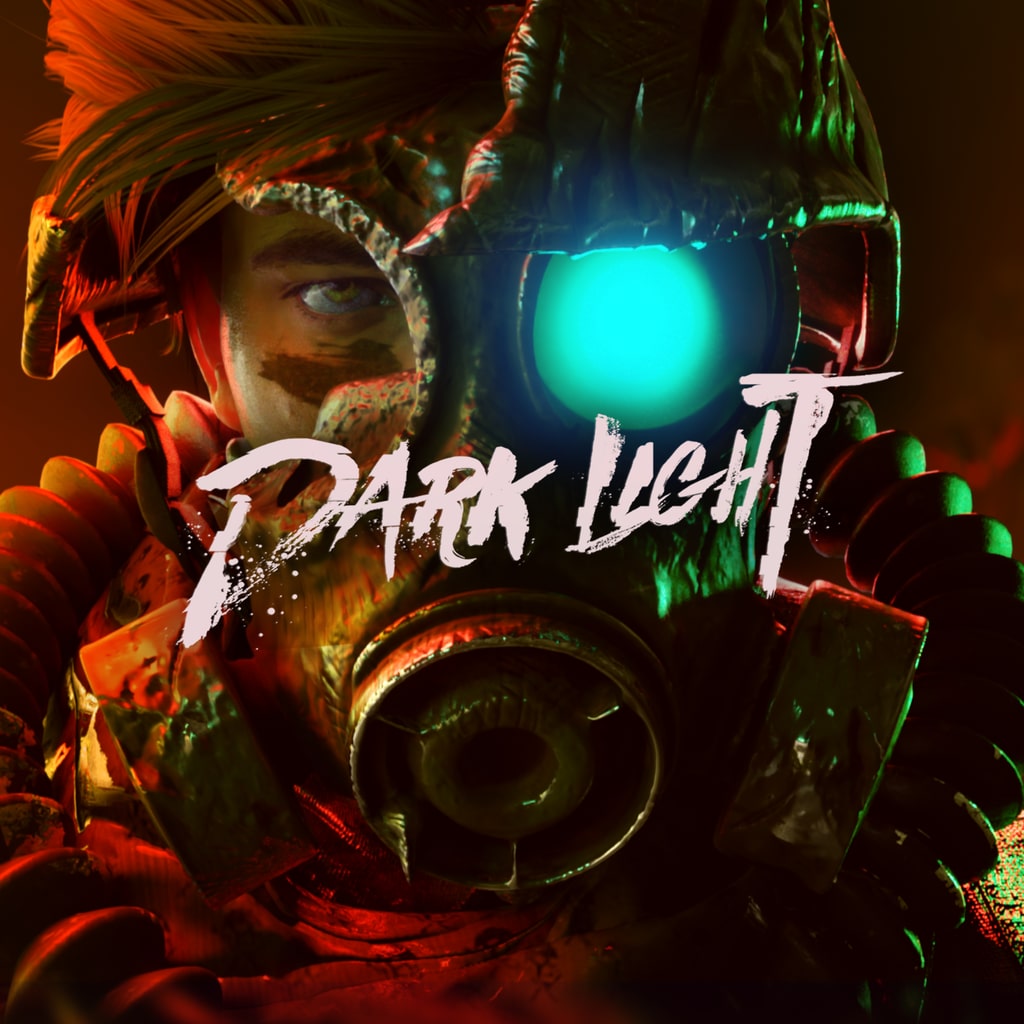
Developed and published by Mirari & Co., Dark Light launched on PC before expanding to consoles in 2026, including the Nintendo Switch, PlayStation 5, and Xbox Series X|S. It occupies a familiar yet demanding space: a post-apocalyptic action-platformer built on Metroidvania exploration and Soulslike combat.
You play as one of the last remaining Dark Hunters, elite warriors tasked with sealing the Dark Void, a corrupting force that has plunged the world into perpetual night. Humanity is fractured, the surface is unrecognisable, and everything that moves in the dark seems intent on killing you.
The world is split into distinct biomes, each warped by the Void’s influence, and progression is tightly tied to exploration, ability unlocks, and revisiting earlier areas with new tools. This structure will feel familiar to genre veterans, but Dark Light is more interested in atmosphere and pressure than comfort.
Gameplay
At its core, Dark Light is built on a simple promise: survive the darkness, or be consumed by it. Combat is fast, weighty, and deliberately unforgiving. Every encounter carries risk, and stamina management is not optional but essential. You cannot simply mash your way through enemies. Timing and spacing matter, and overconfidence is usually punished in the most efficient way possible.
The game leans heavily into Soulslike design philosophy, particularly in its boss encounters. These fights are not just mechanical challenges but endurance tests. Patterns must be learned, mistakes absorbed, and victory often comes after several brutal attempts rather than a single clean run.
Exploration, meanwhile, follows a classic Metroidvania structure. New abilities gradually open previously inaccessible areas, encouraging backtracking that feels purposeful rather than repetitive. The map design is layered and interconnected, though not always generous with guidance. At times, progression can feel intentionally obscured, which will appeal to some players and frustrate others in equal measure.
One of the more distinctive systems is the cyberware augmentation layer. As a Dark Hunter, you can modify your capabilities with enhancements that subtly or significantly alter your playstyle. Some upgrades improve survivability, others focus on aggression or mobility, and the best builds often emerge from experimentation rather than strict optimisation.
Enemies drop energy shards, which function as both currency and progression fuel. This creates a constant risk-reward loop where pushing deeper into dangerous territory offers greater returns, but death can wipe out hard-earned progress if you are not careful.
World and Atmosphere
Where Dark Light truly distinguishes itself from similar genre entries is in its atmosphere. The world is not merely dark in tone; it is structurally dark. Visibility is limited, environmental storytelling is subtle, and the sense of isolation is constant.
There is a persistent feeling that the world exists just beyond your comprehension, and that you are only ever seeing fragments of something much larger and more hostile. Creatures born from the Dark Void do not feel like standard enemies. They feel like intrusions, as though reality itself has been contaminated.
The game’s visual flexibility is also worth noting. Players can switch between a modern cinematic presentation and a retro pixel mode. This is not merely a cosmetic gimmick. It changes the emotional texture of exploration. The cinematic mode heightens dread and immersion, while the pixel mode slightly abstracts the horror, making the experience feel more like a classic, almost archival version of the same nightmare.
This duality gives Dark Light an unusual identity. It is both modern and nostalgic, polished and rough, depending on how you choose to experience it.
Presentation and Design Issues
For all its atmospheric strengths, Dark Light is not without friction. The UI can become cluttered, particularly during combat encounters, where multiple effects, damage indicators and environmental cues compete for attention. At its worst, readability suffers and important information gets lost in the chaos of movement and effects.
Navigation is another area where the game occasionally stumbles. While Metroidvanias are expected to challenge player direction, Dark Light sometimes leans too heavily into obscurity. It is not always clear where you are meant to go next, and while exploration is part of the appeal, there are moments when ambiguity feels less intentional and more obstructive.
There is also unevenness in pacing. Some areas are tightly designed and memorable, while others feel more functional than inspired, serving as connective tissue between stronger segments.
Critical Analysis
Despite these issues, Dark Light succeeds in creating a cohesive experience centred on tension and discovery. Its combat system is responsive and satisfying once mastered, and its progression systems reward patience and adaptability.
What elevates it above many similar titles is its commitment to tone. It does not soften its world for accessibility. It expects players to adapt, learn through failure, and accept discomfort as part of the journey.
The ability to tailor the visual presentation is more than a stylistic flourish. It reflects the game’s broader philosophy: that experience is not fixed and that perspective changes everything.
There is confidence in how Dark Light presents itself, even when its systems falter. It knows exactly what it wants to be and rarely compromises on that vision.
Final Verdict
Dark Light is no gentle introduction to Metroidvania or Soulslike design. It is dense, punishing at times, and occasionally opaque, testing patience. Yet beneath that severity lies a carefully constructed world that rewards persistence with atmosphere, discovery, and hard-won mastery.
It is at its best when you stop expecting clarity and start embracing uncertainty, when the darkness feels less like an obstacle and more like a language you are slowly learning to read.
For players willing to sit with its rough edges, Dark Light offers a rewarding, atmospheric descent into a world that refuses to make itself easy to understand.