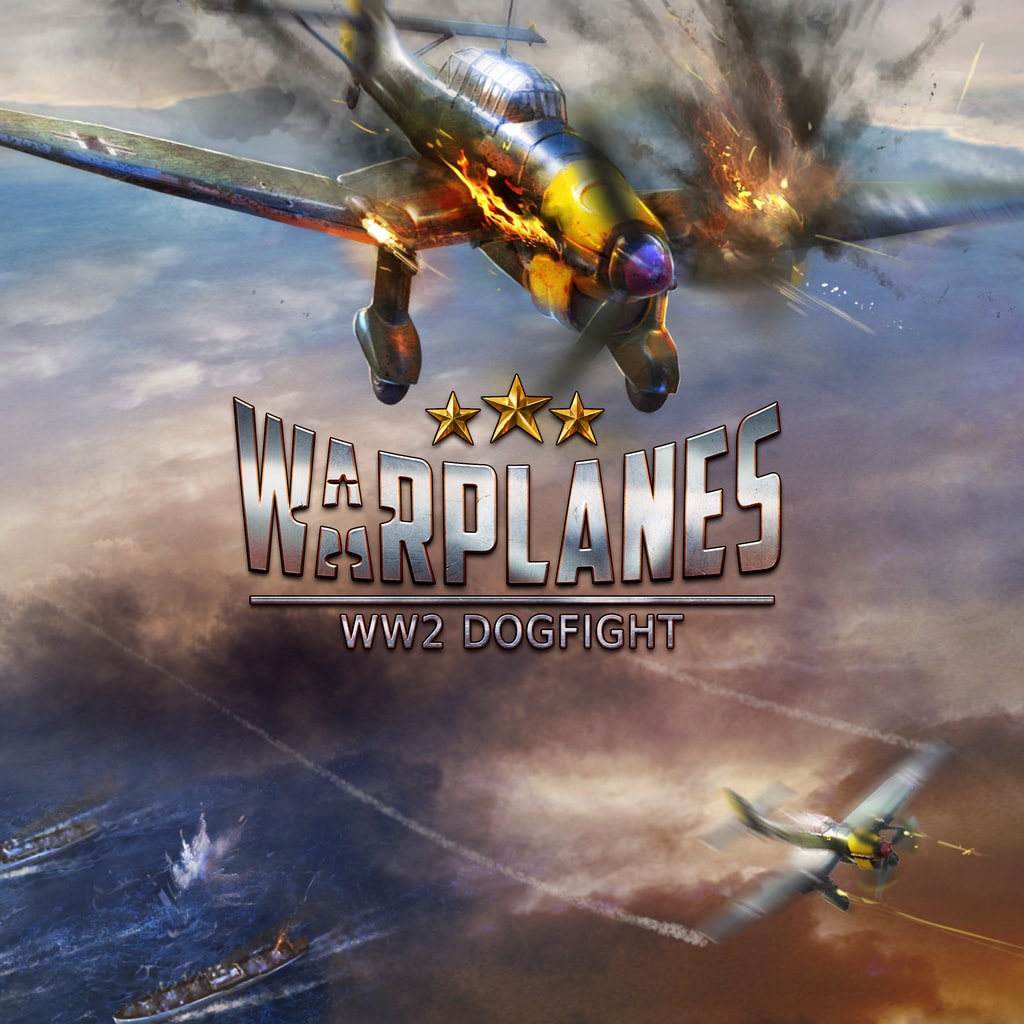
Flight combat games occupy a strange niche in modern gaming. At one extreme lies hyper-realistic simulation software that demands encyclopaedic aviation knowledge; at the other, arcade shooters that treat aircraft like airborne sports cars. Warplanes: WW2 Dogfight, newly launched on PlayStation 5, lands squarely in the middle — and that balance becomes its greatest strength.
Originally released years earlier on other platforms, this PS5 debut brings an accessible WWII aerial combat experience to a new console audience. Developed by Home Net Games and published by 7Levels, Warplanes: WW2 Dogfight blends fast-paced dogfighting with surprisingly deep squadron management mechanics, creating a game that feels both immediately playable and strategically engaging.
It may not chase blockbuster realism, but it understands something equally important: flying should feel fun.
History Through the Cockpit
The game places players in the role of both pilot and squadron leader during World War II, spanning campaigns across three major factions:
- Royal Air Force (Great Britain)
- Luftwaffe (Germany)
- Soviet Air Forces (USSR)
Rather than a heavily scripted narrative, the campaigns present a series of operational missions inspired by historical conflicts across Europe, Africa, and Asia. Objectives range from bomber escorts and aerial interceptions to ground attacks on convoys and naval targets.
The structure mirrors classic mission-based flight games from the early 2000s. Briefings provide context, missions deliver action, and progression unlocks new aircraft and upgrades.
While storytelling remains minimal, immersion comes through atmosphere — radio chatter in multiple languages, shifting skies, and large-scale air engagements that capture the chaos of wartime aviation.
Accessible Flight That Still Feels Authentic
The defining philosophy of Warplanes: WW2 Dogfight is accessibility.
Controls are intentionally intuitive. Takeoff is simplified, manoeuvring is responsive, and combat is immediately understandable, even for players unfamiliar with flight simulators. Within minutes, players can loop, dive, and engage enemies confidently.
Yet beneath this arcade-friendly surface lies a layer of believable flight behaviour. Aircraft feel distinct:
- Fighters turn quickly but struggle with sustained damage.
- Bombers feel heavy and vulnerable.
- Ground-attack aircraft require careful positioning.
Energy management — maintaining speed and altitude — subtly influences dogfights without overwhelming players with technical realism.
This hybrid approach makes the game welcoming without feeling shallow.
Dogfights That Deliver Immediate Thrills
Combat is where the game truly shines.
Enemy squadrons fill the skies, tracer rounds streak past your cockpit, and engagements often evolve into chaotic aerial dances. Missions rarely feel static; AI pilots reposition, pursue targets dynamically, and create moments of unscripted tension.
Dogfights emphasise situational awareness:
- Tail enemies to line up shots.
- Break pursuit with evasive manoeuvres.
- Use altitude advantages strategically.
Weapon feedback feels satisfying, particularly when sustained hits send enemy planes spiralling downward.
While realism purists may find the physics forgiving, the pacing remains consistently exciting — an intentional design choice that keeps missions engaging across long play sessions.
More Than Just Flying: Squadron Management
What sets Warplanes: WW2 Dogfight apart from many arcade flight games is its surprisingly robust management layer.
Between missions, players oversee a growing airbase, where they can:
- Recruit pilots
- Train squad members
- Purchase aircraft
- Construct facilities like hangars and workshops
- Upgrade defences and production capabilities
Pilots develop skills over time, fostering attachment and strategic decision-making. Losing a trained pilot carries emotional and tactical consequences, encouraging thoughtful mission planning.
This system offers meaningful progression beyond simply unlocking planes. You’re not just flying missions — you’re building a functioning wartime squadron.
It’s a clever addition that adds longevity without overwhelming complexity.
Aircraft Variety and Historical Appeal
The game features over 30 iconic WWII aircraft, including legendary machines such as:
- Supermarine Spitfire
- Hawker Hurricane
- Lancaster bomber
- IL-2 Shturmovik
- Ju-87 Stuka
- Fw 200 Condor
Each aircraft has distinct handling characteristics and combat roles, encouraging experimentation.
While the customization options remain relatively simple compared with hardcore simulators, the variety keeps progression rewarding.
History enthusiasts will appreciate recognisable designs, even if the simulation prioritises playability over strict realism.
Presentation on PlayStation 5
Visually, Warplanes: WW2 Dogfight sits comfortably in mid-budget territory.
Aircraft models are detailed enough to feel authentic, environments are expansive, and skyboxes effectively capture the scale of aerial warfare. Explosions and smoke effects add spectacle without compromising performance.
The PS5 version runs smoothly with stable frame pacing, ensuring dogfights remain responsive even during crowded engagements.
Audio design contributes strongly to immersion. Engine roars shift with throttle intensity, radio chatter reinforces battlefield chaos, and weapon effects deliver a satisfying punch.
While not visually groundbreaking, the presentation succeeds where it matters — in clarity and atmosphere.
Where the Wings Falter
Despite its strengths, the game shows its age and budget limitations in several areas.
Mission variety eventually blurs together. Objectives repeat frequently, and while environmental diversity is geographically broad, it lacks distinct gameplay changes.
Enemy AI can be predictable, particularly during longer engagements. Additionally, menus and interface design feel functional rather than polished.
Players expecting cinematic storytelling or deep simulation mechanics may also find the experience lighter than anticipated.
Still, these shortcomings rarely derail the core fun of flying.
A Perfect Fit for Solo Players
Notably, Warplanes: WW2 Dogfight focuses exclusively on single-player content.
In an era dominated by multiplayer shooters, this design choice feels refreshing. The absence of competitive modes keeps progression relaxed and self-paced.
It’s a game built for personal campaigns rather than online competition — a rarity that will strongly appeal to players seeking solo experiences.
Pros & Cons
Pros
- Accessible yet satisfying flight combat
- Strong sense of aerial action and pacing
- Deep squadron and base management systems
- Large roster of iconic WWII aircraft
- Smooth PS5 performance
- Excellent single-player focus
Cons
- Mission objectives become repetitive
- Limited visual variety over time
- AI inconsistencies in longer battles
- Presentation lacks AAA polish
Final Verdict
Warplanes: WW2 Dogfight succeeds by embracing its identity as an arcade-leaning flight combat game with strategic depth rather than chasing ultra-realistic simulation.
Its blend of fast dogfights and squadron management creates a compelling gameplay loop that remains engaging long after the first takeoff. While repetition and modest production values prevent it from reaching genre-defining heights, the experience consistently delivers what matters most: the thrill of aerial combat.
For players nostalgic for classic flight action games — or newcomers intimidated by hardcore simulators — this PS5 release offers an inviting, enjoyable way to take to the skies.
Sometimes realism isn’t about complexity.
Sometimes it’s about capturing the feeling of flight.