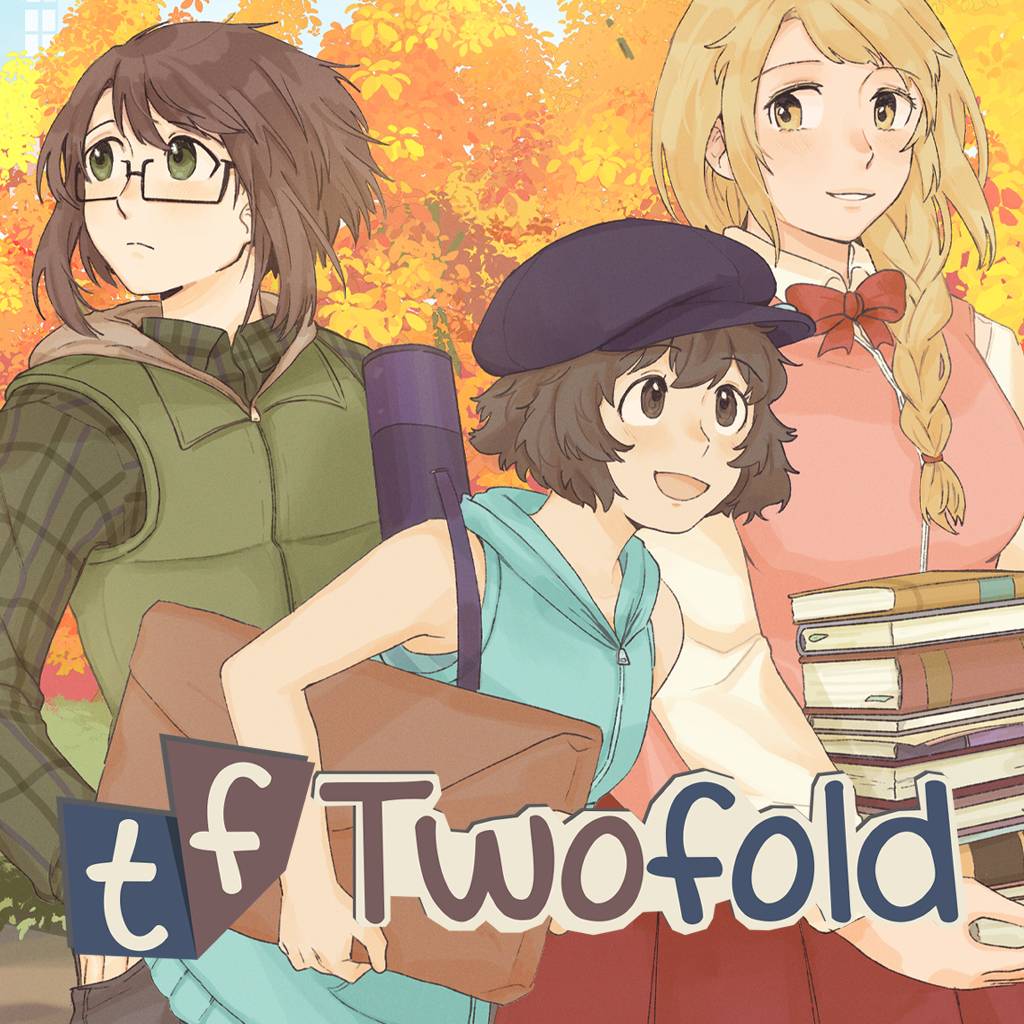
Visual novels often rely on dramatic twists or larger-than-life scenarios to keep players invested, but Twofold: The Perfect Circle Collection proves that ordinary lives can be just as compelling. By bringing together Twofold: First Snow and Twofold, this collection delivers a complete journey through friendship, identity, love, anxiety, and the uncertainty of early adulthood. Rather than relying on shocking revelations, it earns every emotional moment through careful character development and believable relationships.
From the opening moments, it’s clear this isn’t interested in rushing players from one major event to the next. Instead, it invites you to spend time with its cast, listening to conversations that feel natural, awkward, funny, and occasionally heartbreaking. These characters aren’t heroes trying to save the world. They’re students trying to understand themselves, survive university life, and find a place where they truly belong. That grounded approach gives the entire experience an authenticity that many narrative games struggle to capture.
Two Stories That Complete One Another
The inclusion of both games transforms this from a simple visual novel into something much richer. Twofold: First, Snow introduces Allison Merlo as she leaves home for university, uncertain of her future and quietly overwhelmed by the transition into adulthood. Watching her slowly emerge from isolation through her growing friendship with Eileen feels genuine because neither character changes overnight. Their relationship develops through countless small conversations and shared experiences that gradually build trust.
The sequel shifts focus to Olive Penn, whose academic struggles threaten to derail their future. While Allison’s story explores finding direction, Olive’s journey examines pressure, burnout, and the fear of disappointing both yourself and those around you. Their situation immediately feels relatable, especially for anyone who has ever questioned whether they were capable of meeting expectations.
Because you’ve already experienced the earlier story, returning to the same world carries surprising emotional weight. Familiar faces have grown, relationships have changed, and the passage of time feels meaningful rather than cosmetic. Few visual novel collections manage to make separate entries feel this interconnected.
Characters That Carry Every Scene
The greatest strength of Twofold has always been its cast. Every major character has strengths, flaws, insecurities, and motivations that feel refreshingly human. Nobody exists simply to fill a familiar archetype. Even characters who initially appear one-dimensional gradually reveal hidden depths as conversations continue.
Olive quickly becomes an engaging protagonist because they aren’t always confident or likeable. They overthink situations, misread people, and occasionally push others away. Those imperfections make them believable, and seeing their outlook gradually evolve is immensely satisfying.
Caprice and Millie offer two very different emotional paths, yet neither feels like the obvious “correct” choice. Both women have understandable reasons for their conflict, allowing players to sympathise with each perspective rather than reducing one side to a villain. Meanwhile, supporting characters receive enough attention for the wider campus to feel like a genuine community rather than a collection of background NPCs.
The dialogue deserves particular praise. Conversations rarely sound scripted or exaggerated. Instead, they capture the hesitations, awkward silences, humour, and emotional vulnerability that define real friendships. It’s writing that trusts players to understand subtle emotions without constantly spelling everything out.
Choices That Matter Emotionally
Unlike visual novels where branching paths simply unlock different romances, Twofold uses player choice to shape emotional outcomes. Decisions influence friendships, loyalties, and personal growth in ways that feel organic rather than mechanical. You’re rarely choosing between clearly good or bad responses. Instead, you’re navigating difficult conversations in which every option carries consequences.
This creates genuine tension because there isn’t always an ideal answer. Supporting one person may unintentionally hurt another, and maintaining every relationship becomes almost impossible. These difficult choices reinforce the game’s central themes of growing up, accepting responsibility, and recognising that relationships require compromise.
Replayability benefits greatly from this structure. Exploring different routes reveals fresh perspectives on familiar events and deepens your understanding of every character involved. Rather than simply offering alternate endings, each playthrough expands your appreciation of the wider narrative.
Presentation Full of Warmth
Visually, Twofold favours expressive character artwork over flashy spectacle. The illustrations capture subtle facial expressions with remarkable precision, allowing small emotional shifts to carry enormous impact. A slight smile or a hesitant glance often communicates more than pages of dialogue ever could.
Backgrounds create a comforting university atmosphere, filled with classrooms, studios, cafés, libraries, and outdoor spaces that feel lived-in. They aren’t overloaded with unnecessary detail, yet they provide enough personality to establish a convincing sense of place.
The soundtrack quietly supports every emotional beat without demanding attention. Gentle piano melodies, soft acoustic arrangements, and reflective ambient tracks complement the slower pacing. Moments of silence are also used effectively, allowing difficult conversations to breathe naturally rather than forcing constant musical accompaniment.
The collection’s production values consistently impress. Character sprites remain expressive throughout lengthy conversations, while menus are clean, intuitive, and easy to navigate. Everything feels polished, allowing players to focus entirely on the story.
Pacing That Rewards Patience
Twofold isn’t designed for players seeking constant excitement. Large portions of the game consist of conversations, quiet introspection, and everyday interactions. That slower approach won’t appeal to everyone, particularly those expecting dramatic twists every hour.
However, the deliberate pacing serves an important purpose. By spending so much time with its characters, the emotional payoffs feel earned rather than manufactured. When friendships fracture or relationships deepen, those moments resonate because you’ve experienced the gradual journey that leads there.
There are occasions when internal monologues linger slightly longer than necessary, and a handful of scenes could benefit from tighter editing. Even so, these slower moments rarely feel wasteful because they continue to build character psychology and thematic depth.
A Complete Collection Worth Experiencing
As a package, The Perfect Circle Collection offers excellent value. Experiencing both stories together delivers a far more satisfying journey than either title could on its own. Watching characters grow over multiple years gives the narrative remarkable cohesion and emotional consistency.
For newcomers, this is unquestionably the best way to experience the series. Veterans who previously played only one entry will also appreciate finally seeing the broader picture unfold. The collection successfully transforms two excellent visual novels into a single cohesive coming-of-age experience.
Its themes of identity, belonging, friendship, mental health, academic pressure, and personal growth feel especially relevant today. More importantly, it explores those subjects with compassion rather than melodrama. That sincerity allows the story to leave a lasting emotional impression long after the credits roll.
Final Verdict
Twofold: The Perfect Circle Collection shows that compelling storytelling doesn’t require world-ending stakes or explosive action sequences. Sometimes the most memorable journeys come from watching ordinary people navigate the messy realities of growing up, making mistakes, and discovering who they want to become. Every conversation, every difficult decision, and every quiet moment contributes to an experience that feels deeply personal.
Its measured pacing and dialogue-heavy structure may not suit every player, but those willing to immerse themselves in its world will find one of the most heartfelt visual novel collections available. The writing is consistently strong, the characters remain unforgettable, and the emotional honesty shines through from beginning to end. This is a story that lingers in your thoughts long after you’ve put the controller down.