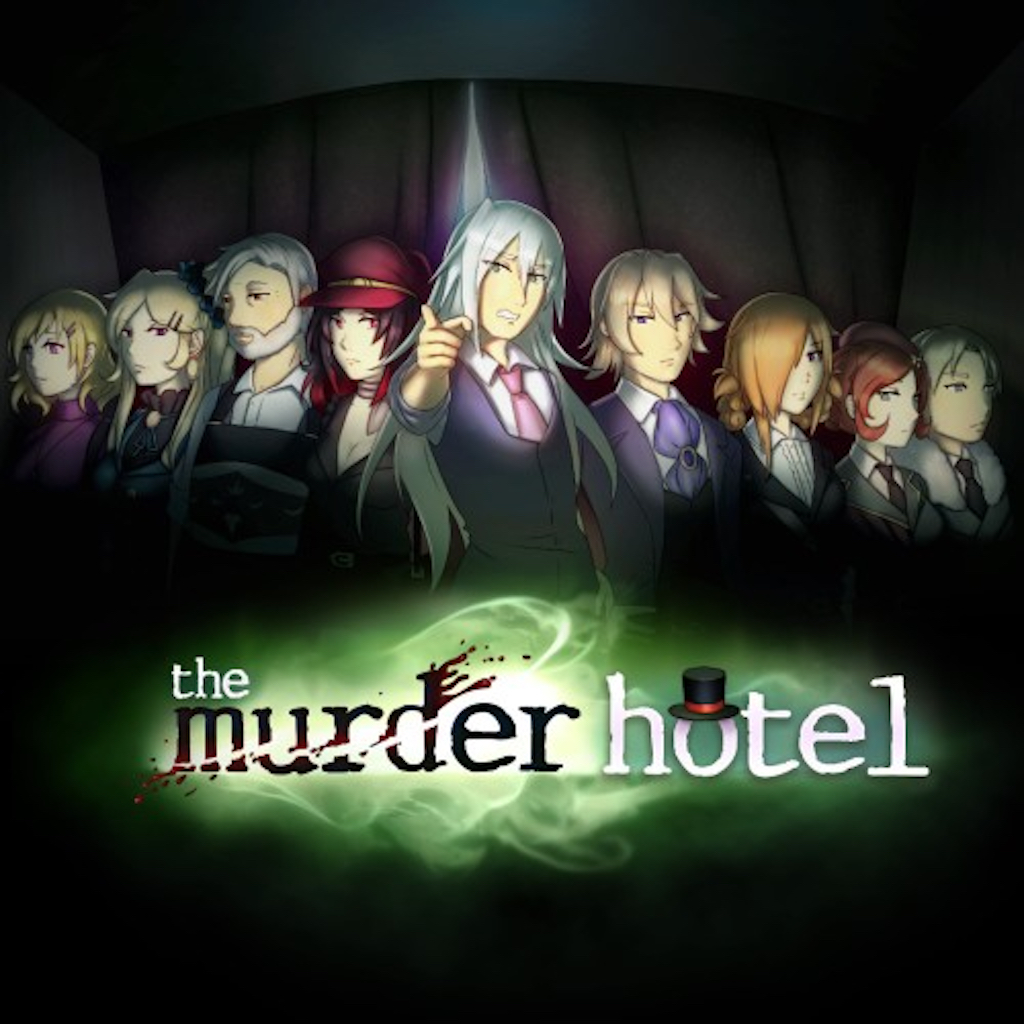
Some games rely on spectacle to create tension. Others use complex mechanics, elaborate combat systems, or shocking twists to keep players on edge. The Murder Hotel takes a different approach, opting instead for slow-burn psychological unease, environmental storytelling, and a sense of dread that creeps in quietly and refuses to leave. It’s a game that understands that fear is often most effective when it’s implied rather than shown, and while it doesn’t always hit every note perfectly, it delivers an experience that lingers long after the final door has been opened.
At its core, The Murder Hotel is a narrative-driven horror adventure that blends exploration, puzzle-solving, and storytelling into a deliberately unsettling package. It’s not a game designed for jump-scare addicts or action-horror fans; rather, it caters to players who enjoy atmosphere, mystery, and the uncomfortable sensation of being watched — even when nothing appears to be happening.
Setting the Scene: A Hotel with a Past
The game’s primary location is exactly what the title promises: a hotel steeped in violence, secrets, and unanswered questions. From the moment you step inside, the building itself becomes the central character. Long, dimly lit corridors stretch endlessly, rooms are filled with personal effects that hint at tragic stories, and the overall layout feels intentionally disorienting.
You play as an unnamed protagonist drawn to the hotel by a vague but compelling reason — one that slowly becomes clearer as the narrative unfolds. Rather than delivering exposition through lengthy cutscenes, The Murder Hotel relies heavily on environmental clues: blood-stained carpets, torn photographs, scribbled notes, and abandoned belongings all contribute to a sense of unease.
The hotel’s design is one of the game’s greatest strengths. Each floor feels distinct yet thematically cohesive, reinforcing the idea that this place has evolved over time, shaped by the people who passed through it — and those who never left. Exploration is encouraged, but it never feels safe. Even familiar spaces become threatening as lighting shifts or subtle changes occur when you return to them.
Narrative: Fragmented, Disturbing, and Engaging
The story in The Murder Hotel is deliberately fragmented. You’re never given a complete picture upfront, and much of the narrative must be pieced together through observation and inference. This approach won’t appeal to everyone, but for players willing to engage with the material, it creates a deeply immersive experience.
Themes of guilt, voyeurism, obsession, and moral decay run through the game, often expressed indirectly rather than spelled out. The writing avoids melodrama, instead favouring ambiguity and restraint. When the game does reveal key story beats, they land with impact precisely because so much has been left unsaid.
However, this narrative style does have its drawbacks. Some players may find the lack of clarity frustrating, particularly if they prefer more direct storytelling. A few story threads feel intentionally unresolved, which can either be interpreted as clever restraint or missed opportunity, depending on personal taste. The game trusts the player to connect the dots — and not everyone will appreciate that level of narrative responsibility.
Gameplay and Puzzles: Purposeful but Uneven
Gameplay in The Murder Hotel focuses primarily on exploration and puzzle-solving. There is no traditional combat system; instead, tension is maintained through vulnerability and limited control. You interact with objects, collect items, solve environmental puzzles, and gradually unlock new areas of the hotel.
Most puzzles are logical and thematically appropriate, requiring careful observation rather than brute-force trial and error. Many are tied directly to the hotel’s history, reinforcing the narrative through mechanics. Solving a puzzle often feels like uncovering a secret rather than ticking off a checklist.
That said, not every puzzle lands equally well. A handful suffer from unclear objectives or insufficient visual cues, leading to moments of frustration that momentarily break immersion. In a game that relies so heavily on atmosphere, these hiccups can feel more pronounced than they might in a more mechanically driven experience.
Movement and controls are intentionally deliberate, reinforcing the sense of unease. While this design choice supports the game’s tone, it can occasionally feel sluggish, particularly when backtracking through large sections of the hotel.
Atmosphere and Audio Design: The True Horror
Where The Murder Hotel truly excels is in its atmosphere. The game’s sound design is exceptional, using silence as effectively as noise. Floorboards creak, distant footsteps echo without explanation, and subtle ambient sounds create a constant sense of tension. Music is used sparingly, often giving way to unsettling environmental audio that keeps players on edge.
Visually, the game favours muted colours, heavy shadows, and claustrophobic spaces. Lighting plays a crucial role, with flickering bulbs and limited visibility heightening anxiety. The hotel never feels like a safe space, even when nothing overtly threatening is happening.
Importantly, the game resists the urge to rely on cheap jump scares. When frightening moments occur, they’re usually the result of anticipation rather than surprise. This restraint makes the horror feel more mature and psychological, though it may disappoint players seeking more immediate thrills.
Pacing and Structure: Slow, Intentional, and Divisive
The pacing of The Murder Hotel is deliberately slow. Progression is methodical, encouraging players to absorb their surroundings rather than rush from objective to objective. For fans of atmospheric horror, this pacing is a strength, allowing tension to build naturally over time.
However, this approach may test the patience of players accustomed to faster-paced experiences. There are stretches where little appears to happen mechanically, and the game relies entirely on mood to sustain interest. While these moments contribute to immersion, they risk losing players who prefer more constant engagement.
The game’s length is modest, but it feels appropriately paced for its narrative ambitions. It doesn’t overstay its welcome, even if some sections feel drawn out.
Accessibility and Audience
The Murder Hotel is clearly aimed at a niche audience. Players who enjoy psychological horror, environmental storytelling, and ambiguous narratives will find much to appreciate. Those looking for action, combat, or traditional horror thrills may find the experience underwhelming.
The game offers limited accessibility options, which may be a concern for some players. More adjustable settings for difficulty, movement speed, or puzzle hints could have broadened its appeal without compromising its vision.
Final Verdict
The Murder Hotel is an atmospheric, unsettling horror experience that prioritises mood, narrative subtlety, and psychological tension over spectacle. Its strongest moments come from quiet exploration and environmental storytelling, creating a sense of dread that feels earned rather than manufactured.
While uneven puzzles, deliberate pacing, and a fragmented narrative may alienate some players, those willing to engage on the game’s terms will find a haunting and memorable experience. It’s not a horror game for everyone — but for the right audience, it’s deeply effective.