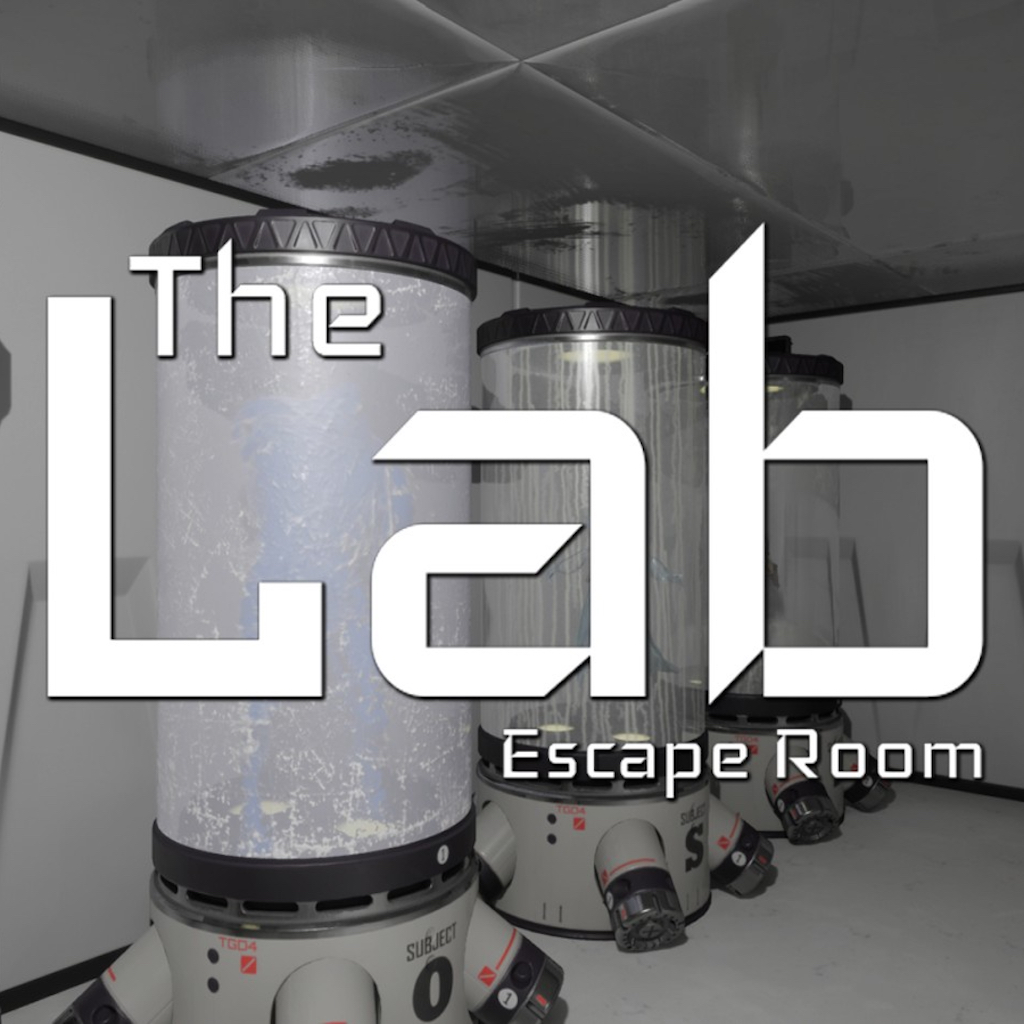
Escape room games have surged in popularity over the past decade, not just as physical attractions but as digital experiences that challenge logic, observation, and ingenuity. The Lab – Escape Room enters this vibrant genre with a deceptively simple premise: players are trapped in a mysterious laboratory and must solve a series of interconnected puzzles to escape. It is a game that wears its influences proudly — part adventure, part mystery, and part cerebral endurance test — and while it doesn’t revolutionise the genre, it does deliver one of the more satisfying and balanced escape room experiences in recent memory.
With a strong emphasis on atmosphere, puzzle design, and environmental storytelling, The Lab – Escape Room is at its best when it trusts the player’s curiosity and rewards careful observation. However, like any game in this crowd, it also grapples with pacing, difficulty spikes, and pacing that may not resonate with every player.
Getting Inside the Game: Initial Impressions
From the opening moments, The Lab – Escape Room sets its tone subtly but effectively. You awaken in a dimly lit laboratory chamber with no explicit instructions — only a locked door, scattered notes, strange machinery, and the lingering sensation that someone, somewhere, has designed every detail with intention. The atmosphere is quiet, suspenseful, and carefully calibrated to make you pay attention.
What immediately stands out is how The Lab avoids heavy exposition in favour of environmental storytelling. It doesn’t shove narrative in your face; instead, it spots clues, worn-down walls, discarded journals, and cryptic hints that piece together a story about the lab — who built it, why it exists, and what experiments were conducted within its walls. This approach captures the spirit of real-world escape rooms, where narrative and mechanics intertwine organically.
Puzzle Design: Balanced, Intuitive, Engaging
The heart of any escape room game is the puzzle design — and The Lab delivers some of the most thoughtfully constructed challenges in the genre.
Puzzles range from pattern recognition to logic sequencing, object combination, symbol interpretation, and spatial reasoning. Each room feels like a layer peeled back, revealing further complexity and satisfaction. Crucially, the difficulty curve is measured: early puzzles ease you into the game’s logic while later rooms test multitasking, sequencing, and pattern synthesis.
What separates The Lab from less successful titles is its focus on clarity of rules. Most puzzles teach you how they operate without explicit tutorials — through clever design that lets you experiment and learn. Mechanisms signal themselves through visuals and sound, encouraging a trial-and-observation approach that’s deeply satisfying when you crack the code.
There are moments where the pacing falters — certain sequences feel like they require leaps of logic that aren’t fully telegraphed. In these cases, a small hint system or optional guidance could prevent players from feeling stuck in a way that feels arbitrary rather than challenging. Nonetheless, these moments are the exception rather than the rule.
Environmental Storytelling: A Lab Full of Secrets
Where many escape room games rely solely on puzzles, The Lab leans into atmosphere and narrative to heighten immersion. The laboratory setting is richly detailed: scattered documents, flickering computer terminals, audio logs, and subtle visual cues all contribute to the story.
Rather than telling the narrative through text dumps or cutscenes, The Lab reveals its lore through interaction. A ciphered note beside a cracked vial, an empty suit within a sealed chamber, half-erased writings on a whiteboard — these are the elements that draw you deeper into the mystery. It’s rewarding to connect these disparate threads, and although the full picture is never neatly packaged, the fragments coalesce into a compelling narrative fabric.
This environmental storytelling also helps maintain pacing. Even when you’re pausing to interpret a cryptic message or retrace your steps for a missed clue, the world feels alive and relevant. It never feels like busywork — it feels like discovery.
Visual and Audio Presentation: Simple, Stylish, Functional
Graphically, The Lab – Escape Room doesn’t aim for blockbuster realism. Instead, it uses a clean, stylised approach that prioritises readability and clarity — two crucial elements for puzzle games. Objects are easy to inspect, mechanics are visually distinct, and interactive elements pop without overwhelming the senses.
Lighting plays a significant role in setting mood. Shadowed corners, emergency lights, flickering bulbs, and off-coloured screens all contribute to a sense of unease and curiosity. The aesthetic isn’t strikingly beautiful, but it’s consistent, purposeful, and effective.
Sound design reinforces atmosphere without distracting. Ambient hums, distant creaks, and the soft squeal of machinery make the lab feel lived-in or at least worked-in. Audio cues are functional, guiding you subtly when puzzles are executed correctly or hinting that a mechanism has shifted. The soundtrack — sparse and atmospheric — supports the experience without overshadowing it.
Controls and Accessibility: Comfortable but With Caveats
One of The Lab’s strengths is its approachable control scheme. Interaction is intuitive: point, inspect, combine, rotate, pull, press, and observe. Nothing feels cumbersome, and the game ensures that what you see is usually what you can interact with — an important quality in puzzle adventures.
That said, there are occasional instances where object manipulation feels slippery or unintuitive, particularly during fine adjustments (rotating dials, aligning symbols). These don’t break the experience, but they do interrupt concentration when the precision of your intent doesn’t match the game’s response.
The lack of a robust hint system is intentional — preserving the purity of puzzle discovery — but it means players who aren’t accustomed to escape room logic may feel stalled in certain segments. A scalable hint option (without spoiling solutions) could broaden appeal at minimal cost to design integrity.
Pacing and Longevity: Satisfying but Earned
A typical playthrough of The Lab – Escape Room lasts several hours — long enough to feel substantial but short enough to avoid burnout. The pacing is generally well judged: introductory sequences are clear, concurrency of puzzles increases steadily, and the finale provides a satisfying climax without feeling rushed.
Replayability is moderate. Once you know the solutions, there’s limited incentive to revisit rooms. However, for players who enjoy collecting hidden objects, mastering every puzzle with minimal hints, or seeking faster completion times, there is scope for additional engagement.
Who Is This Game For?
The Lab – Escape Room is ideally suited to:
- Puzzle lovers who enjoy logical, thoughtfully constructed challenges.
- Players who appreciate narrative through environment rather than exposition.
- Fans of escape room mechanics seeking a digital alternative.
- Those who enjoy cerebral gaming without reflex or twitch requirements.
It is less ideal for:
- Players who prefer action-heavy experiences.
- Gamers who find open-ended puzzle solutions frustrating.
- Those seeking deep characterisation or story-driven RPG elements.
Final Verdict
The Lab – Escape Room is a compelling and polished entry in the escape room genre — an experience that marries logic puzzles with atmospheric storytelling in a way that feels purposeful rather than pretentious. Its strengths lie in its intuitive design, immersive world-building, and satisfying sense of discovery. While not perfect — occasional difficulty spikes and lack of optional hints could frustrate some — it stands as one of the more rewarding digital escape room adventures available.