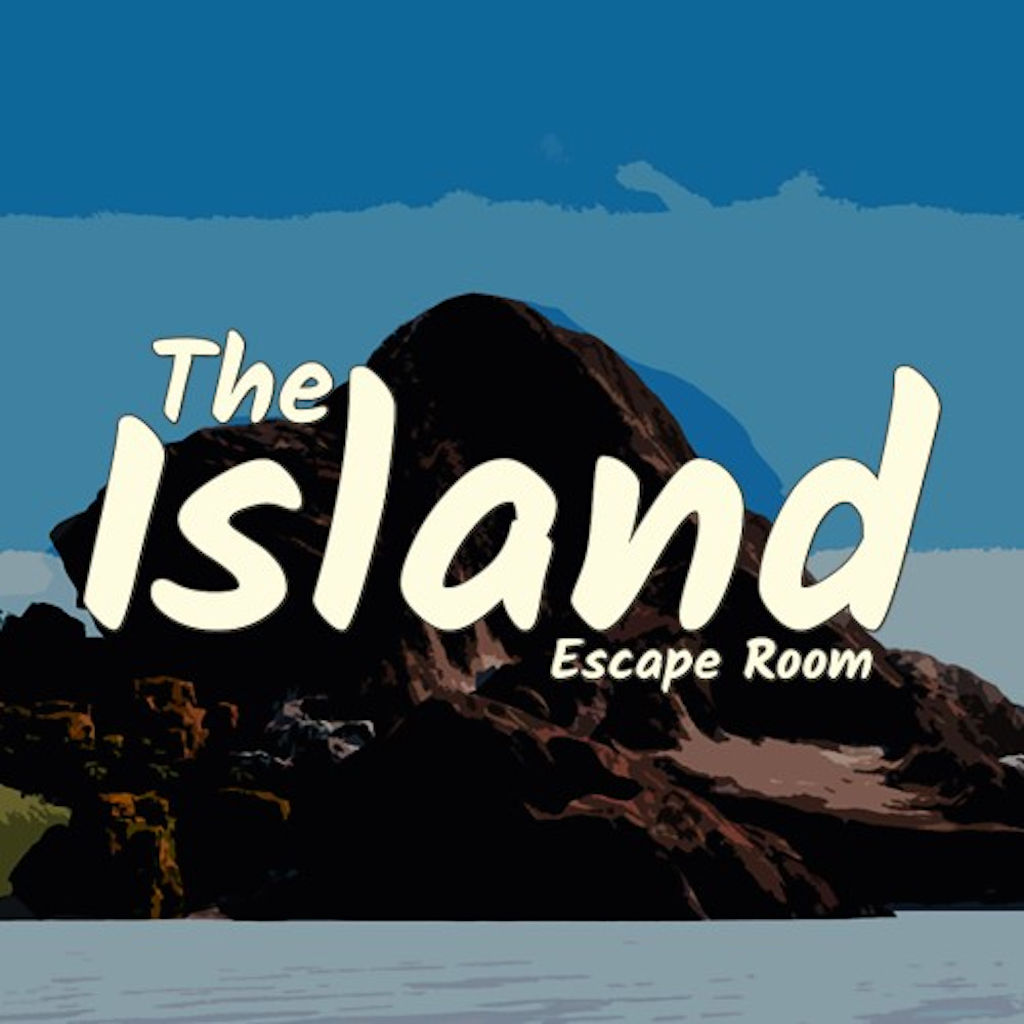
Escape rooms live and die by two elements: the quality of their puzzles and the atmosphere that surrounds them. In the real world, you can rely on dim lighting, tactile props, and the pressure of a ticking clock to create tension. In digital form, developers must replicate that magic through design alone. The Island – Escape Room from Flat Cat Games attempts exactly that — a cerebral journey built on lateral thinking, environmental exploration, and slow-burning narrative intrigue.
It doesn’t reinvent the genre. But it doesn’t need to.
Stranded, But Not Directionless
The Island places you in a mysterious, puzzle-filled environment with one clear objective: escape alive. The premise is simple, but the execution leans into classic escape-room sensibilities. You explore different corners of a sprawling island, collecting clues, combining objects, and solving interconnected puzzles that gradually unlock new areas.
Unlike smaller, single-room digital escape experiences, The Island opts for scale. This isn’t a confined puzzle box — it’s a layered landscape. Beaches, ruins, hidden chambers, and atmospheric set pieces create a sense of progression that mimics moving through multiple physical escape rooms stitched together into one continuous adventure.
Exploration feels purposeful. You’re rarely wandering aimlessly; instead, you’re scanning environments carefully for interactive objects, subtle clues, or hidden mechanisms. The game rewards curiosity without overwhelming the player with meaningless clutter.
Puzzle Philosophy: Intelligence and Lateral Thinking
Flat Cat Games clearly understands the audience: escape room enthusiasts who want to feel clever.
The dozens of puzzles scattered throughout the island range from logic-based challenges to inventory-driven riddles and pattern recognition tasks. Some puzzles are standalone brainteasers; others require multi-step solutions that span multiple areas of the island.
The difficulty curve is steady rather than punishing. Early puzzles teach you the game’s logic language — how clues are presented, how objects interact, and how environmental storytelling feeds into solutions. Later challenges require more lateral thinking, occasionally demanding that you reinterpret earlier discoveries in new contexts.
Importantly, the puzzles are fair. Solutions rarely hinge on obscure pixel hunting or random guessing. When you’re stuck, it’s usually because you’ve overlooked a clue or misinterpreted a hint — not because the game is being cryptic for the sake of it.
That said, there are moments where progression slows significantly. A handful of puzzles lean heavily into abstraction, which may frustrate players who prefer clear logical frameworks over creative interpretation.
Atmosphere Over Spectacle
Visually, The Island – Escape Room prioritizes mood over graphical extravagance. The island’s different areas are distinct enough to feel like chapters in a larger journey. Shifting atmospheres — from sunlit exterior zones to darker, more enclosed environments — help maintain a sense of momentum.
Lighting plays a subtle but effective role. Shadows and ambient tones reinforce mystery without becoming oppressive. The sound design supports this balance: environmental audio and restrained music create tension without overwhelming the player’s concentration.
There’s no cinematic bombast here. Instead, the presentation leans into quiet immersion. The result feels intimate and focused — fitting for a genre built around mental engagement rather than spectacle.
Story as Motivation
While puzzles are the main attraction, The Island also threads a narrative through its environments. Story elements are revealed gradually through discovered notes, environmental clues, and contextual discoveries.
The narrative isn’t groundbreaking, but it serves an important function: it gives purpose to your escape. You’re not solving arbitrary locks for the sake of it; you’re uncovering pieces of a larger mystery about the island itself.
The pacing of story beats aligns well with puzzle progression. Significant revelations often coincide with major unlocks, reinforcing the sense of advancement.
For players who primarily seek intellectual challenge, the story is an added bonus. For those who enjoy narrative-driven puzzle games, it provides just enough intrigue to stay invested without overshadowing the core gameplay.
Exploration and Flow
One of the trickiest aspects of digital escape rooms is maintaining flow. Too linear, and the experience feels constrained. Too open, and players become lost.
The Island walks this line reasonably well. While multiple puzzles may be active at once, environmental gating ensures you’re not overwhelmed by too many simultaneous objectives. The island’s layout subtly nudges you toward areas where progress is possible.
Inventory management is straightforward, avoiding cumbersome menus or excessive item juggling. Objects are logically categorized and clearly identifiable.
However, backtracking is occasionally required. While this can reinforce the interconnected nature of the island, it sometimes slows pacing. A clearer tracking system for unresolved puzzle elements might have reduced unnecessary revisits.
Who Is It For?
The Island – Escape Room is unapologetically built for escape room lovers. It assumes patience. It expects observation. It rewards careful thought.
This is not a fast-paced action puzzle hybrid. There are no quick reflex tests, no timed sequences designed to induce panic. Instead, the tension comes from the quiet pressure of being stuck — that mental itch demanding resolution.
Players accustomed to guided hint systems may find the game slightly demanding. There’s satisfaction in that design choice, but it can occasionally verge on stubbornness.
For purists, however, that resistance is part of the charm.
Where It Excels — and Where It Struggles
Strengths:
- Clever, varied puzzle design
- Strong sense of atmosphere
- Cohesive island setting
- Narrative that supports progression
- Fair challenge curve
Weaknesses:
- Occasional pacing slowdowns
- Some abstract puzzles may frustrate
- Limited quality-of-life guidance for stuck players
The biggest compliment one can give The Island is that it feels authentic. It captures the deliberate pacing and mental focus of a physical escape room. Its biggest flaw is that it occasionally overestimates player intuition, particularly in later segments.
Final Verdict
The Island – Escape Room is a thoughtful, well-crafted digital escape experience that understands its audience. It doesn’t chase flashy mechanics or dramatic twists. Instead, it builds a cohesive puzzle journey rooted in logic, atmosphere, and steady narrative intrigue.
Its island setting provides a welcome sense of scale, and its puzzle design consistently rewards careful thinking. While some moments may test patience and backtracking can slow momentum, the overall experience remains satisfying and intellectually engaging.
Flat Cat Games has created a love letter to escape room enthusiasts — a game made by fans, for fans.
If you enjoy methodical exploration, multi-layered riddles, and the quiet satisfaction of unlocking the next mystery, The Island will keep you engaged from start to finish. If you prefer constant guidance or high-intensity gameplay, it may feel slow.
But as a pure puzzle experience, it succeeds.