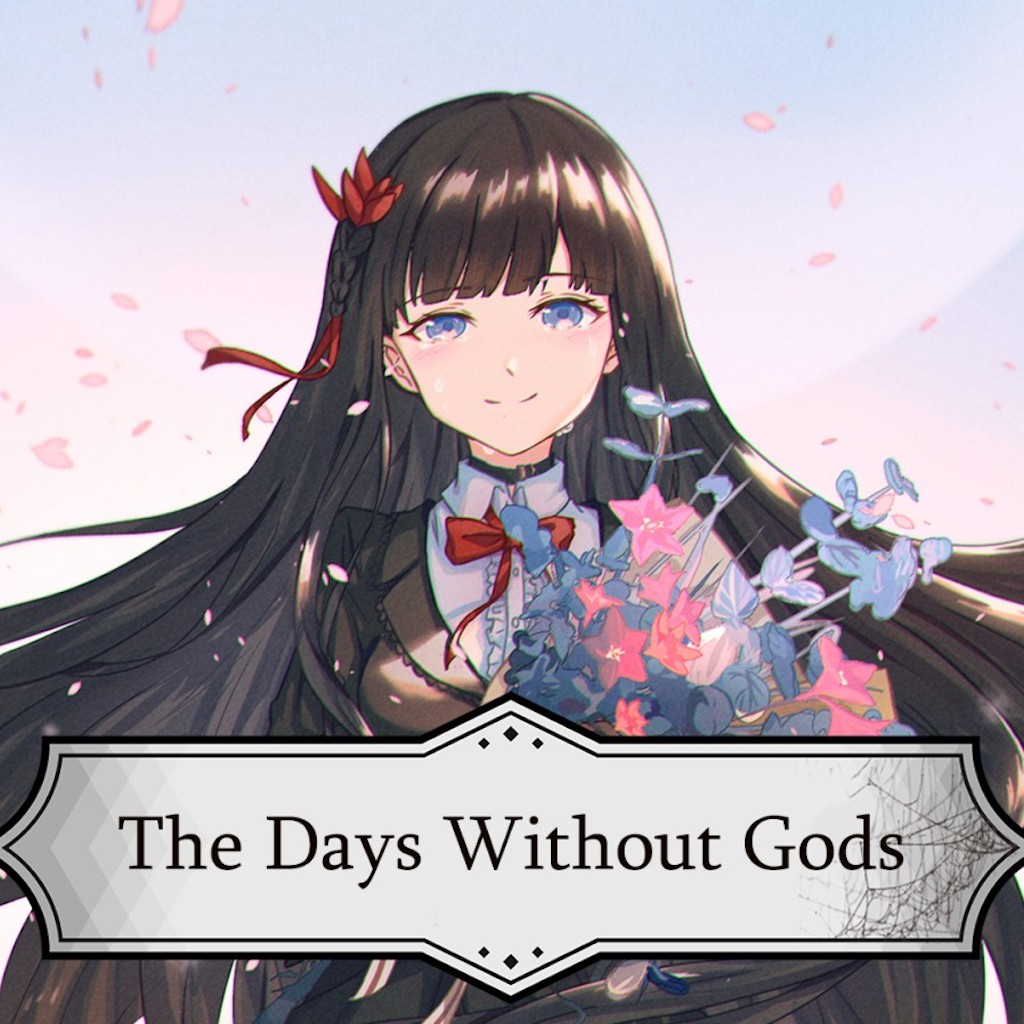
The Days Without Gods is a subdued, contemplative narrative experience that places atmosphere, introspection, and thematic weight above mechanical complexity. Rather than offering high-stakes combat or constant player-driven spectacle, it invites you into a fractured world shaped by absence — absence of faith, certainty, and the divine. It is a game that asks players to slow down, listen carefully, and engage emotionally with its environment and characters.
This is not a title designed to thrill in traditional ways. Instead, The Days Without Gods positions itself as a reflective journey, one that explores belief, loss, and the human need for meaning when familiar structures collapse. It is a game that will resonate deeply with some players, while leaving others unmoved — and that divisiveness is very much part of its identity.
World and Premise: Life After the Divine
The central concept of The Days Without Gods is simple yet philosophically rich: what happens to the world when the gods disappear? The game does not frame this as a sudden apocalyptic event, but rather as a slow, existential unraveling. Faith-based institutions crumble, rituals lose meaning, and ordinary people are left to confront a reality stripped of cosmic reassurance.
You inhabit a world that feels worn, subdued, and quietly desperate. Towns are half-functional, landscapes feel abandoned rather than destroyed, and characters speak with a weary acceptance that something fundamental has been lost. The game avoids overt exposition, instead allowing its premise to emerge organically through dialogue, environmental details, and the emotional tone of its encounters.
This restraint is one of the game’s greatest strengths. Rather than telling you what to think about a godless world, The Days Without Gods lets you observe how people cope — or fail to cope — with that absence. It’s a setting defined less by what has happened and more by what is no longer there.
Narrative Design: Fragmented, Human, and Intimate
Storytelling in The Days Without Gods is deliberately fragmented. There is no single, driving plotline in the conventional sense. Instead, the narrative unfolds through a series of vignettes, conversations, and discoveries that gradually build a picture of the world and its inhabitants.
You encounter individuals grappling with grief, doubt, stubborn hope, and quiet resilience. Some cling to old beliefs, others reject them entirely, and many exist somewhere in between. The writing is understated but effective, relying on subtext rather than melodrama. Characters rarely explain themselves outright; their stories are revealed through small gestures, incomplete confessions, and moments of silence.
This approach lends the narrative an authenticity that feels grounded and human. However, it also requires patience. Players expecting clear objectives, dramatic twists, or a strong narrative throughline may find the pacing slow and the structure ambiguous. The game is less concerned with telling a story than with creating a space in which stories can be felt.
Gameplay: Minimalist by Design
Mechanically, The Days Without Gods is intentionally restrained. Gameplay focuses on exploration, dialogue choices, and light environmental interaction. There are no combat systems, no fail states in the traditional sense, and very few moments of mechanical tension.
Movement is smooth and unobtrusive, designed to keep the player immersed rather than challenged. Interactions are contextual and simple — examine an object, speak to a character, make a choice that subtly alters how conversations unfold. These choices rarely result in immediate or obvious consequences, reinforcing the game’s emphasis on emotional impact over mechanical reward.
For some players, this minimalism will feel refreshing. It allows the narrative and atmosphere to breathe without distraction. For others, it may feel limiting, even passive. The Days Without Gods asks players to engage on an emotional and intellectual level rather than through mastery or optimisation.
Atmosphere and Presentation: Melancholy Made Tangible
Visually, the game adopts a muted, painterly art style that reinforces its themes of loss and uncertainty. Colour palettes are subdued, dominated by greys, earth tones, and washed-out hues that give the world a perpetually overcast feel. This is not a place of dramatic ruin, but one of quiet erosion.
Environmental design is thoughtful and symbolic. Abandoned shrines, neglected public spaces, and weathered architecture all serve as silent reminders of a world that has outlived its guiding beliefs. These spaces feel intentionally sparse, encouraging contemplation rather than visual overload.
The audio design is equally restrained. Music is minimal and used sparingly, often giving way to ambient sounds like wind, distant footsteps, or the low hum of an empty settlement. When music does appear, it is subtle and emotionally resonant, underscoring key moments without dictating how the player should feel.
Voice acting, where present, is understated and naturalistic. Performances avoid theatricality, instead favouring quiet, grounded delivery that suits the game’s tone.
Themes and Emotional Impact
What ultimately defines The Days Without Gods is its thematic ambition. It is a game about belief, but not in a religious sense alone. It explores belief in institutions, traditions, and narratives that give life structure. When those frameworks vanish, what remains?
The game does not offer answers. It presents multiple perspectives without endorsing any single one. Some characters find freedom in the absence of gods; others feel lost, unmoored, or angry. This multiplicity of viewpoints adds depth and avoids reducing the subject matter to a simple philosophical statement.
For players willing to engage with these themes, the emotional payoff can be significant. Moments of quiet connection, understanding, or unresolved tension linger long after the screen fades to black. However, the impact is subtle rather than cathartic, and its resonance depends heavily on the player’s willingness to reflect.
Where It Falls Short
Despite its strengths, The Days Without Gods is not without flaws. Its slow pacing and minimal gameplay may test the patience of players accustomed to more interactive or mechanically driven experiences. Some narrative threads feel underdeveloped, ending without resolution in a way that feels intentional but potentially unsatisfying.
Additionally, the lack of strong player agency may limit replayability. While dialogue choices alter tone and perspective, they rarely lead to dramatically different outcomes, reinforcing the game’s focus on experience over consequence.
Final Verdict
The Days Without Gods is a thoughtful, emotionally grounded narrative experience that prioritises atmosphere, introspection, and thematic depth over conventional gameplay. It is a game that trusts its audience to engage thoughtfully, offering a world defined by absence and asking players to sit with the discomfort that creates.
While its minimalist design and subdued pacing will not appeal to everyone, those drawn to reflective storytelling and philosophical themes will find a quietly powerful journey here. It may not shout its ideas, but it speaks with sincerity and restraint — qualities that linger long after the experience ends.