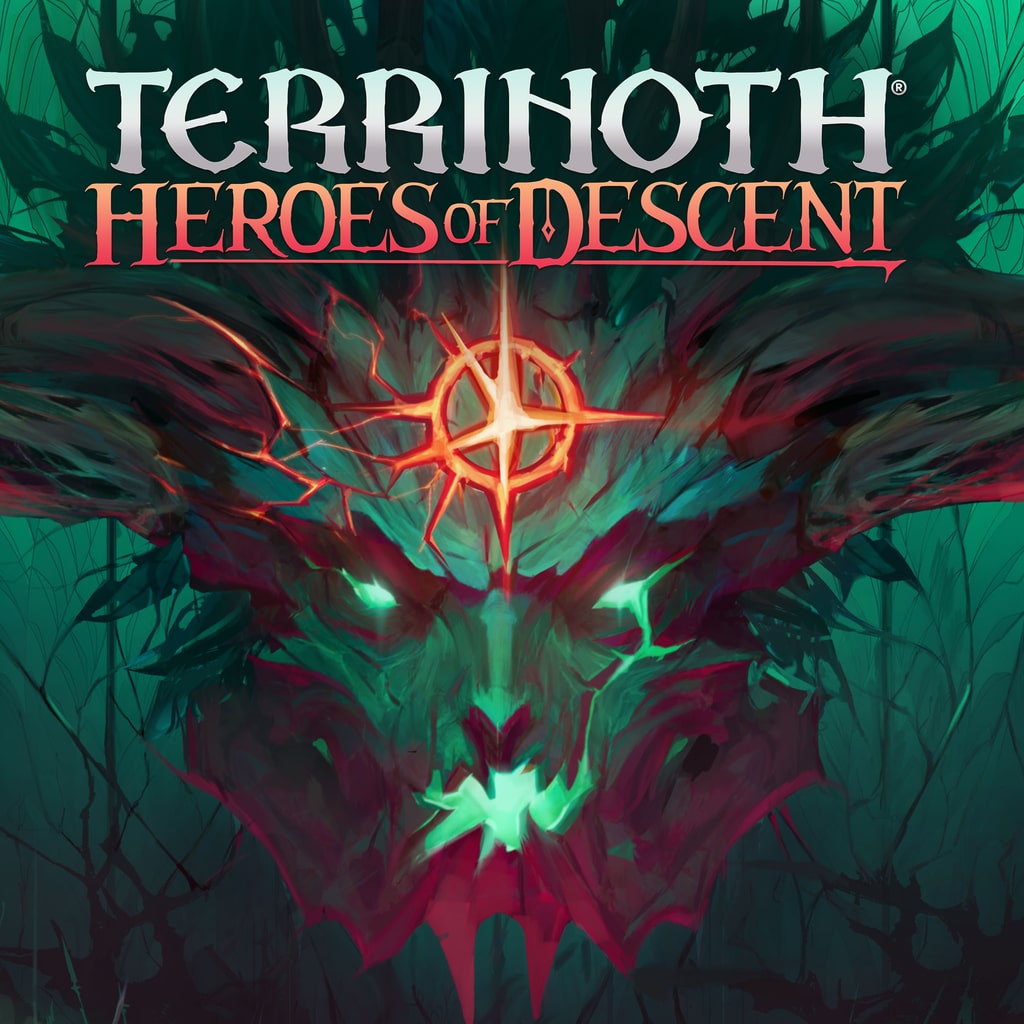
For years, the world of Terrinoth has lived comfortably in the imaginations of tabletop enthusiasts. Across countless Descent campaigns, players have gathered around tables to battle monsters, collect treasure, and weave tales of heroism across dangerous lands. Translating that experience into a video game is no small task. The challenge is not merely recreating mechanics but preserving the feeling of embarking on an adventure alongside friends.
Terrinoth: Heroes of Descent approaches its challenges with surprising confidence. Developed by Artefacts Studio and published by New Tales, this digital adaptation serves as a standalone prequel to Descent: Legends of the Dark. Rather than aiming to become an enormous role-playing epic, it focuses on delivering accessible tactical combat, cooperative fun, and a fantasy adventure that feels remarkably close to a traditional board game session. The result is a game that understands its strengths, even if it occasionally sacrifices depth for accessibility.
Welcome Back to Terrinoth
Set a year before the events of Legends of the Dark, the story follows a group of adventurers drawn into a growing threat that could plunge Terrinoth into darkness. At the centre of the narrative lies a forgotten relic whose power could alter the fate of the realm. Naturally, several dangerous forces are determined to claim it first.
The premise will not surprise anyone familiar with fantasy storytelling. Ancient artefacts, looming darkness, and heroic adventurers are familiar ingredients. Yet familiarity is not necessarily a weakness. The game’s writing succeeds by embracing these classic fantasy foundations while letting its characters and world lend personality. Terrinoth already has decades of lore from its tabletop origins, and the game benefits greatly from that established foundation.
The campaign unfolds across four chapters and roughly twenty dungeons, creating an adventure that typically lasts between twenty and thirty hours, depending on exploration habits and completionist tendencies. While the main story never reaches the emotional heights of genre giants, it remains consistently engaging thanks to strong pacing and excellent voice performances. Conversations feel natural, and party members frequently exchange observations and banter that bring the adventure to life.
One particularly enjoyable touch is the adaptive dialogue system. Different heroes contribute unique perspectives during missions, so party composition influences conversations throughout the campaign. It is a relatively small feature on paper, but it encourages experimentation and makes repeated playthroughs more rewarding.
Tactical Combat Done Right
Combat is unquestionably the star of the show. At first glance, the system appears deceptively simple. Each character receives three action points per turn, which can be spent on movement, attacks, abilities, or item use. Within minutes, most players will grasp the fundamentals. Yet beneath that accessibility lies a surprisingly satisfying tactical framework.
Positioning matters constantly. Charging recklessly into combat is rarely a good idea. Elevation provides meaningful advantages, line of sight influences attacks, and environmental hazards can completely alter the flow of battle. The best encounters encourage players to think several turns ahead while remaining approachable for newcomers.
The battlefield design deserves particular praise. Dungeons consistently introduce new layouts, obstacles, and enemy combinations that keep encounters fresh. One mission might involve carefully navigating narrow corridors filled with traps, while another throws large-scale engagements against waves of reinforcements. The variety ensures combat never feels repetitive despite the lengthy campaign.
Then there are the Synergy Attacks. These powerful combination abilities are built by coordinating actions between heroes. Watching multiple party members work together to unleash devastating finishing moves creates some of the game’s most satisfying moments. More importantly, they encourage teamwork and communication during cooperative play. Few things feel better than watching a carefully planned strategy collapse an enemy force in spectacular fashion.
Combat strikes an impressive balance between accessibility and tactical depth. It never overwhelms players with unnecessary complexity, yet consistently rewards thoughtful decision-making.
Heroes Worth Bringing Along
The game offers eight playable heroes, each with distinct abilities, combat roles, and progression paths. Rather than creating custom characters, players select from this roster and gradually develop their chosen adventurers throughout the campaign.
This decision works surprisingly well. Every hero feels useful, and each brings something unique to combat encounters. Whether controlling a heavily armoured frontline fighter, a nimble rogue, or a devastating spellcaster, players can find a playstyle that suits them.
Character progression is intentionally streamlined. Levelling unlocks new perks and expanded equipment options, while upgrades at the Forge gradually strengthen the party. The system lacks the intricate build crafting found in more complex RPGs, but it remains rewarding throughout the adventure.
What truly elevates the cast is their interaction during missions. The heroes regularly comment on events, react to discoveries, and exchange dialogue that reveals their personalities. While none of them reach the depth of legendary RPG companions, they remain charming company throughout the journey.
That said, there is a lingering sense that the game could have done more with them. Outside missions, opportunities for deeper character development are limited. Players expecting lengthy companion quests or relationship systems may find the experience somewhat light.
Designed for Busy Adventurers
One of the smartest aspects of Heroes of Descent is its structure. Every mission is a self-contained adventure that can generally be completed in sixty to ninety minutes. This approach makes the game remarkably easy to fit into busy schedules. Rather than demanding marathon sessions, it delivers satisfying chunks of progress, ideal for weeknight gaming.
The structure also works beautifully in multiplayer. Supporting up to four players online, the game embraces its cooperative roots from start to finish. Friends can join mid-session, making it easy to organise dungeon runs without complicated planning. The drop-in functionality removes many of the frustrations that often plague cooperative games.
This is where the title feels closest to its tabletop inspiration. Gathering a party, tackling a dungeon, claiming treasure, and celebrating victory alongside friends captures much of the magic that made Descent so beloved in the first place.
The Cost of Accessibility
For all its strengths, the game’s streamlined design will not appeal to everyone. Artefacts Studio clearly prioritised accessibility when designing the progression systems. Inventory management is simplified, equipment choices are straightforward, and character development remains relatively focused throughout the campaign. This keeps the pace moving and prevents players from being buried beneath menus and statistics.
The downside is that some RPG enthusiasts may find the experience lacking depth. Those who enjoy spending hours optimising builds, hunting for rare loot, or crafting highly specialised character configurations may feel restricted. There are meaningful choices, but not enough to satisfy players seeking extensive theory-crafting opportunities.
Similarly, while the narrative remains enjoyable, it occasionally feels secondary to the combat systems. The heroes possess personality, but opportunities to explore their backgrounds and relationships are limited. As a result, some emotional moments lack the impact they might have achieved with greater character development. These shortcomings never derail the experience, but they do prevent the game from reaching the upper tier of fantasy RPG storytelling.
A Faithful Digital Adaptation
Visually, Terrinoth: Heroes of Descent captures the look and feel of the tabletop universe. Character models are colourful and expressive, while the environments showcase a pleasing variety of fantasy locales. Ancient ruins, haunted chambers, and monster-filled strongholds all feel appropriately adventurous.
Performance remains stable throughout the campaign, even during larger encounters with enemies and visual effects. Load times are short, controls are intuitive, and the user interface presents information clearly without overwhelming the player.
The voice acting deserves special recognition. Performances across the cast inject energy and personality into even routine conversations. Combined with a strong orchestral soundtrack, the presentation consistently enhances the adventure’s atmosphere. It may not rival the biggest-budget RPGs on the market, but it succeeds in bringing Terrinoth to life in a way that feels authentic and engaging.
Final Verdict
Terrinoth: Heroes of Descent understands exactly what kind of game it wants to be. Rather than chasing sprawling open worlds or endlessly complex systems, it focuses on delivering fast-paced tactical combat, enjoyable cooperative play, and a fantasy adventure that captures the spirit of gathering around a table with friends.
Its streamlined progression systems and lighter narrative depth may disappoint players seeking a deeply intricate role-playing experience. Yet those same decisions make the game remarkably approachable and easy to enjoy. The excellent combat, smart mission structure, and polished cooperative features ensure there is always another dungeon worth exploring.
For fans of tactical combat and cooperative fantasy adventures, Terrinoth: Heroes of Descent is a welcome addition to the genre. It may not reinvent dungeon crawling, but it certainly reminds us why we fell in love with it in the first place.