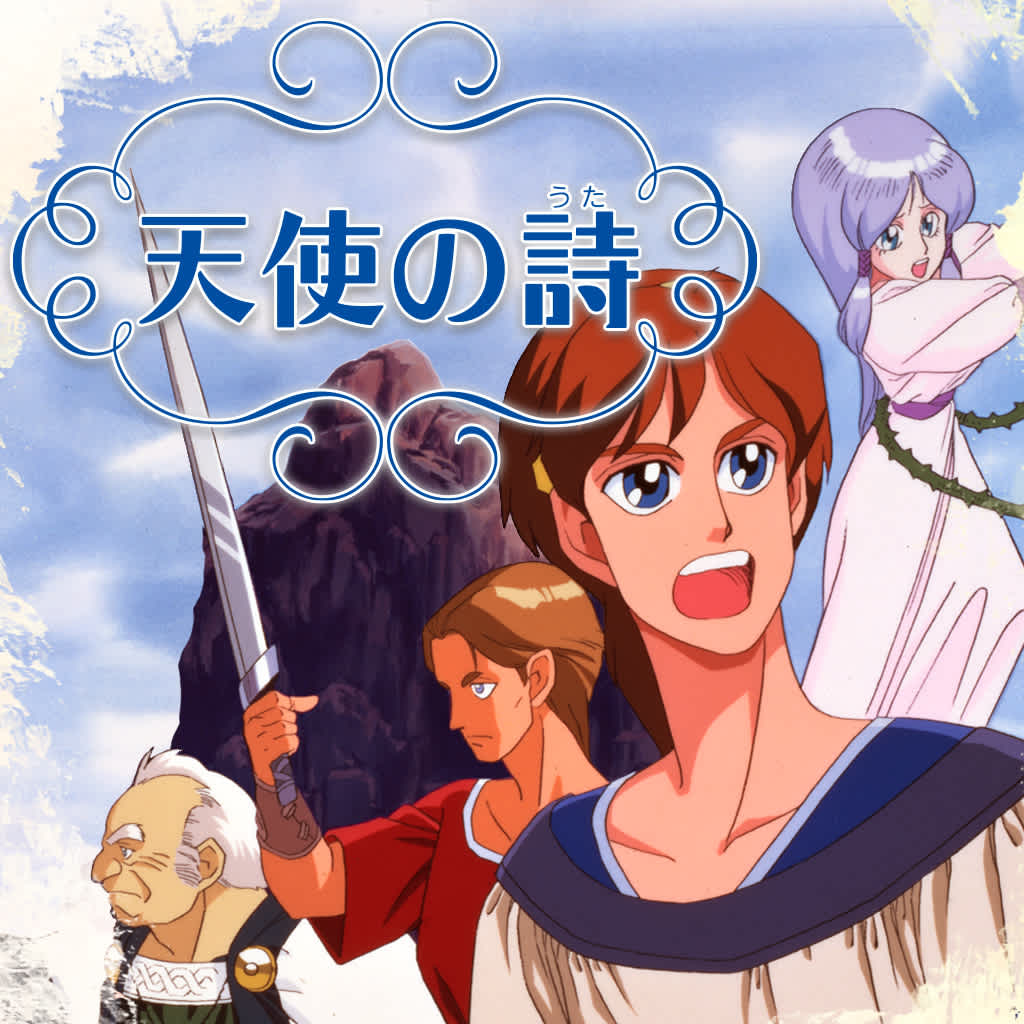
The resurgence of classic role-playing games on modern platforms has allowed many once-overlooked titles to finally reach a global audience. Tenshinouta: The Angel’s Verse is one such revival — a cult-favourite JRPG originally released during the PC Engine era that has long been praised for its emotional storytelling, distinctive mythological influences, and traditional turn-based design.
Now available on modern hardware, Tenshinouta arrives as part of a carefully curated collection that preserves the spirit of the original while introducing light quality-of-life improvements. It is a game rooted firmly in early ’90s design philosophy, but one whose narrative ambition and thematic sincerity allow it to transcend its age.
Story and Themes: Love, Loss, and Destiny
At its heart, Tenshinouta: The Angel’s Verse is a story about devotion and sacrifice. Players step into the role of Kael, a young warrior whose peaceful life is shattered when his fiancée, Clare — a maiden of divine origin — is abducted by demonic forces. What begins as a personal rescue soon escalates into a sprawling conflict involving ancient prophecies, fallen angels, and the looming resurrection of a demon lord threatening the balance of the world.
While the overarching plot follows familiar JRPG beats, the emotional grounding sets it apart. The bond between Kael and Clare is not merely a narrative hook but a driving force that gives weight to the journey. Their relationship is explored with surprising tenderness, lending emotional stakes to battles and story developments that might otherwise feel routine.
The game’s world draws heavily from Celtic mythology and folklore — an uncommon influence in Japanese RPGs of its era. This thematic choice gives Tenshinouta a distinct identity, shaping everything from character designs to place names and musical motifs. The result is a setting that feels both fantastical and melancholic, reinforcing the game’s central themes of fate, devotion, and loss.
Gameplay: Traditional JRPG Design with Tactical Depth
Mechanically, Tenshinouta adheres closely to classic JRPG conventions. Exploration, dialogue-driven storytelling, and turn-based combat form the core gameplay loop, with character progression tied to experience points, equipment upgrades, and party synergy.
Combat System
Battles unfold through a familiar menu-based structure, placing emphasis on planning rather than reflexes. Players can recruit and manage a party of up to five characters, each with distinct strengths and roles. Strategic party composition becomes increasingly important as the game progresses, particularly during boss encounters that demand careful use of abilities rather than simple brute force.
While combat rarely reinvents the genre, it remains consistently engaging thanks to solid balance and meaningful progression. Choosing when to defend, heal, or unleash powerful abilities can mean the difference between victory and defeat, especially in later stages where enemies punish careless play.
Exploration and Progression
Outside of combat, the game encourages exploration of towns, dungeons, and overworld areas filled with hidden items and optional challenges. Players willing to venture off the beaten path are rewarded with rare equipment and story flavour that enriches the overall experience.
Progression feels deliberate rather than rushed. While some sections require light grinding — a hallmark of the era — character growth is steady and satisfying, ensuring that each upgrade feels earned.
Visual Presentation and Sound Design
Visually, Tenshinouta: The Angel’s Verse embraces its pixel-art origins. Character sprites are expressive despite technical limitations, and environments feature rich colour palettes that bring the world to life. Rather than feeling dated, the presentation carries a nostalgic charm that will resonate strongly with fans of classic 16-bit RPGs.
The soundtrack is a standout element. Sweeping melodic themes accompany both exploration and combat, often reinforcing the emotional tone of key story moments. Many tracks evoke a sense of longing and grandeur, perfectly complementing the game’s romantic and mythological themes. It’s a reminder of how impactful music can be in shaping an RPG’s identity.
Modern Enhancements and Accessibility
This modern release includes several welcome improvements designed to make the experience more approachable for contemporary players. Save features are more forgiving, menus are clearer, and performance is stable across handheld and docked play.
Crucially, these enhancements do not compromise the original pacing or difficulty. Instead, they smooth out rough edges while respecting the game’s legacy — a balance that many retro re-releases struggle to achieve.
Difficulty and Pacing
Tenshinouta offers a moderate challenge that remains accessible to newcomers while still engaging veterans. While random encounters and slower traversal reflect older design sensibilities, the game rarely feels unfair. Players who take time to explore and engage with the combat systems will find the difficulty curve manageable and rewarding.
That said, players accustomed to fast-paced or heavily streamlined RPGs may find certain sections slow. Dialogue-heavy sequences and methodical dungeon design require patience, but those willing to embrace the rhythm will find a deeply immersive experience.
Replay Value and Collection Content
Replayability comes primarily from optional content, party experimentation, and revisiting the story with a deeper understanding of its themes. Additionally, the inclusion of a sequel within the collection expands the narrative timeline, offering a broader look at the world and its evolving conflicts.
Together, the titles form a cohesive saga that rewards long-term investment rather than quick completion.
Final Verdict
Pros:
- Emotionally driven story with strong romantic and mythological themes
- Classic turn-based combat that rewards strategy
- Beautiful pixel art and a memorable soundtrack
- Respectful modern enhancements that preserve the original experience
Cons:
- Traditional pacing may feel slow for some modern players
- Occasional grind reflects its era
- Limited mechanical innovation compared to contemporary RPGs
Conclusion:
Tenshinouta: The Angel’s Verse is a heartfelt revival of a classic JRPG that still has plenty to offer today. Its emotionally resonant narrative, strong atmosphere, and traditional gameplay make it a rewarding journey for fans of old-school role-playing games. While its age is evident in places, the sincerity of its storytelling and the care taken in its re-release ensure it remains a meaningful and memorable experience.