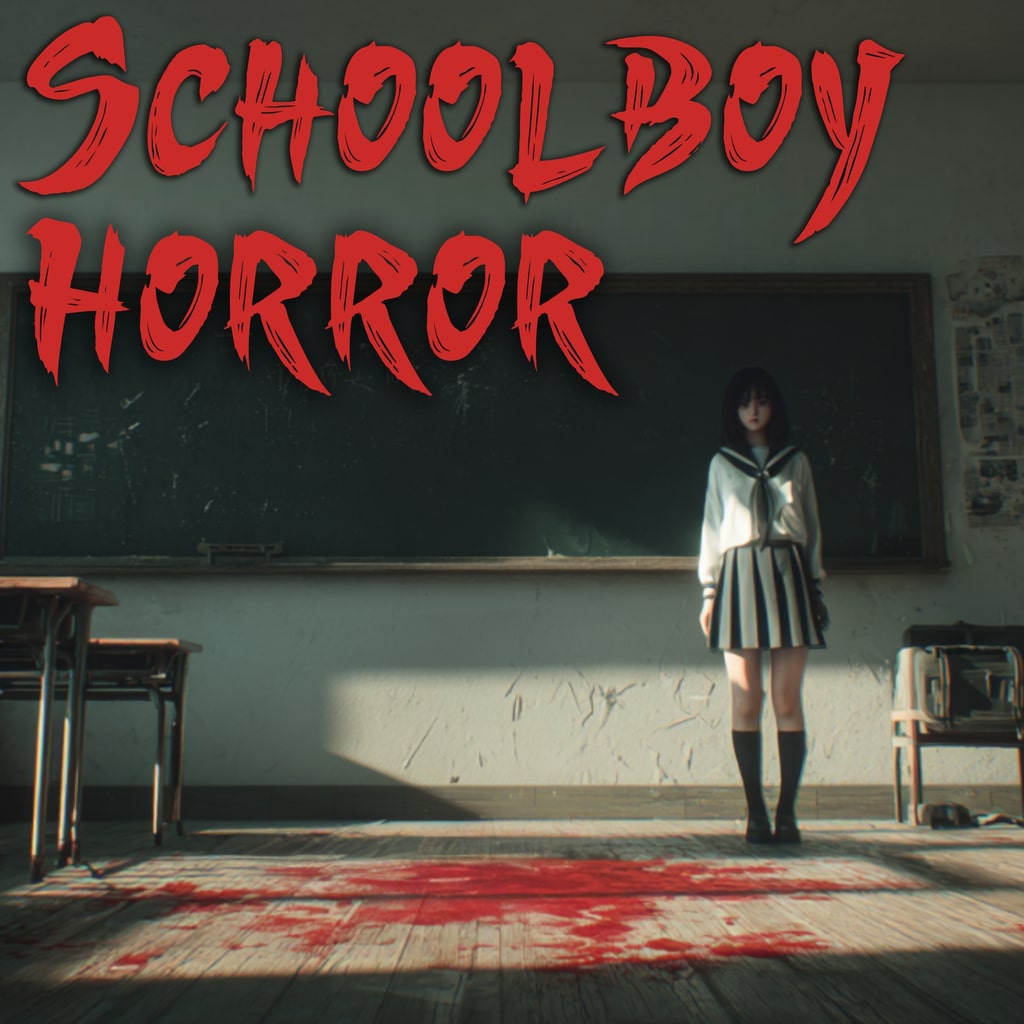
From the moment SchoolBoy Horror opens its creaking doors, it’s clear this isn’t your typical classroom simulator. Instead, it’s a narrative-driven horror experience wrapped in the trappings of teenage angst, schoolyard dread, and something deeply unsettling lurking in the hallways. Ambitious, atmospheric, and occasionally brilliant — SchoolBoy Horror stumbles just as often as it succeeds, but never stops trying to deliver something genuinely different in a saturated horror genre.
In a landscape filled with jump scares and recycled haunted house formulas, SchoolBoy Horror stakes its identity on character, environment, and emotional tension. What it lacks in polish, it often makes up for in ambition, and the result is a game that’s as fascinating as it is flawed. Let’s break it down.
Story — More Than Just Spooky Halls
At its heart, SchoolBoy Horror is a story about youth, fear, and the dark secrets behind closed doors. You play as a teenage boy whose school life takes a sinister turn when strange events begin unfolding around him: classmates go missing, teachers behave oddly, and whispers echo through abandoned corridors.
The narrative unfolds in chapters, each revealing layers of mystery tied to the school’s hidden past. The writing does an admirable job of balancing teenage vulnerability with genuine dread. There’s a sense of isolation that the game captures well — not just because of the eerie settings, but through the protagonist’s growing uncertainty and the tension in his interactions with others.
Where the story excels is in its pacing. Early chapters drip with tension, slowly escalating into moments that genuinely made me pause and take notice. Characters feel like real students with believable motives and fears, and the dialogue avoids cliché most of the time. When the game leans into surreal or psychological elements, it does so with purpose, blurring the line between what’s real and what’s imagined.
However, the narrative isn’t without faults. Some plot threads feel rushed or underdeveloped, leaving questions hanging longer than feels satisfying. The climax, while memorable, leaves a few loose ends that don’t fully connect, and the ending — ambitious as it is — may divide players between those who love ambiguity and those who want a more concrete resolution.
Gameplay — Exploration, Puzzles, and Fear in the Details
SchoolBoy Horror is primarily an exploration title with light puzzle elements. There’s no complex combat system; instead, fear is built through environment and discovery — peeling back the wallpaper, listening to muffled sounds, and piecing together cryptic notes.
Exploration
Walking through the school’s dim corridors is where the game shines. The layout feels intentionally labyrinthine, encouraging players to backtrack and pay attention to subtle changes in environment and atmosphere. The lack of an always-on map adds to the tension: every step forward feels like a commitment.
Environmental storytelling is deftly executed. A broken locker, a blood smear along a wall, or a student’s abandoned notebook all serve as breadcrumbs that deepen immersion. Important moments are rarely handed to you — they demand attention.
Puzzles
Puzzles range from straightforward key hunts to environmental riddles that tie into the game’s ongoing mystery. While most are logical and fair, a few feel obtuse without enough clues to guide players. This inconsistency can pull players out of the narrative flow at times.
Still, the puzzles are well integrated with the setting and rarely feel like interruptions. They reward curiosity rather than brute force, which aligns with the game’s psychological tone.
Atmosphere — A School That Feels Wrong
If SchoolBoy Horror has a greatest strength, it’s atmosphere. Every corridor, classroom, and forgotten stairwell feels loaded with potential threat. The lighting design is especially impressive — shadows creep into corners, and even well-lit hallways feel uneasy under flickering fluorescent lights.
Sound design plays a significant role. Footsteps echo unnervingly, distant voices whisper just out of intelligibility, and sudden silence can be just as unsettling as the loudest scream. The score itself is subtle, using dissonant tones and sudden silences to keep players on edge.
There are moments — especially in early game — where the atmosphere alone delivers more tension than traditional horror games with ten times the budget. In scenes where nothing overtly jumps out at you, the oppressive ambience still manages to convey genuine dread.
Graphics & Presentation — Stylistic Choices, Mixed Results
Visually, the game leans into a blend of stylised realism and psychological distortion. Textures and character models aren’t groundbreaking, but they accomplish exactly what they need to: convey a world that’s familiar, yet slightly off-kilter.
Classrooms look lived-in, hallways feel claustrophobic, and the occasional surreal sequence takes effective advantage of visual distortion. However, inconsistent animation quality — especially in character movement — can hurt immersion. Close-ups sometimes falter, and occasional graphical glitches pull players out of the experience.
Despite these issues, the art direction generally supports the horror tone. The unnerving use of perspective, unsettling character poses, and clever use of light and shadow create memorable visuals even when technical performance wavers.
Sound & Music — Subtle, Creeping Unease
One area where SchoolBoy Horror consistently succeeds is audio. Footsteps, creaks, distant whispers, and the ambient drone of empty classroom sounds build tension slowly but effectively. Music is sparing, which is a strength — moments of silence make sudden audio cues far more impactful.
Voice acting is competent overall, though delivery can occasionally feel flat or rushed. Nevertheless, the audio package pulls its weight, supporting the world’s eerie mood and helping anchor moments of dread that visuals alone could not achieve.
Replay Value & Content
Once you’ve finished the main story, SchoolBoy Horror doesn’t offer a wealth of additional content. There are a few branching dialogue paths and optional side details to uncover, but replay value is largely tied to experiencing all narrative variations rather than new game modes or significant mechanical incentives.
This is information better experienced than explained, but for players who enjoy unpacking lore or testing subtle narrative shifts, another run can be rewarding — if not essential.
Final Verdict — A Haunting With Heart
SchoolBoy Horror isn’t perfect. Technical rough patches, occasional storytelling overreach, and inconsistent puzzles hold it back from being a true classic. Yet its strong atmosphere, compelling narrative ambitions, and effective audio design make it an experience worth having — especially for players drawn to psychological horror that focuses on mood and mystery rather than cheap scares.
For every moment where the game falters, there’s another where it genuinely unsettles, surprises, or provokes thought. That earns it a place in the horror genre’s evolving canon, even if it doesn’t sit among the elite.