Samu is an evocative narrative adventure that stands out in an increasingly genre-saturated landscape by weaving introspection, memory, and mystery into a cohesive, emotionally grounded whole. This is a game that prioritises story and character over mechanical complexity, crafting an experience that feels less like a series of puzzles and more like a journey through memory and meaning.
Where many modern narrative titles favour cinematic spectacle or branching choice trees, Samu opts for a quieter, more contemplative approach. It unfolds at its own pace, inviting players to absorb its world, reflect on its themes, and piece together its emotional architecture with patience and care. For players attracted to games that explore identity, loss, and perception through interactive storytelling, Samu offers a richly rewarding experience.
Premise and World: Memory, Meaning, and Mystery
At its core, Samu positions the player in the shoes of an unnamed protagonist navigating a surreal, memory-infused world. Early moments are deliberately disorienting: fragmented environments, evocative audio cues, and abstract sequences blur the line between past and present, reality and dream. The game gradually reveals a quiet narrative underpinning these fragments, framing the protagonist’s inner world as both landscape and puzzle.
Rather than relying on overt exposition, the story is conveyed through environmental storytelling, subtle dialogue, and symbolic imagery. This approach allows players to interpret Samu’s narrative in a manner that feels personal and introspective. The game trusts its audience to draw connections, to appreciate nuance, and to engage with ambiguity — a bold choice in an era where narrative clarity is often equated with accessibility.
For many, this will be the game’s greatest strength: its willingness to convey emotional truth through implication rather than explanation. Players open to its rhythm will find themes of memory, identity, and reconciliation woven with subtlety and care. Those seeking a straightforward plot or explicit resolution may find Samu’s narrative opacity more challenging.
Gameplay Mechanics: Minimalist, Reflective Interaction
Mechanically, Samu is minimalist by intention. Interaction is rooted in exploration, observation, and simple puzzle engagement. There are no complex combat systems, high-pressure sequences, or reflex-driven challenges. Instead, the game encourages you to look, think, and interpret.
Puzzle elements are woven into the environment and narrative flow. They are not obstacles to progress so much as opportunities for deeper engagement. For example, spatial or symbolic puzzles prompt careful consideration of context and theme. These are rarely difficult in a mechanical sense; rather, they are designed to stimulate reflection and reinforce narrative tone.
Exploration is measured rather than frenetic. Environments unfold gradually, and movement itself feels intentional — a deliberate pacing that cultivates a sense of immersion. There are moments of surreal visual juxtaposition, shifting landscapes that echo emotional beats, and spatial metaphors that underline the game’s thematic architecture.
This sort of restrained interaction may feel understated to players accustomed to action or complex mechanics, but in Samu, gameplay and narrative are inseparable. Each puzzle, each corridor, each echo of sound contributes to the broader emotional experience.
Visual and Audio Presentation: Atmosphere With Purpose
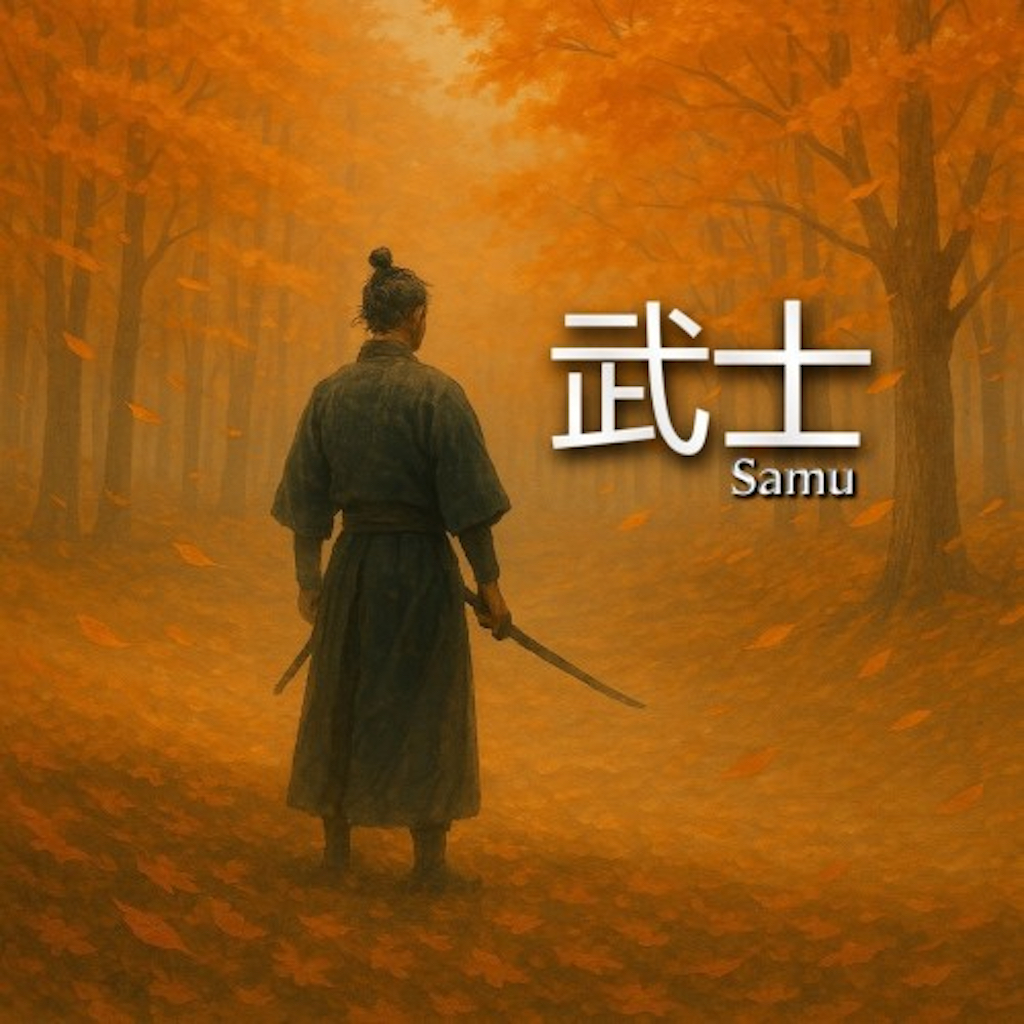
Visually, Samu embraces a painterly aesthetic — landscapes framed like half-remembered dreams, environments saturated with colour and texture that evoke mood more than photorealism. The art direction is bold without being ostentatious, prioritising atmosphere and emotional resonance over visual fidelity, and it works exceptionally well within the game’s narrative framework.
Levels shift between spaces that feel familiar and spaces that feel uncanny: empty rooms bathed in warm light, shadowed ruins of memory, open plains that defy spatial logic. These environments suggest mood and metaphor rather than literal geography, reinforcing the game’s focus on internal experience rather than external plot.
Audio is equally considered. Ambient tracks are hushed and evocative, shifting with emotional tone and reinforcing the game’s contemplative rhythms. Sound design often draws attention to space — echoes in halls, footsteps on grass, distant voices — without ever crowding the player’s attention. Dialogue, when present, is understated and purposeful, often leaving emotional interpretation in the player’s hands rather than spelling everything out.
Together, visuals and audio cultivate an atmosphere that is immersive, introspective, and — at times — haunting. This is not a game that aims to dazzle with spectacle; it seeks instead to create a space where players feel invited to think and feel.
Narrative Structure: Ambiguous, Personal, Interpretive
One of Samu’s most distinctive qualities is its narrative structure. A traditional linear plot with clearly defined acts would feel at odds with the game’s thematic focus. Instead, Samu unfolds episodically through vignettes, symbolic set-pieces, and fragmented scenes that gradually coalesce into a broader emotional arc.
This narrative dispersion is a double-edged sword. For players open to ambiguity and metaphor, it is deeply rewarding. The game invites you to project your own interpretations onto events, to consider how memory can be both a landscape and a labyrinth. It asks you to invest emotionally without telling you what to feel.
Yet for players seeking concrete answers, clear character motivations, or linear plotting, the structure may feel confounding at times. Certain narrative threads are never fully resolved, and the game resists spelling out connections that it hints at strongly. This is a design choice — one that respects player agency but inevitably narrows appeal.
Ultimately, Samu is a game that communicates best when approached as a meditative narrative experience rather than a conventional storyline. Its storytelling is not absent — just deeply layered and subtly delivered.
Accessibility and Pacing
The game’s pacing is deliberately contemplative. There are few segments designed to rush or surprise in a mechanical sense; the tension comes from interpretation and atmosphere rather than challenge spikes or timed sequences. For many players, this pacing will feel like a respite — a rare invitation to slow down and engage with narrative nuance.
Samu includes accessibility options that help tailor the experience — adjustable text settings, control simplifications, and options to ease navigation. These do not alter the game’s emotional core, but they ensure that chunkier mechanical barriers do not interfere with narrative engagement.
That said, Samu’s pacing is not for everyone. Some may find long stretches between narrative beats or puzzle interactions too subdued. This is a matter of taste rather than flaw: the game is what it intends to be — a reflective journey rather than a pulse-driven ride.
Where It Stumbles
Despite its many strengths, Samu is not without limitations:
Narrative Ambiguity:
While thematic depth is a strength, the lack of concrete narrative hooks may feel frustrating for players invested in clear character arcs or defined story outcomes.
Limited Mechanical Diversity:
Gameplay systems are minimalist by design. Players seeking varied mechanics or dense puzzle layers may feel the experience too uniform.
Pacing Sensitivity:
The contemplative pace will delight some and confound others. Extended quiet segments may test the patience of players expecting brisker progression.
None of these are technical failings — they reflect core design choices. Appreciation of Samu depends heavily on player expectations and appetite for introspective narrative over traditional structure.
Final Verdict
Samu is a thoughtful, atmospheric narrative adventure that demonstrates how games can explore memory, identity, and emotional resonance without relying on spectacle. It is at once gentle and profound: a meditation on experience wrapped in interactive form.
For players who enjoy interactive narrative, evocative atmosphere, and introspective pacing, Samu is a rich and rewarding journey. For those who seek high-intensity mechanics, cinematic beats, or traditional storytelling frameworks, it may feel too subtle or diffuse.
Despite its niche appeal, Samu stands as a strong example of narrative ambition in the indie space — one that respects player agency, rewards interpretation, and honours the emotional potential of interactive media.