Some games seem to have been patiently waiting in silence, refined over many years until they finally emerge with something truly meaningful to say. PRAGMATA, which launched on April 17, 2026, for PlayStation 5, Xbox Series X|S, PC via Steam, and later on Nintendo Switch 2, fits perfectly into this category. Developed and published by Capcom, it arrives with a distinct, confident identity: a blend of sci-fi adventure, a daring experiment in dual-character action, and a philosophical mystery set against the stark loneliness of the lunar surface.
This isn’t your run-of-the-mill action game and it doesn’t aim to be one. Instead, it challenges players to think deeply, manage multiple tasks, and constantly switch their focus between two characters working side by side. It stands out as one of the more unique mainstream releases in recent memory, brave enough to embrace its difficulty both in concept and in execution, adding a genuine human touch to the experience.
Story & Setting
The game unfolds at a distant lunar facility that has gone eerily silent after a disaster. Humanity’s breakthrough with a revolutionary material capable of being refined into almost anything via advanced 3D printing has transformed the moon into a sprawling industrial frontier. When communication suddenly ceases, a team is dispatched to uncover what went wrong.
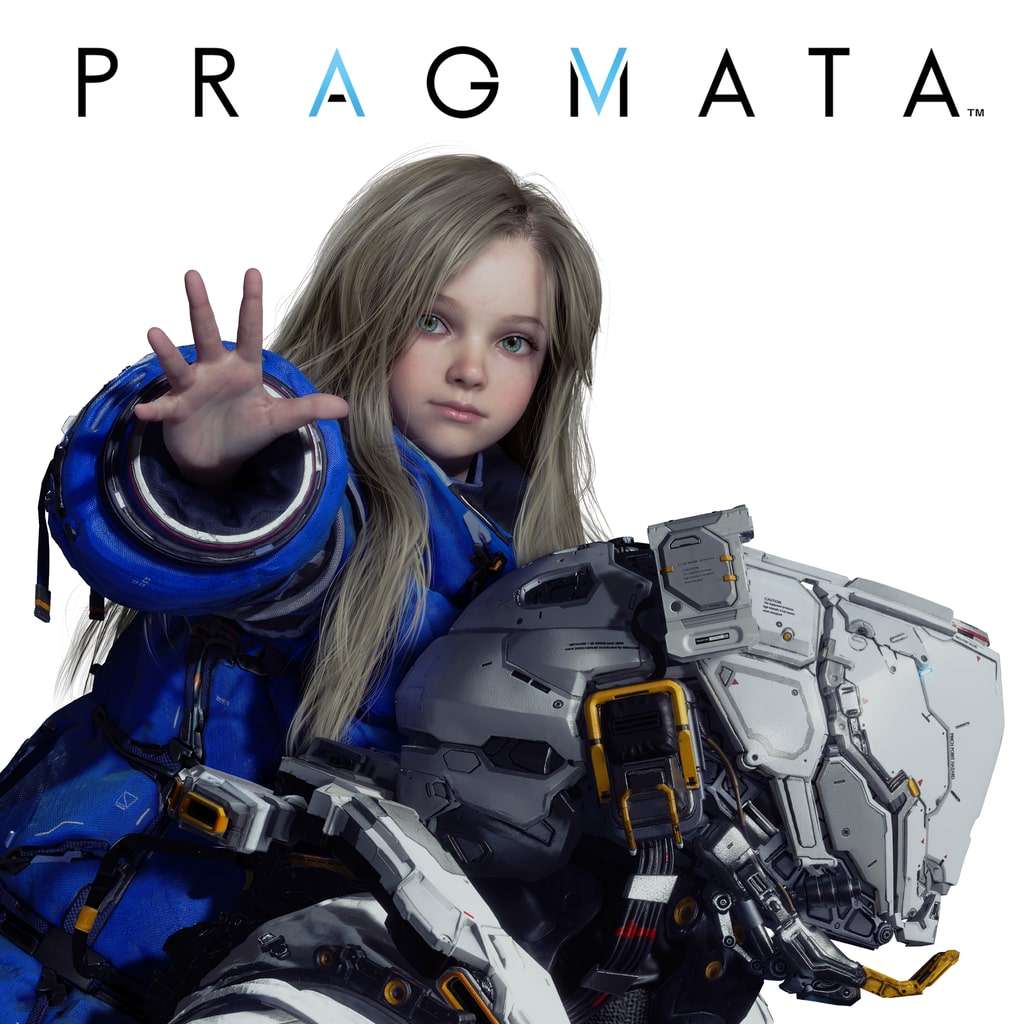
You take on the role of Hugh, a member of that doomed expedition, who quickly finds himself stranded and separated from his team. Soon, he is joined by Diana, a mysterious android whose origins remain unknown but who possesses an unsettling level of awareness. Together, they confront a facility that feels haunted by silence yet still somehow ominous.
While the story covers familiar ground, PRAGMATA stands out through its mood and atmosphere. The moon is more than just a setting—it feels like a forgotten civilization. Human traces are everywhere, from remnants of towns and streets to abandoned homes, yet everything feels curiously absent. It’s as if someone tried to reconstruct Earth from memory but kept missing the mark.
A constant undercurrent of unease pervades the environment. Logs, environmental details, and fragmented dialogues gradually reveal that this is not simply a case of a malfunctioning AI. Something far darker and more complex has transpired here. The narrative resists straightforward explanations, embracing ambiguity and mystery. Diana exemplifies this with her character—she’s both a companion and an enigma, adding emotional layers that keep players guessing.
Gameplay & Dual-Control System
At the heart of PRAGMATA is a distinctive dual-control system that immerses you deeply into its world. Picture yourself managing two characters simultaneously — Hugh and Diana — each navigating their own universe with unique tasks. Hugh is out in the field, engaging in shooting and exploration, while Diana operates behind the scenes, hacking systems, manipulating the environment, and disabling enemy defenses. This setup creates a pulse-pounding experience that makes you feel the adrenaline of coordinating two lives in the heat of battle.
This isn’t your usual turn-based or staggered mechanic. Both characters act at the same time, requiring you to juggle multiple actions constantly. At first, it might seem intimidating, but with time, it finds a rhythm that keeps you hooked. You’re always balancing two thoughts: surviving physically in the moment and executing digital strategies in parallel.
The combat system reflects this duality. Enemies often have shields or AI barriers that Diana needs to hack through, while Hugh holds the line and creates openings for attack. It feels less like traditional shooting and more like solving a real-time puzzle that demands your focus and quick thinking.
There is a learning curve, and it’s steep. The early fights can feel chaotic as you try to manage two streams of input. But once you get the hang of it, this challenge becomes one of the game’s most compelling elements. Few action games push you to think and plan like this, and even fewer maintain that intense level of mental engagement throughout the entire campaign.
Combat & Design Philosophy
Combat in PRAGMATA feels deliberately paced, emphasizing precision over explosive action. Hugh’s movements remain steady and grounded, wielding weapons that look more practical than flashy. The game puts a strong focus on careful positioning and timing, while Diana’s hacking introduces a constant layer of disruption and new opportunities, keeping the tension alive with every encounter. The enemy design reinforces this thoughtful approach—machines aren’t just bullet sponges but puzzles demanding understanding and strategic dismantling. Some enemies require specific hacking sequences, while others surprise you by changing behavior mid-fight, forcing quick reassessment of your tactics.
Boss battles stand out as true highlights. These intense encounters push the dual-control system to its limits, demanding sharp coordination between movement and hacking under growing pressure. When everything clicks, it’s a genuine feeling of achievement—earned and satisfying rather than merely scripted. That said, the system isn’t perfect. There are moments where input overlap can feel off, especially during frantic sequences where timing is critical. These glitches are rare but noticeable, particularly in the later stages when the challenge ramps up significantly.
World Design & Atmosphere
The lunar facility immediately captures your attention as one of the most striking visual elements of the game. Its environments evoke a cold, sterile atmosphere, yet there’s something undeniably intimate and haunting about them. Abandoned corridors and malfunctioning urban simulations weave a narrative of a project that spiraled beyond its creators’ control, leaving behind an air of mystery and loss.
Lighting plays a crucial role in setting the mood. The stark artificial glow sharply contrasts with the emptiness of space beyond the structural gaps, highlighting the fragility of human achievements in this alien environment. It often feels as though everything is more artificial than it appears.
Exploration unfolds at a slow, deliberate pace, inviting you to observe rather than rush forward. Optional logs and environmental storytelling layers deepen the mystery without overwhelming you. The game trusts you to find meaning in small fragments, creating a personal and immersive experience that resonates on a deeper level.
Audio & Performance
Sound design is subtle but truly impactful. Mechanical hums, distant system alerts, and gentle environmental distortions create a constant feeling of solitude in a vast, lonely space. Music is used sparingly, reserved for key moments—whether during story beats or intense combat—making those scenes hit even harder when they arrive.
The voice performances are quietly compelling. Hugh’s grounded, pragmatic tone contrasts with Diana’s deliberately restrained delivery, which sometimes feels almost emotionless. This dynamic beautifully highlights the evolving nature of their relationship, transforming from necessity into something more complex.
Performance-wise, the game holds up well across platforms. Load times are brief, and frame rates remain steady even during hectic encounters. The Switch 2 version, though slightly scaled back visually, still captures the core experience with impressive fidelity.
Replayability & Additional Content
Replay value mostly comes from the thrill of mastering the dual-control system and experimenting with different strategies during encounters. There are also some cosmetic unlocks, such as costumes inspired by samurai and ninja designs from the Sengoku Period, which add flair without changing the gameplay itself.
Although the game includes alternate difficulty settings, its true depth reveals itself in mastering its nuances. Approaching fights in multiple ways encourages experimentation and demands precision. Once you get the hang of it, each encounter transforms into a personal challenge brimming with potential.
Final Verdict
PRAGMATA refuses to be neatly categorised. It’s neither a straightforward action game nor a typical puzzle; instead, it carves out its own niche, thriving on the tension between genres. Its dual-character system is bold and can be challenging, but once you get the hang of it, the sense of achievement is genuinely rewarding.
Patience is key with this game. The early stages can feel overwhelming, and its steep learning curve might not suit everyone. Yet, beneath that complexity lies a carefully designed experience that pushes you to constantly rethink your approach to control, timing, and coordination.
Capcom has created something truly special here. It’s a sci-fi adventure that stands out because of its inventive mechanics, not just its setting. It’s not perfect, but its boldness is admirable—something we see less often in today’s gaming world.