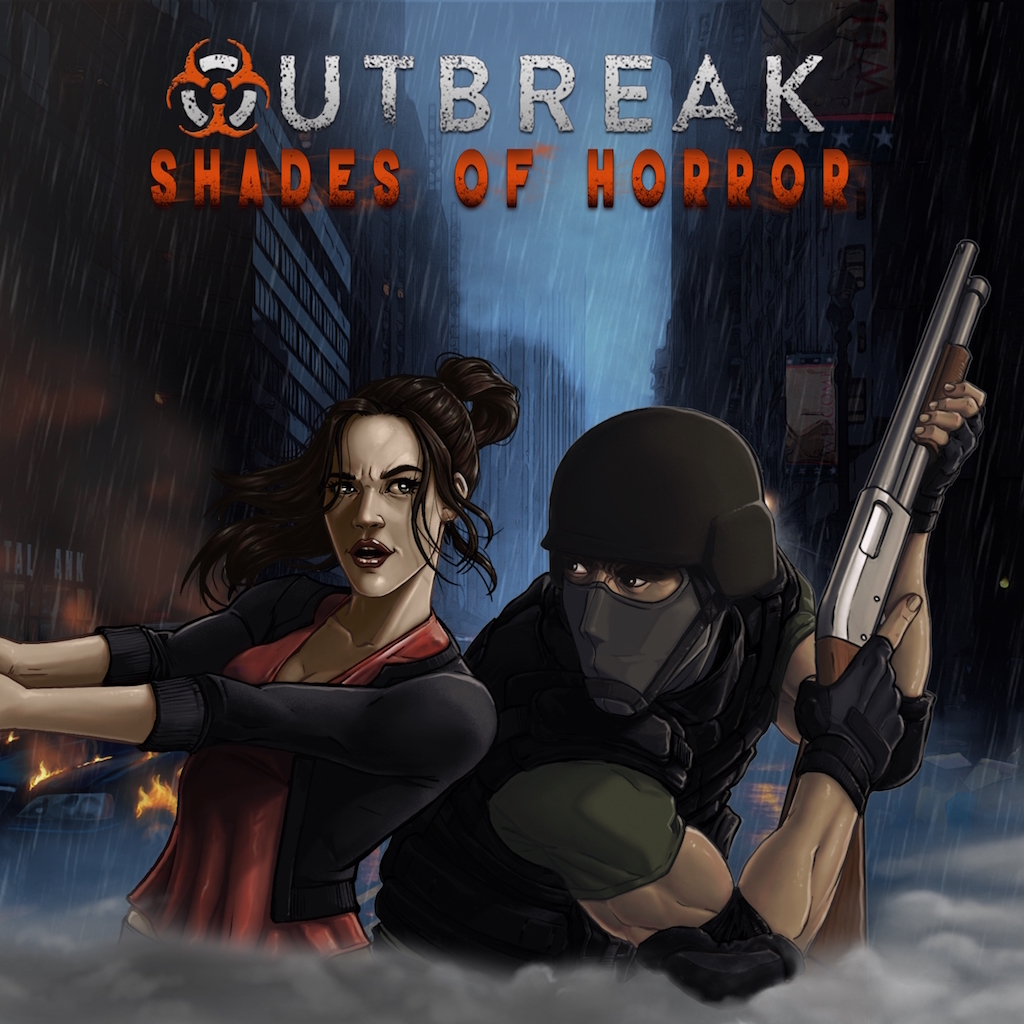
Outbreak: Shades of Horror is an indie survival horror title that embraces dread, resource scarcity, and atmospheric tension as its core hooks. Set in a world beset by an unexplained infection, the game places players in the shoes of a lone protagonist navigating derelict facilities, eerie landscapes, and a constant sense of predation. Rather than relying on jump scares or cinematic spectacle, Outbreak leans into mood, ambiguity, and environmental storytelling to sustain fear.
This approach yields mixed results. At its best, Shades of Horror evokes genuine unease and tactical tension, challenging players to stay vigilant and conserve limited resources. At its weakest, uneven pacing and inconsistent mechanical depth can dilute immersion. Nevertheless, for fans of classic survival horror atmospheres — where vulnerability is a design goal and silence is as scary as monsters — Outbreak delivers moments of real dread.
Narrative and Setting: Sparse, Ominous, and Fragmented
The narrative of Outbreak: Shades of Horror is deliberately minimalist. Players arrive in a world unravelled by an infection that has transformed people and places into fragmented remnants of catastrophe. The story is not delivered through long cutscenes or expository monologues; instead, it unfolds through environmental cues, scattered audio logs, and brief encounters with survivors.
This mode of storytelling is a double-edged sword. On the one hand, it fosters mystery and encourages players to piece together context from fragments — footprints in dust, abandoned notes scribbled hastily, flickering monitors displaying incomplete messages. The result can be compelling, prompting speculation and rewarding close observation.
On the other hand, the narrative economy sometimes veers into opacity. Key motivations and plot beats are obscured rather than hinted at, leaving gaps that feel frustrating rather than intriguing. While ambiguity can be a powerful tool in horror design, Outbreak occasionally uses it as a stand-in for clarity, which can leave players grasping for coherence rather than dread.
That said, the worldbuilding that is present effectively supports the tone the game wants to set: a fractured society, collapsing infrastructure, and an enemy that is as mysterious as it is deadly. When the writing does coalesce into identifiable events or revelations, the impact is heightened by the preceding ambiguity.
Atmosphere and Tone: Dread Through Restraint
Atmosphere is where Outbreak: Shades of Horror frequently feels its strongest. The game’s environments — abandoned labs, derelict urban corridors, and mist-shrouded perimeters — are crafted to evoke isolation and unease. Lighting is used judiciously: darkness is not merely aesthetic but tactical, forcing players to choose between visibility and concealment.
Sound design amplifies this effect. Ambient audio — distant creaks, low hums, intermittent static — constantly suggests unseen motion. Silence becomes an active ingredient; the absence of sound can be as unsettling as growls or cries. Occasional musical stings underscore tension rather than dominate it, reinforcing the notion that this horror is atmospheric and psychological as much as physical.
The visual presentation is functional rather than cinematic. Textures and environmental detail are serviceable, but the strength lies in composition — how corridors frame sightlines, how shadows conceal threats, and how even mundane spaces can feel unknowable. There is a deliberate focus on mood over spectacle, and for players attuned to subtle horror, this direction feels purposeful.
Gameplay Mechanics: Survival, Scavenging, and Tension
Mechanically, Outbreak roots itself in survival tension. Resources are limited — ammunition, healing items, and functional light sources are carefully rationed. This scarcity creates a persistent risk-reward calculus: should you advance into unknown territory for potentially useful supplies, or retreat and preserve what you have?
Combat, where it occurs, is gritty and unforgiving. Enemies are resilient, attacks hurt, and retreat is often a safer option than confrontation. Weapons are functional and weighty but not empowering. The result is not arcade-style action but tactical choice: knowing when to fight, and when to live to fight another encounter.
Exploration is central to progression. The game’s maps are labyrinthine without being needlessly difficult to navigate. Environmental puzzles — locked doors requiring found keycards, power routing problems that demand switch finding — break up exploration and reinforce the sense that the facility (or world) was once functional, and is now broken.
But where these systems succeed in building dread, they sometimes frustrate in execution. Combat encounters can occasionally feel repetitive, with enemy variety limited and AI behaviours predictable after initial exposure. Meanwhile, inventory management — while crucial to survival — can feel slightly opaque, with item categorisation and quick-access systems that lack polish.
Yet this lack of refinement can also be read as thematic consistency: survival in a collapsing world should feel clumsy and imperfect. Whether this is intentional or a by-product of resource constraints, the mechanical mood aligns with the game’s emotional tone.
Pacing and Player Engagement
Pacing in Outbreak: Shades of Horror is deliberate. The game does not rush players forward. Moments of high tension are followed by stretches of quiet exploration — and this ebb and flow contributes to psychological immersion. Where some horror titles resort to constant battles or scripted scares, Outbreak trusts silence and uncertainty to sustain fear.
This pacing, however, is not universally effective. Extended downtimes without meaningful progression can feel aimless, especially if environmental clues are sparse or the narrative thread feels too disconnected. Engagement spikes when environmental storytelling or resource scarcity drive purposeful exploration, but sagging segments remind players why tighter pacing matters in horror design.
Ultimately, the game’s pacing rewards patience. Players willing to approach cautiously, listen actively, and conserve resources will find the tension rewarding. Those expecting more immediate gratification might chafe at the slower build and ambient dread.
Visuals and Technical Performance
Visually, Outbreak leans toward function over spectacle. Environments are consistent in theme but not always remarkable in detail. Textures are adequate, lighting effects are serviceable, and character models are functional. What the game lacks in graphical polish, it tends to make up for in environment composition — corridors that feel oppressive, spaces that evoke isolation, and visual cues that support gameplay over flash.
Performance across platforms is stable, with steady frame rates and minimal technical hiccups. Controls are responsive, with movement and camera functions that suit tense exploration and occasional combat.
The user interface is minimal and contextual — inventory and health indicators are discreet, ensuring that screen space remains dedicated to environmental immersion rather than clutter.
Where It Falls Short
Despite its atmospheric strengths, Outbreak: Shades of Horror has weaknesses that moderate its overall impact:
Repetitive Combat:
Enemy variety and AI behaviours feel limited over extended play, reducing the sense of escalating threat.
Narrative Opacity:
Ambiguity can be effective, but here it sometimes crosses into a sense of narrative fragmentation that frustrates rather than intrigues.
Sparse Progression Feedback:
Some mechanics — particularly inventory management and weapon upgrading — lack clear feedback loops, making strategic choices feel less informed.
These issues do not derail the experience but temper its emotional punch.
Final Verdict
Outbreak: Shades of Horror is an atmospheric survival horror title that prioritises dread, resource scarcity, and environmental storytelling over cinematic spectacle. Its strengths lie in mood, world design, and the steady tension that arises from limited resources and unknown threats lurking in the periphery.
While its pacing and mechanical polish are uneven, the game demonstrates a clear understanding of how silence, fear of the unseen, and tactical vulnerability can shape a horror experience. For players who enjoy methodical exploration, environmental ambiguity, and tension built from restraint rather than constant action, Outbreak offers memorable, unsettling moments.