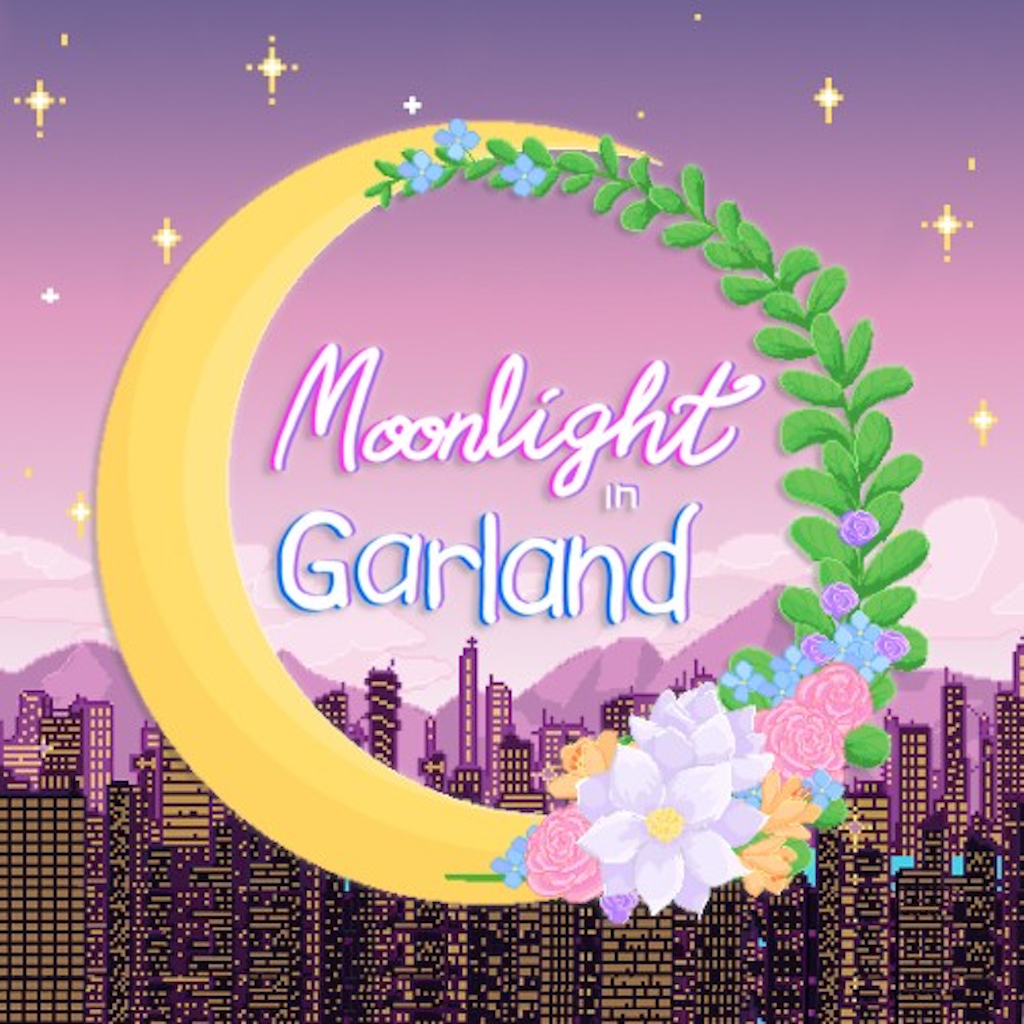
Life simulators have long been defined by pastoral escapes—the gentle rhythm of farming, the quiet charm of rural communities, and the comforting predictability of nature’s cycles. Moonlight in Garland takes that familiar concept and shifts it into something far less predictable: a bustling, slightly chaotic city where community is messy, progress is personal, and “cosy” comes with a healthy dose of absurdity.
It’s a bold change, and one that tends to work well. By replacing fields with flats and livestock with neighbours, Moonlight in Garland creates a distinct identity in an increasingly crowded genre. It’s a game that appreciates the appeal of slow living—yet also understands that modern life, even at its most relaxed, is rarely simple.
A City That Feels Lived In
From the moment you arrive in Garland, there’s a sense that this is a place already in motion. You’re not building a town from scratch; you’re stepping into an existing ecosystem, complete with its own quirks, issues, and personalities.
Choosing an apartment building is your first significant decision, and it sets the tone for your experience. Each of the four buildings offers its own story, layout, and community vibe, subtly shaping how you interact with the world. It’s an inspired approach, providing replay value while emphasising that where you live influences how you live.
Your apartment itself becomes a personal sanctuary. Decoration is flexible and forgiving—no looming penalties for experimentation—and the ability to personalise your space with plants, furniture, and design choices taps into the cosy core of the experience. There’s a quiet satisfaction in watching your flat evolve alongside your life in the city.
Work, Weirdness, and the Gig Economy
Where Moonlight in Garland differs significantly from its rural counterparts is in its approach to work. There’s no single, central profession here. Instead, you build your income through a variety of part-time roles and odd jobs.
You might spend one day delivering packages, the next dabbling in stock trading, and another investigating suspicious activity as a morally flexible private eye. It’s an eclectic mix, and it mirrors the fragmented nature of modern urban employment quite well.
Some of these activities are more engaging than others. Delivery work, for example, offers a pleasant way to explore the city, while other jobs can feel more like brief diversions than fully developed systems. Still, the variety helps prevent monotony, and the game rarely pushes you into a single path.
Then there’s the game’s sense of humour—dry, offbeat, and occasionally delightfully strange. Whether it’s forming bonds through “mildly questionable crimes” or interacting with anthropomorphic recycling bins, Moonlight in Garland embraces its eccentricities without losing its emotional core.
Community and Connection
At the core of the game is its cast of 22 residents, 18 of whom can be romanced. Building relationships is a slow process, developing through events, conversations, and shared experiences. The writing here is one of the game’s strongest aspects, balancing humour with moments of genuine warmth.
Characters feel unique, with their own struggles and story arcs, and the game allows for a surprising amount of flexibility in how relationships evolve. You can commit, drift apart, or end things in spectacularly unconventional ways (skywriting break-ups being a particular highlight).
What makes Moonlight in Garland stand out is how it portrays these connections. Relationships aren’t just a checklist—they’re part of a wider community. Helping neighbours, taking part in local initiatives, and contributing to the city’s wellbeing all contribute to a sense of belonging that feels earned rather than assumed.
Time, Energy, and Balance
Like many life sims, the game features a system for managing time and energy. Activities use resources, and you’ll need to balance productivity with rest to avoid burnout. Though a familiar mechanic, it feels especially suitable in an urban environment.
The addition of both physical and mental energy introduces extra depth. It’s not just about how much you can do, but how you feel while doing it. Taking moments to relax—such as watching the city from your window—becomes as vital as completing tasks.
Items like “Buffins” provide temporary boosts, but they’re no substitute for proper balance. It’s a subtle yet effective way to encourage players to engage with the game’s themes of self-care and sustainability.
Activities and Exploration
Beyond work and relationships, Moonlight in Garland offers a wide range of activities. You can tidy up neighbourhoods, gather materials, contribute to the museum, fish, photograph wildlife, or simply wander the city.
The open-ended nature of these systems is both a strength and a weakness. On one hand, it allows players to shape their own experience, prioritising what they find most enjoyable. On the other, it can lead to a lack of clear direction, particularly in the early stages.
The city itself evolves over time, with new features and events introduced as development continues. This sense of growth is promising, though it also highlights the game’s ongoing nature. Some systems feel more complete than others, and there are moments where additional depth would be welcomed.
Presentation and Performance
Visually, Moonlight in Garland features a soft, stylised aesthetic that matches its tone. The city appears colourful without being overwhelming, and character designs strike a healthy balance between charm and uniqueness.
On Switch, performance is generally stable, although there are fleeting dips in busier areas. These moments are short and rarely disruptive, but they are noticeable enough to mention.
The soundtrack is gentle and unobtrusive, offering a calming backdrop to daily life. It doesn’t demand attention but effectively enhances the overall atmosphere.
Where It Falters
As a solo-developed project, Moonlight in Garland inevitably has some rough edges. Certain systems lack depth, and the balance between activities isn’t always consistent. The open-ended structure, while liberating, can also feel aimless at times.
There’s also a sense that the game is still finding its footing. With ongoing updates planned, it’s clear that this is a living project—but that also means the current experience can feel slightly unfinished in places.
Final Verdict
Moonlight in Garland offers a refreshingly different approach to the life simulation genre, celebrating the complexity and charm of city living without losing sight of what makes these games comforting. Its emphasis on community, flexibility, and small, meaningful acts gives it a unique personality—one that feels both modern and profoundly human.
Although it doesn’t always provide the same level of polish or depth across all its systems, its ambition and sincerity carry it forward. This is a game that recognises that life isn’t about grand achievements, but about the collection of small moments—helping a neighbour, decorating a room, finding your place in a crowded world.
It may still be developing, but even now, Moonlight in Garland offers something special: a cosy experience that feels truly alive.