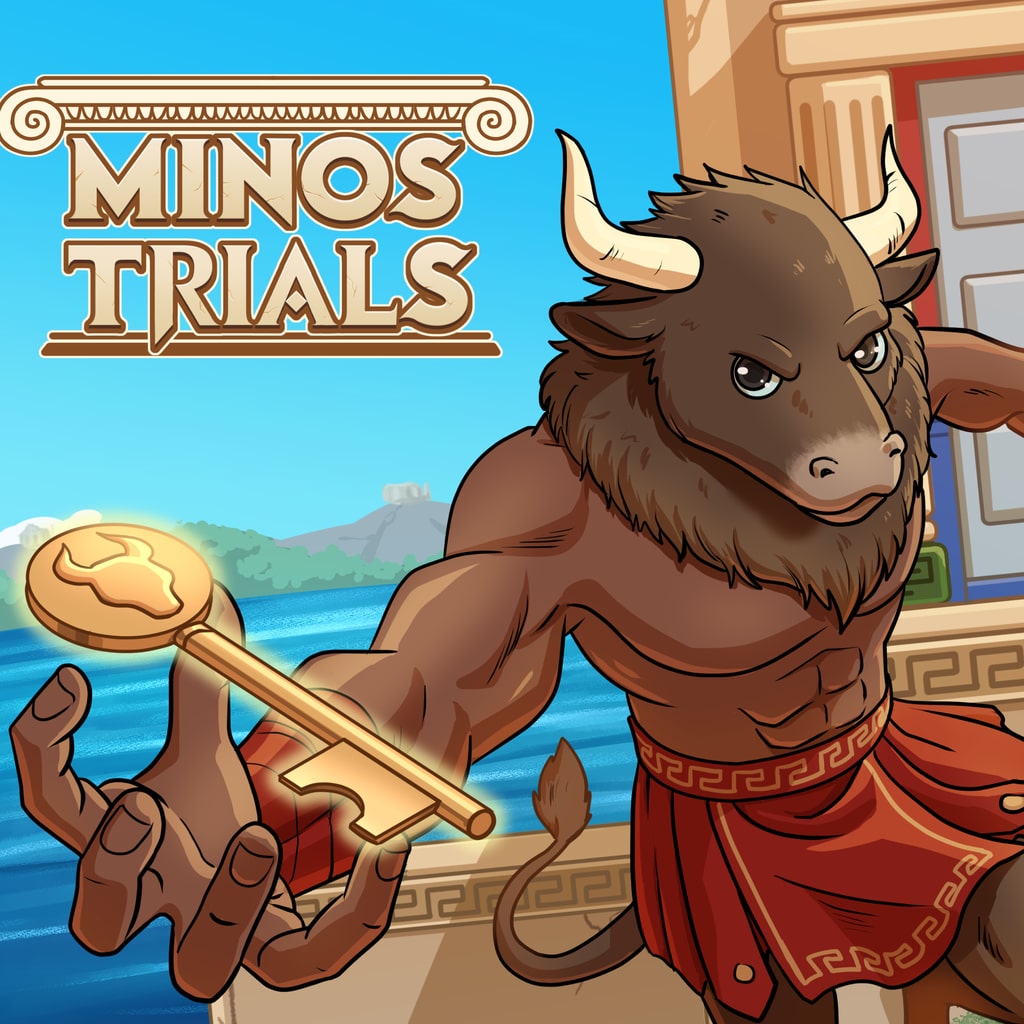
In a crowded market of action-adventure and roguelike hybrids, Minos Trials stakes a bold claim: a deeply tactical roguelike dungeon crawler that blends classic Greek mythic atmosphere with brutal, rewarding gameplay. From its unforgiving labyrinths to its strategic combat and evolving build diversity, this is a game that demands your full attention — and delivers satisfaction in equal measure.
Minos Trials isn’t afraid to make players work for every triumph. Its learning curve is steep, its encounters are merciless, and its secrets are well hidden. Yet, for those willing to embrace its precise challenge, the result is one of the most compelling action roguelikes in recent memory — one that strikes a thoughtful balance between depth, accessibility, and enduring replay value.
A Mythic Narrative That Enhances the Journey
Rather than telling a sprawling tale, Minos Trials weaves its narrative through environment, enemy design, and mission briefings. You play as a warrior tasked with navigating the fabled labyrinth of Minos — an ever-shifting maze filled with nightmares, puzzles, and guardians. Echoes of Greek mythology swirl through every corner: fragments of prophecy, pantheon-touched weapons, and foes drawn from legend.
The story never overwhelms. Instead, it acts as a thematic anchor — familiar yet mysterious — giving context to the trials and imbuing each room with a sense of purpose. It’s the kind of storytelling that doesn’t interrupt the flow of play but deepens it; narrative flourishes are rewards to be uncovered as players progress, not obstacles to be slogged through.
Gameplay — Precision, Choice, and Lethal Beauty
At its core, Minos Trials is a roguelike action adventure built on interconnected systems: combat, equipment progression, skill synergy, and labyrinth exploration. What sets it apart isn’t a single revolutionary idea, but rather the harmonious integration of mechanics that reward mastery.
Combat — Tactical, Fair, and Brutally Rewarding
Combat in Minos Trials is fast but precise. Enemy attacks are telegraphed with clarity, but they punish mistakes harshly. There is no room for button mashers here. Instead, every swing, dodge, and special ability must be deliberated.
- Timing matters.
- Positioning matters.
- Patience matters.
Dungeon guardians, minotaurs, spectral archers, and chthonic beasts all require unique approaches. Some enemies bait you into traps; others overwhelm with numbers. Each encounter feels like a carefully designed trial, and success — especially against minibosses or dungeon lords — feels earned.
Skill Trees and Build Diversity
One of the game’s greatest strengths is the depth of its build system. Players aren’t merely grinding the same progress loop; they’re crafting unique playstyles. Swordplay may focus on bleeding damage and parries; magic users might craft intricate spell combos; stealth builds can turn evasion into punishment.
Skill trees are robust without being overwhelming. Each run offers meaningful decisions: enhance your core strengths, pursue synergistic talents, or gamble on unconventional builds that reshape how you navigate combat. This variety fuels Minos Trials’ longevity — no two runs feel quite the same.
Labyrinth Design — A Puzzle Wrapped in Combat
Exploration is more than a series of rooms stitched together. The labyrinth shifts subtly over time — layouts are procedurally generated in a way that feels intelligent rather than random — and each section tells its own tale of danger and discovery.
Environmental hazards — collapsing floors, pressure plates, shifting walls — keep you alert. Puzzle rooms provide welcome breaks from combat while still demanding sharp thinking. These elements prevent the game from feeling monotonous.
Yet, Minos Trials avoids the trap of derivative sameness. Each biome — sunken catacombs, overgrown temples, obsidian corridors — boasts distinct aesthetics, enemy rosters, and environmental mechanics that keep exploration engaging.
Progression and Reward — Steep, But Never Hollow
Roguelikes live or die by their progression systems, and Minos Trials thrives here.
Each run yields permanent upgrades — shards, tokens, and lore fragments that unlock new weapons, abilities, and stat modifiers. Death is not a setback but a step forward; even failed runs enrich your arsenal and expand your strategic options.
However, these upgrades don’t trivialise the challenge. They enhance your toolkit, but enemies scale wisely, ensuring the core tension remains intact. This balance between progression and challenge is a hallmark of effective roguelike design, and Minos Trials nails it.
Visual and Audio Presentation — Stylish Elegance Meets Ferocity
Minos Trials isn’t a showcase of photorealism, but it doesn’t need to be. Its aesthetic is best described as stylised mythic grit — sharp, atmospheric, evocative. Textures and lighting evoke the deep mystery of ancient ruins, while character and enemy designs feel drawn from scrolls of myth and nightmare.
Visual clarity in combat is excellent. Particle effects embellish every spell, strike, and impact without obscuring action. Enemy animations — especially bosses — are fluid and expressive, making telegraphed attacks readable and fair.
The audio design enhances immersion. A haunting orchestral score underpins dungeon exploration, swelling during intense combat encounters. Sound cues provide feedback for enemy tells and successful combos alike. The blend of audio and visuals creates a rhythm of tension and release that enhances every trial.
Challenge and Accessibility — Rewarding, Not Alienating
The reputation of roguelikes can intimidate newcomers, but Minos Trials manages accessibility well. Tutorials are concise and helpful, teaching core mechanics without feeling heavy-handed. Difficulty ramps logically: early encounters build foundational skills, and the game gradually introduces complexity.
Still, this is not an easy title. Expect frequent deaths, and expect to learn from them. But for players patient enough to absorb the game’s lessons, each victory — especially against dungeon bosses — feels not just satisfying, but earned.
That said, some players may find the difficulty steep early on. But as with many great roguelikes, persistence cultivates mastery. The sense of triumph after clearing a particularly punishing gauntlet is one of the game’s greatest rewards.
Replay Value — Endless Trials, Ever-Evolving Strategies
Minos Trials thrives on replay value. With its procedural labyrinth layouts, diverse skill trees, and unlockable progression paths, the temptation to launch just one more run is constant. Experimenting with different builds, exploring deeper labyrinth segments, and mastering boss strategies give the game enduring life beyond its initial hours.
Leaderboards, challenge modes, or optional daily trials — if present — further enhance long-term engagement, though even without them the core loop is addictive enough to carry countless sessions.
Where It Could Improve
No game is perfect. A few areas where Minos Trials could polish include:
- Pacing spikes: Difficulty can jump suddenly between zones, which may frustrate some players.
- Narrative integration: The mythic lore is compelling but could be woven more deeply into gameplay pacing.
- Key guidance: Some optional quests or hidden rooms are rewarding but lack clear hints, leading to aimless exploration.
None of these detract significantly from the overall experience, but refining them could elevate the game even further.
Final Verdict — A Mythic Challenge Worth Facing
Minos Trials is a riveting blend of tactical combat, engaging progression, and labyrinthine wonder. It’s a game for players who enjoy challenge with purpose — where every failure builds knowledge, and every victory feels earned. Its thoughtful mechanics, atmospheric presentation, and rich replay value make it one of the most compelling roguelikes of its generation.