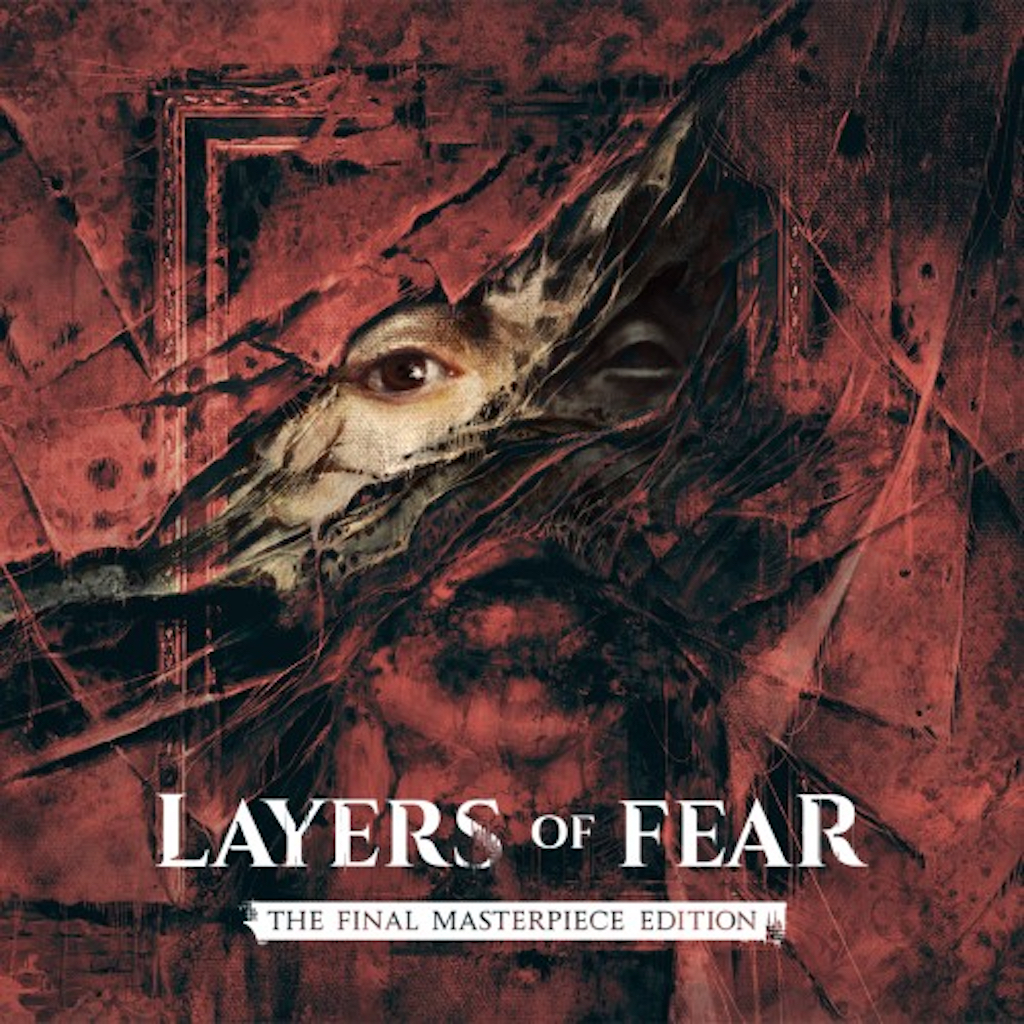
Layers of Fear: The Final Masterpiece Edition represents one of the most ambitious reinterpretations of its franchise to date — a comprehensive reimagining of the acclaimed psychological horror experience. Designed to draw players into an unsettling narrative that blurs the lines between reality and artistic obsession, this edition blends immersive atmosphere, evocative storytelling, and refined mechanics to deliver a haunting exploration of guilt, creativity, and the fragility of the human psyche.
Where earlier entries in the series struck a chord with their unpredictable environments and emphasis on psychological disorientation, The Final Masterpiece Edition builds upon those foundations with enhanced visuals, restructured pacing, and a more coherent narrative architecture that better likens the experience to an interactive horror film.
This is not a game of jump scares and adrenaline spikes. It is a slow-burn exploration of terror that lingers in the player’s mind long after the screen goes dark.
Premise and Narrative: Madness in Brushstrokes
The game places players in the role of a troubled artist — a painter consumed by the desire to create what he believes will be his magnum opus. As you return to your Victorian mansion studio after a hiatus, you soon discover that nothing is as it seems. The mansion warps, corridors lengthen, paintings distort, and reality itself seems to unravel.
Unlike traditional horror games that rely on monsters or explicit threats, Layers of Fear derives tension from ambiguity and implication. Much like a psychological thriller novel or arthouse horror film, the fear arises from the unknown, the incomplete, and the suggestive. The mansion becomes a living canvas, reacting to the protagonist’s memories, fears, and unresolved trauma with every step forward.
The narrative unfolds not through exposition dumps, but through environment, fragmented dialogue, and carefully placed audio logs. The game trusts the player to piece together its story, and this trust pays dividends: the sense of discovery strengthens the emotional resonance of each revelation.
Atmosphere and Immersion: Horror Through Ambience
One of the standout qualities of The Final Masterpiece Edition is its atmosphere. Every room, hallway, and gallery gallery feels meticulously crafted to disturb. Lighting is used with deliberate care — flickering bulbs, shifting shadows, and unnatural darkness work together to create unease without cheap theatrics.
Ambient sound plays an equally pivotal role. Footsteps echo unnervingly, distant creaks suggest unseen movement, and the score — sparse but effective — accentuates key moments without overwhelming silence. Sound cues are precisely calibrated: sometimes a whisper, sometimes a sudden cacophony, but always evocative of presence rather than spectacle.
Visual design reinforces this mood. The mansion’s interior feels like a character in its own right — peeling wallpaper, warped portraits, and shifting corridor geometry all contribute to a world that is familiar in outline but alien in detail. As the story progresses, the environment becomes progressively less anchored to physical logic, reflecting the artist’s deteriorating grasp on reality.
The Final Masterpiece Edition particularly benefits from updated graphics and lighting fidelity. Textures and atmospheric effects — subtle fog, reflective surfaces, and shadow play — add depth to environments without pulling attention away from the narrative at hand.
Exploration and Pacing: Build, Unravel, Reveal
Gameplay in Layers of Fear is predominantly exploratory. There are no complex combat systems, no inventory micromanagement, and no skill trees. Your tools are observation, memory, and patience.
The game’s pacing is both its strength and its most divisive feature. Initial segments start deliberately slow: you walk, observe, and absorb. There are occasional interactive prompts — open a drawer, examine a canvas, listen to a voice recording — but these exist to enhance storytelling rather than introduce mechanical challenges.
This slow pace allows tension to accumulate organically. The game excels at making players feel watched, uncertain, and off-balance. Moments of visual distortion — a room that subtly changes when you look away, a painting that wasn’t there before — feel both sinister and earned. The mansion itself constantly expands into new wings and galleries, and each transition feels like a step deeper into the protagonist’s deteriorating psyche.
However, this approach will not appeal to all players. Those expecting a continuous stream of threats, puzzles, or gripping mechanical complexity may find the experience sedate. In Layers of Fear, horror is psychological rather than visceral, and the experience rewards engagement with mood over moment-to-moment action.
Narrative Strengths and Thematic Depth
While unravelling the story, players encounter elements that explore artistic obsession, familial relationships, and memory distortion. The protagonist’s inner turmoil is revealed through fragmented dialogue, visual metaphors, and nuanced environmental storytelling. Each room acts like a tableau: it reveals more about the painter’s history, regrets, and motivations with increasingly dreamlike imagery.
The narrative treats themes of guilt, regret, and creation with subtlety. The horror never feels gratuitous; rather, it acts as a mirror to human frailty. What makes the story linger is not just what is revealed, but the psychological implication of each revelation — how personal history can warp perception, and how the search for perfection can lead to self-destruction.
The Final Masterpiece Edition does well to structure these revelations so they evolve logically, allowing players to form emotional connections with the protagonist’s journey, even when the world around him dissolves into surreal abstraction.
Visual and Audio Polishes
This edition benefits from upgraded visuals and performance enhancements. Lighting, in particular, elevates mood and spatial awareness: warm, burned light suggests memory; stark switches highlight tension; shadows become narrative cues rather than mere decoration.
Animations are smooth and atmospheric; even the protagonist’s footsteps and idle postures subtly reinforce a frenetic psychological state. Visual distortions — walls bending, textures flickering — are used sparingly and with purpose, preventing them from losing impact through overuse.
Audio design is intimate and unsettling. Score elements are minimal, but they appear exactly when needed, defining emotional transitions from curiosity to dread. Environmental audio — distant whispers, distortion in silence — enhances player immersion without resorting to cheap tricks.
Accessibility and Audience Fit
Layers of Fear: The Final Masterpiece Edition is best suited to players who appreciate:
- Narrative-driven experiences
- Atmospheric horror over jump scares
- Psychological tension and slow-burn progression
- Exploration and environmental storytelling
Gamers seeking fast-paced action, challenging puzzles, or continuous threat engagement may find the experience less immediately rewarding. However, for those willing to settle into the narrative and embrace the game’s intentional pacing, the reward is a compelling blend of mood, mystery, and emotional resonance.
Accessibility options — such as adjustable text, control aids, and camera settings — ensure a broader range of players can engage with the story comfortably.
Minor Flaws and Areas for Improvement
Despite its many strengths, The Final Masterpiece Edition does have a few limitations:
- Pacing Susceptibility: Some players may find extended quiet periods too slow or too ambiguous.
- Limited Interactivity: The lack of mechanical depth can feel like a missed opportunity for players craving puzzle exploration or more engagement.
- Predictable Beat Structure: Seasoned psychological horror gamers might predict some transitional beats or environmental tricks.
None of these significantly detract from the experience, but they do mark the game as one that prioritises feel and theme over mechanical diversity.
Final Verdict
Layers of Fear: The Final Masterpiece Edition is a refined, atmospheric psychological horror experience that excels in mood, storytelling, and emotional impact. Its slow-burn approach, expert use of environmental design, and narrative depth make it one of the more compelling entries in the genre. While its deliberate pacing and minimalist mechanics will not appeal to all players, those inclined toward immersive narrative horror will find this edition richly rewarding.