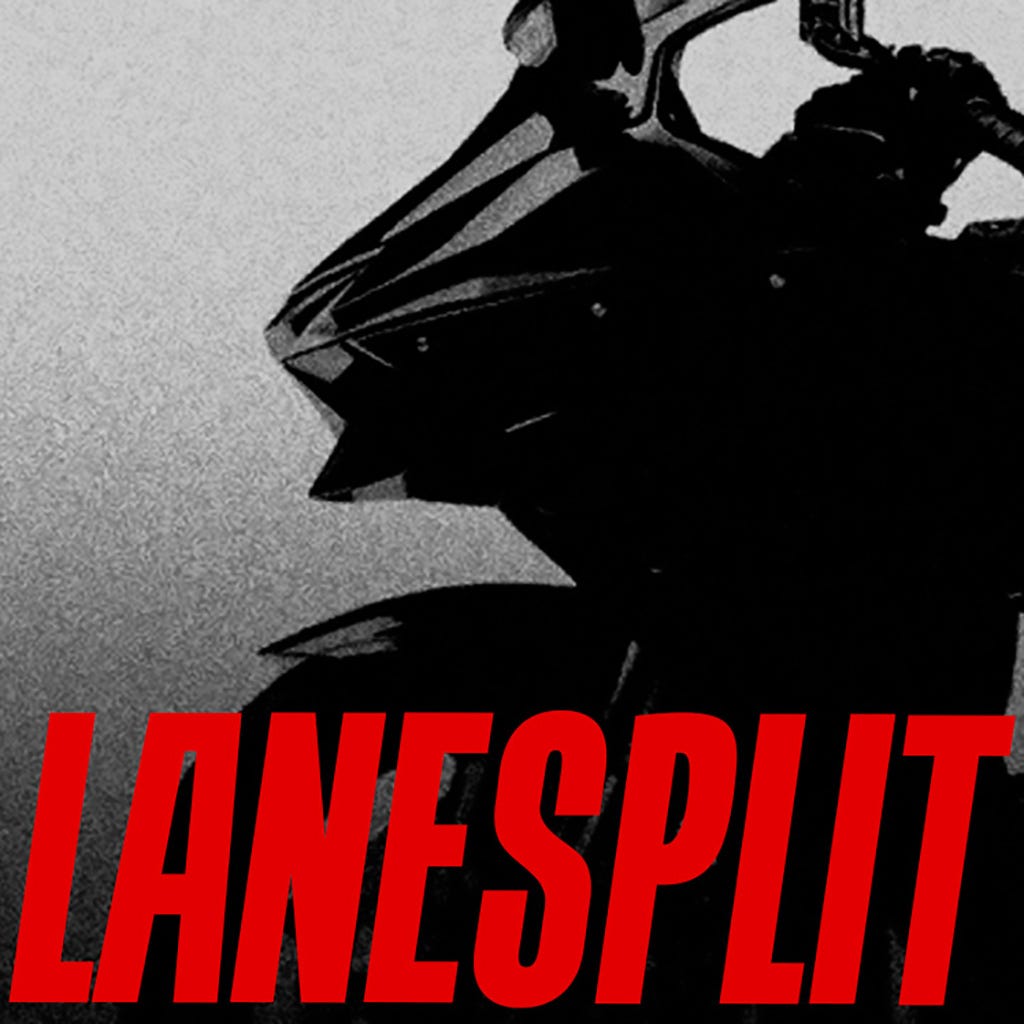
Speed in video games is a tricky illusion. Many titles claim to be fast, yet few truly communicate the gut-tightening sensation of threading a needle at 180 mph with nothing but asphalt and bad decisions between you and oblivion. LANESPLIT, the solo-developed motorcycle sim from FunkyMouse, understands that speed isn’t just a number on a HUD—it’s sound, physics, fear, and rhythm. The result is a focused, exhilarating racer that feels less like a traditional driving game and more like a controlled act of madness.
Living Between the Lines
The core concept is beautifully simple: weave a high-performance sportbike through dense traffic at illegal velocities without turning yourself into road paste. There are no missiles, no rival takedowns, no narrative excuses—just you, the throttle, and a highway full of unpredictable commuters who definitely did not consent to being part of your adrenaline journey.
From the first seconds it’s clear that LANESPLIT is obsessed with momentum. Cars drift lazily between lanes, 18-wheelers create rolling walls of steel, and sudden merges force split-second decisions. Success depends on anticipation rather than memorization; the traffic behaves with enough variability that every run feels dangerously alive.
Multiple locales keep the scenery fresh: sun-baked downtown freeways, twisting mountain turnpikes, and postcard ocean roads. Each environment subtly alters visibility and flow, making route choice as important as reflexes.
Physics You Can Feel in Your Teeth
Developer Shakya’s claim that the game was built to “communicate true speed” isn’t marketing fluff. The bike handling strikes a convincing balance between simulation and accessibility. Lean angles matter, braking distances feel authentic, and small steering corrections ripple through the chassis.
Crucially, the sense of velocity comes from more than raw numbers. Motion blur stretches the horizon, wind noise howls as you cross thresholds, and the camera trembles just enough to suggest imminent disaster without becoming unreadable. When you slip cleanly between two trucks with centimeters to spare, your shoulders actually rise.
Weather adds further texture. Dry pavement encourages reckless top-speed runs, while rain transforms every maneuver into a negotiation with traction. Suddenly the safe line is different; patience matters as much as bravado.
Modes for Every Mood
LANESPLIT smartly offers two primary attitudes:
- Rush Hour Mode – dense traffic mazes designed to test reaction time and risk assessment. This is the heart-pounding core, where leaderboards feel earned with blood pressure.
- Zen Mode – near-empty highways for pure flow-state cruising, perfect for learning tracks or simply enjoying the sensation of movement.
The contrast prevents fatigue. After a brutal series of crashes in Rush Hour, slipping into Zen mode feels like therapy—yet the temptation to push just a little faster always returns.
Fifteen distinct sportbikes provide meaningful variety. Each has physics-accurate attributes—top speed, weight, braking response—encouraging experimentation rather than cosmetic choice. Customizable helmets and clothing add personality without cluttering the clean design.
Drum, Bass, and Asphalt
Audio design deserves special mention. A drum-and-bass soundtrack dynamically swells with acceleration, creating a feedback loop between ears and throttle. Hit a perfect run and the music becomes a jet engine; crash and everything cuts to embarrassed silence. It’s manipulative in the best possible way.
Vehicle sounds are equally expressive: the rising whine of engines, the doppler slap of passing mirrors, the horrifying crunch when confidence exceeds talent. LANESPLIT treats crashes not as failure screens but as punctuation marks in a kinetic sentence.
Where the Road Gets Bumpy
For all its purity, LANESPLIT’s narrow focus can also be a limitation. There’s no career structure, no narrative wrapper, and progression is largely score-driven. Players seeking elaborate championships or deep customization may find the package thin.
Traffic AI, while impressively organic, occasionally produces unfair situations—instant lane changes that feel more spiteful than realistic. Long sessions can also blur together; without varied objectives, motivation relies heavily on personal mastery.
Visuals are functional rather than lavish. The game prioritizes clarity and performance over spectacle, which suits the design but won’t compete with big-budget racers.
The Solo Dev Miracle
Knowing this is the work of a single developer adds context. LANESPLIT has the disciplined identity often missing from larger productions: one clear idea executed relentlessly. There’s no feature bloat, just a laser focus on making “going fast” feel intoxicating.
And it works. Few racers capture that motorcycle fantasy of illegal freedom—the fantasy of becoming a rumor in someone else’s rear-view mirror.
Final Verdict
LANESPLIT is a love letter to velocity: lean, loud, and unapologetically dangerous. It may not offer sprawling modes or cinematic gloss, but what it does deliver—a near-perfect sense of speed—is rare and precious. For players willing to measure success in inches rather than story beats, this is one of the most thrilling rides on PC.