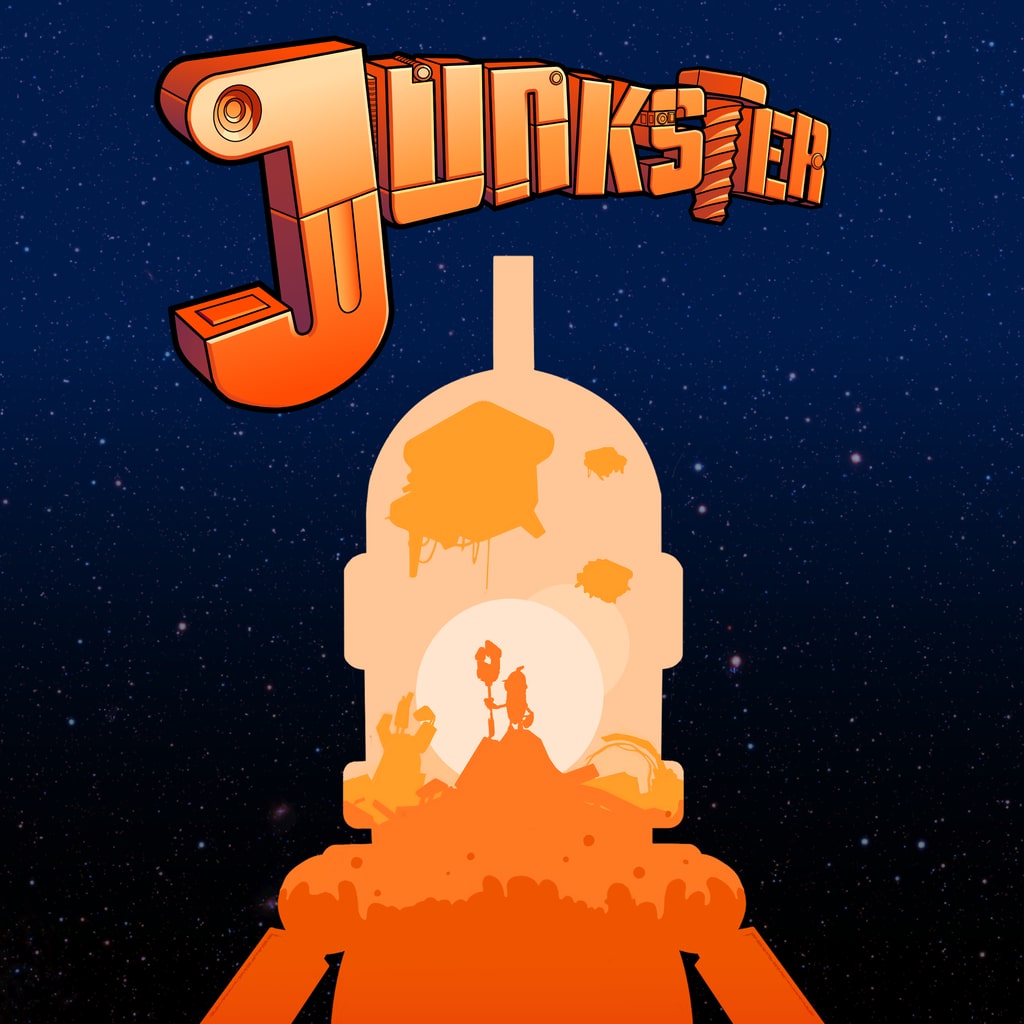
There is something inherently appealing about turning rubbish into treasure. For decades, platforming heroes have explored magical kingdoms, ancient ruins, and distant galaxies in search of shiny collectables. Junkster takes a different route. Instead of pristine fantasy landscapes or futuristic utopias, it drops players on a planet overflowing with discarded machinery, twisted metal, and forgotten junk. Surprisingly, it works.
Developed by Dundee-based Stormcloud Games, Junkster is a colourful 3D action platformer that blends traditional exploration with a construction mechanic that sets it apart from many of its contemporaries. With a visual style inspired by classic American comic books from the 1980s, it delivers an adventure filled with charm, creativity, and genuine fun. While some rough edges prevent it from becoming a genre-defining classic, there is plenty to admire beneath the piles of scrap.
One Robot’s Trash Is Another Robot’s Treasure
The story centres on UM-13, affectionately known as Um, a small construction bot whose life takes a dramatic turn when an intergalactic cargo ship crashes on a dangerous junkyard planet. Stranded far from home with valuable cargo, Um must search the sprawling wasteland for ship components, recover precious human artefacts, and somehow find a way back into space.
It is a straightforward setup, but Junkster wisely understands that not every platformer needs an epic tale with world-ending stakes. Instead, the narrative embraces a light-hearted Saturday morning cartoon energy. Um does not speak, yet his expressive animations and determined personality make him instantly likeable. Watching this tiny robot face overwhelming odds with little more than a wrench and a can-do attitude gives the adventure a surprising amount of heart.
The comic book presentation further enhances the experience. Levels are presented as individual “issues,” creating the feeling that players are progressing through an ongoing serial adventure. It is a simple touch, yet it helps the game stand out in a crowded genre.
Building A Better Adventure
What truly separates Junkster from many modern platformers is its construction system. While collecting items and jumping across obstacles remains central to the experience, building solutions from scavenged junk becomes equally important.
Throughout the game, Um discovers piles of scrap that can be dismantled and repurposed into useful machinery. These creations range from makeshift bridges and launch pads to cranes and other mechanical contraptions designed to help navigate the planet’s dangerous environments. Rather than simply finding a key to open a door, players often need to consider how best to utilise available materials to create their own path forward.
The system is approachable for younger players while still offering enough variety to remain engaging throughout the campaign. Solving environmental puzzles through construction feels rewarding because success comes from active participation rather than simply locating a hidden switch.
There are occasional moments when placing components feels slightly awkward. Some building sections require careful positioning, and the controls can become a little fiddly when precision is needed. Fortunately, these frustrations remain relatively minor. More often than not, constructing a solution feels satisfying and gives the game a distinctive identity that many platformers struggle to achieve.
Exploring A World Built From Waste
The junkyard planet itself is an excellent playground for exploration. Every area is packed with discarded technology, hidden pathways, and collectible secrets waiting to be uncovered. Rather than guiding players down a rigid linear path, Junkster encourages curiosity.
Blue crates, hidden blueprints, and valuable artefacts are scattered throughout the environments, rewarding those willing to investigate every corner. Exploration rarely feels like busywork because the world constantly teases the possibility of finding something useful or interesting.
The level design strikes a pleasant balance between accessibility and discovery. New players can comfortably follow the main objectives without getting lost, while completionists have plenty of opportunities to venture off the beaten track. This creates a welcoming experience that respects players’ time while still rewarding thorough exploration.
The pacing also deserves praise. Levels are divided into manageable chunks that rarely overstay their welcome. This structure makes the game easy to enjoy in shorter sessions while maintaining a satisfying sense of progression.
Wrenching Through Combat
Combat is not the primary focus of Junkster, but it performs its role competently. Armed with his trusty robo-wrench, Um battles a variety of enemies, including hostile trash mutants and rogue robots on the planet.
Encounters are intentionally straightforward. Most fights centre on timing attacks, avoiding incoming damage, and managing small groups of enemies. The combat never reaches the complexity of dedicated action games, yet it complements the exploration and building mechanics without becoming a distraction.
This simplicity may leave some players wanting more depth. Veteran platforming fans might wish for additional combat abilities or more varied enemy behaviour as the game progresses. However, the combat’s approachable nature aligns perfectly with the game’s overall design philosophy.
Junkster is not interested in punishing players. It wants them to enjoy exploring, building, and discovering. The combat supports that vision rather than dominating it.
A Comic Book Brought To Life
Visually, Junkster is one of the game’s strongest assets. The cel-shaded art style immediately captures attention, evoking the bold colours and exaggerated designs of vintage comic books. Every environment bursts with personality, despite being built almost entirely from rubbish.
Character animations are particularly impressive. Um’s movements feel expressive and energetic, helping players connect with the little robot despite his lack of dialogue. Enemy designs are equally memorable, transforming piles of junk into surprisingly creative adversaries.
The visual presentation also benefits from strong environmental variety. While the entire adventure takes place on a junkyard planet, the developers find numerous ways to keep locations visually distinct. Industrial scrapyards, towering mechanical structures, and sprawling waste fields each have their own identity.
The soundtrack complements the visuals well. The music maintains a playful, adventurous tone throughout the journey without becoming repetitive. Sound effects provide satisfying feedback, especially during construction sequences and combat encounters. Together, the audiovisual presentation creates an inviting atmosphere that remains consistently enjoyable.
A Family-Friendly Platforming Adventure
Perhaps Junkster’s greatest strength is its accessibility. In an era when many platformers chase ever-greater difficulty, Stormcloud Games has crafted an experience designed to be enjoyed by players of all ages.
The forgiving difficulty curve ensures younger players can progress without excessive frustration. At the same time, exploration, collectables, and building mechanics provide enough engagement to keep older players invested. It occupies a comfortable middle ground that many family-friendly games struggle to find.
There are moments when experienced platforming veterans may wish for greater challenge or more intricate mechanics. Yet it feels unfair to criticise the game for not pursuing goals it never set out to achieve. Junkster knows exactly what kind of experience it wants to deliver, and it largely succeeds.
Final Verdict
Junkster is not trying to compete with the giants of the 3D platforming genre. Instead, it carves out its own identity through creativity, charm, and a genuinely enjoyable construction system. The blend of exploration, light puzzle-solving, accessible combat, and comic-book presentation delivers an adventure that feels refreshingly different without becoming overly complicated.
Its building mechanics occasionally feel clumsy, and some players may crave deeper combat or more demanding platforming challenges. Even so, these shortcomings do little to diminish the game’s undeniable appeal. Stormcloud Games has created a warm, welcoming world filled with personality, and spending time with Um quickly becomes hard to resist.
For players seeking a colourful, family-friendly adventure that values imagination as much as action, Junkster proves that one robot’s trash can indeed become another player’s treasure.