
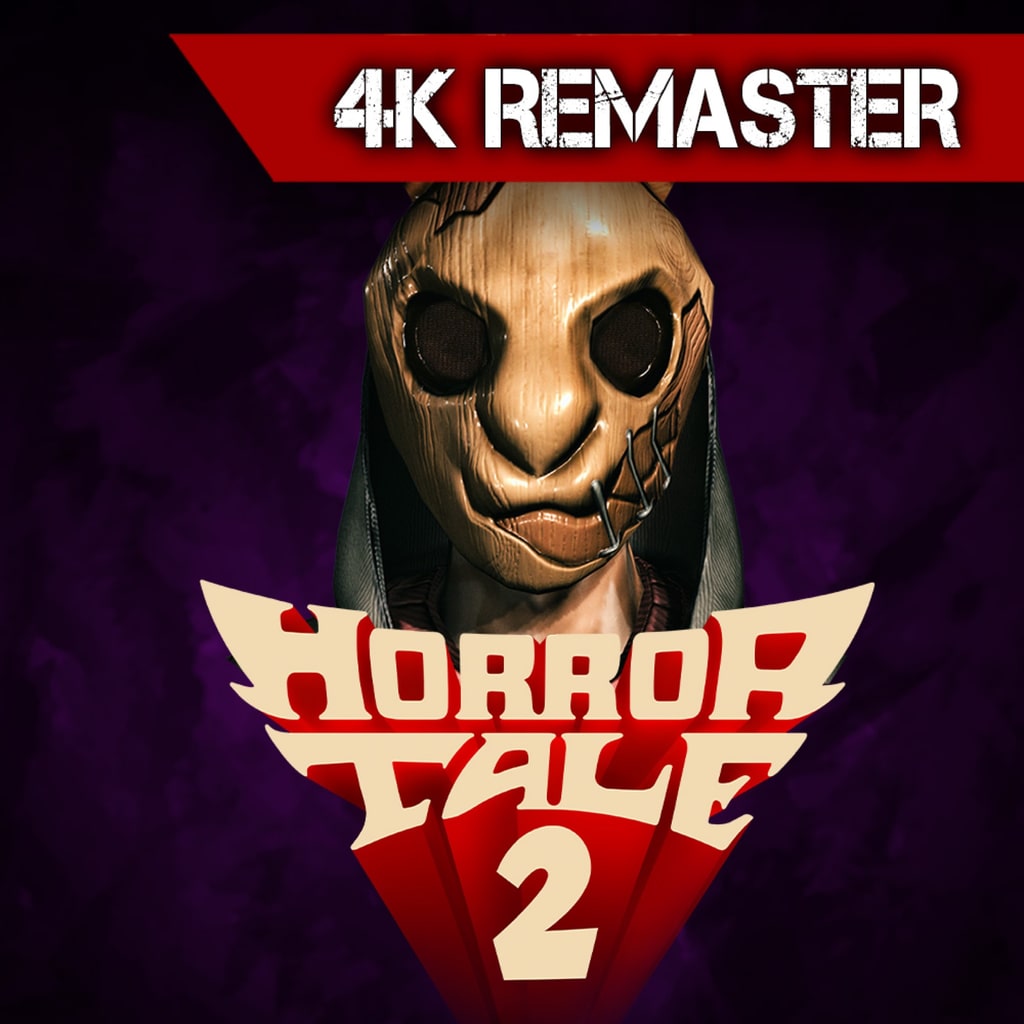
Games with “horror” in the title promise frights, but Horror Tale: Remaster goes a step further: it immerses you in them. This isn’t a chain-saw setpiece fest, nor a parade of jump scares stitched together for shock value. Horror Tale: Remaster aims for a creeping, colonial-era psychological dread that builds slowly and stays with you long after you’ve set the controller down. It revisits the original Horror Tale — a cult classic of atmospheric horror — and refreshes it with improved visuals, tighter controls, expanded lore, and refined pacing that make this the definitive way to experience this haunting story in 2026.
In a genre that often prioritises spectacle over substance, Horror Tale: Remaster is a reminder that existential fear — the fear of the unknown — can be far more powerful than any grotesque monster jump-cutting into view.
A Story of Shadows and Secrets
Horror Tale: Remaster opens in the desolate mountain village of Blackthorn Ridge — a settlement forgotten by time and obscured by a perpetual fog that seems to leak dread into every crevice. You play as Elara Whitlock, a historian drawn to the village by cryptic journals from her missing mentor. These journals speak of a malignant presence known only as “The Watcher” and hint at ancient rites and forbidden knowledge buried beneath the town’s crumbling architecture.
The first thing that strikes you is how Horror Tale grounds its horror not in grotesque spectacle, but in narrative tension. From whispered rumours about disappeared children to the unsettling stillness that greets every abandoned house, the game builds unease through storytelling and environment. It’s a slow burn that honours horror’s literary lineage — the fear of what you don’t know and what you can’t see.
The remaster expands on the original script, fleshing out Elara’s motivations and threading deeper folklore through every line of dialogue. NPCs — scarce though they are — feel lived-in and layered: the retired doctor who never leaves his clinic, the anxious librarian obsessed with missing tomes, the stoic woodcutter with secrets of his own. These characters are not just exposition dumps; they are anchors that make Blackthorn Ridge feel like a place with history.
Atmosphere Over Action
If there’s a through-line to Horror Tale: Remaster, it’s that atmosphere is the true antagonist. From the moment you step off the rickety train into Blackthorn Ridge, every gust of wind and creaking floorboard is weighed with implication. The fog seems almost sentient, blackening at the edges of your vision and mocking you with shapes that may — or may not — move when you blink.
The remaster’s sound design is nothing short of masterful. Footsteps echo differently depending on surface and distance, whispers phase in and out of eerie silence, and ambient wind carries with it subtle, unsettling tones that make you question whether you really heard that. Music is used sparingly, opting instead for silence and ambient noise that enhance tension rather than dictate emotional beats.
Contrary to many contemporary horror titles, Horror Tale: Remaster doesn’t rely on cheap scares. Most threats aren’t telegraphed by loud stingers or sudden camera movements. Instead, the dread builds through isolation and suspense: a door slowly creaking open by itself, a distant child’s laughter that fades as you approach, a reflection in a mirror that doesn’t quite match your movements.
Exploration Designed to Unsettle
Gameplay revolves around exploration, environmental puzzles, and investigation. Blackthorn Ridge isn’t overly large, but it’s labyrinthine in its design — every corner, cellar, and collapsing staircase feels deliberate. You’ll collect notes, relics, journal entries, and cryptic symbols that piece together not just the lore of the village, but also Elara’s emotional journey.
Puzzles in Horror Tale: Remaster are intuitive without being trivial. Many require observation and memory rather than pixel-hunting or inventory guesswork. Symbols etched into walls might match carvings in a tome; a sequence of bells might echo a clue whispered in conversation — forcing you to pay attention to both environment and narrative.
The remaster includes quality-of-life enhancements over the original: an improved map system, optional hints that don’t spoon-feed solutions, and smoother inventory management. These don’t dilute the challenge, but they ensure that frustration never overwhelms immersion.
Visuals: Beauty in Dread
The original Horror Tale was limited by the hardware of its time; this remaster pushes the visuals into 2026 with subtlety and mood. Blackthorn Ridge is rendered in striking detail: moss-covered stone walls glisten with condensation, old letters are tinted with age and smudged ink, and fog drifts with a weight that feels almost tangible.
Lighting is the game’s secret weapon. Dynamic shadows stretch unnervingly, candlelight flickers with anxious imperfection, and corridors plunge into darkness where your lantern’s beam barely reaches. The result is a world that feels dangerous simply because you can’t see everything at once.
Character animations have been polished as well. Elara’s nervous breath, hesitant footsteps, and startled reactions to unfamiliar sounds all convey vulnerability — an important design choice that makes danger feel real and personal.
Threats Without Sight
If Horror Tale: Remaster has antagonists, they’re as enigmatic as they are terrifying. The Watcher — an entity spoken of in fragmented lore — rarely appears directly. Instead, its presence is felt through environmental distortion, fleeting reflections, and impossible shadows that don’t align with any physical object.
This design choice — to make the threat implied rather than shown — is both the strongest and most divisive element of the game. Long stretches unfold without a defined enemy in sight, yet every sound and silhouette conspires to make you feel hunted. For some players, this will be electrifying, the kind of horror that gets under your skin. For others, it may feel slow or anticlimactic when a tangible antagonist doesn’t manifest in expected form.
But this is intentional. Horror Tale isn’t about defeating monsters — it’s about confronting the unknown and wrestling with dread that cannot be fully understood or seen.
Accessibility and Difficulty
Horror Tale: Remaster is built for exploration, not twitch reactions. There are no combat tutorials, weapon stats, or skill trees to track. Your survival tools are limited — a lantern, occasional flares, and environmental objects. How you use them — and when — is as much about instinct as strategy.
There are difficulty settings, but they mostly affect things like resource scarcity and hint availability rather than core content. If you want the strongest narrative experience with guidance, accessibility options ensure puzzles remain logical but not frustrating. For players seeking maximum dread, a “Nightmare” mode dims visibility further and cuts back on available clues, amplifying tension.
While some may miss combat sequences or action peaks, the focus here on exploration and suspense makes those absences intentional rather than omissions.
Verdict
Horror Tale: Remaster isn’t a horror blockbuster — it’s a psychological journey through fear itself. With atmospheric dread that builds slowly, smart puzzles that reward attention rather than aggression, and a haunting narrative that lingers long past the credits, this is horror done deliberately and thoughtfully.
It demands patience, composure, and a willingness to let unease take hold. If you crave horror that feels like horror rather than looks like it, this remaster is an exceptional experience.









[…] stealth mechanics and an unfolding mystery set in a seemingly quiet American town. Starting with Horror Tale 1: Kidnapper and continuing through Horror Tale 2: Samantha, the story has steadily expanded its narrative about […]