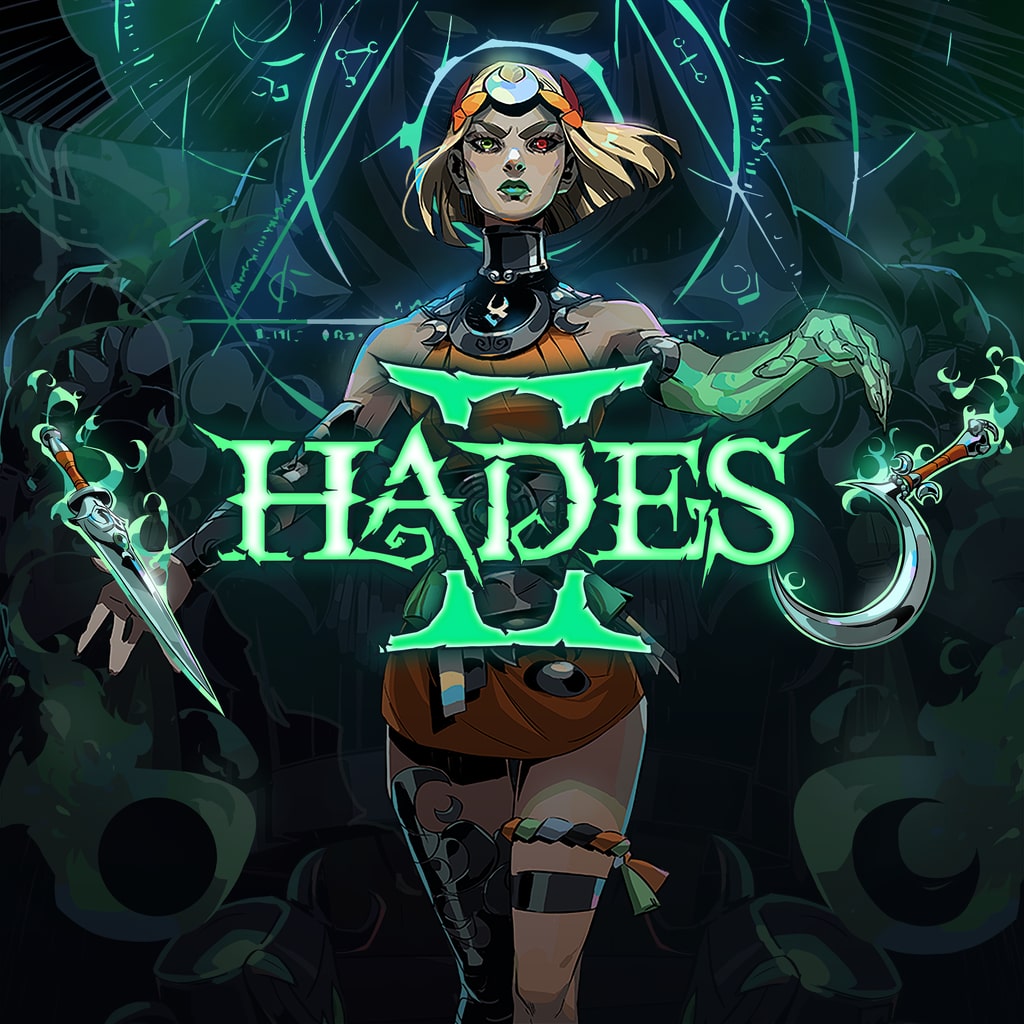
Sequels are rarely easy—especially when they follow something as widely celebrated as Hades. Supergiant Games didn’t just create a hit with the original; it crafted one of the defining roguelikes of its generation. So when Hades II arrived on the Nintendo Switch 2 last year, expectations were sky-high. Now, with its April 2026 PlayStation 5 and Xbox Series X|S debut—bolstered by Patch 2, 120FPS support, and additional content—it feels like the right moment to ask: does lightning strike twice?
The answer is a resounding yes—but not without a few caveats.
“Hades II doesn’t just follow a legend—it reshapes it, trading brute force for precision, and rebellion for ritual.”
A New Protagonist, A New Kind of Power
Where the original Hades centred on Zagreus’ rebellious escape from the Underworld, Hades II shifts focus to Melinoë, Princess of the Underworld and a witch-in-training with a far more deliberate purpose: defeating Chronos, the Titan of Time.
This isn’t just a narrative swap—it’s a philosophical one. Zagreus was impulsive, reactive, and scrappy. Melinoë is methodical, ritualistic, and precise. That shift is reflected in every aspect of the game, from combat to progression systems.
Storytelling remains one of Supergiant’s greatest strengths. Once again, narrative progression is woven seamlessly into repeated runs. Failure is never just failure—it’s development. Characters evolve, relationships deepen, and the world expands with every attempt.
The writing is sharp and often witty, but it carries a slightly darker, more introspective tone this time around. Themes of inevitability, time, and resistance lend the story a weight that distinguishes it from its predecessor.
Combat: Faster, Smarter, More Demanding
If Hades was about speed and aggression, Hades II is about control.
Combat remains fast-paced but demands more thought. Melinoë’s arsenal—known as the Weapons of Night—feels distinct and versatile, each encouraging a different playstyle. Whether you favour ranged spellcasting, close-quarters strikes, or hybrid builds, the game rewards experimentation.
The introduction of witchcraft mechanics is the real game-changer. You’re no longer just reacting in combat—you’re preparing for it. Spells, hexes, and resource management add a strategic layer that elevates encounters beyond simple reflex tests.
Boons from the Olympian gods return, now with an expanded roster that includes figures like Apollo. The sheer variety of build combinations is staggering, allowing deeply personalised playstyles.
Combat feels tighter than ever, especially on PS5 and Xbox Series X|S, where the 120FPS mode makes everything buttery smooth. On PlayStation 5, DualSense haptics add a subtle but effective layer of feedback, making each strike and spell feel tangible.
A World That Keeps Expanding
Structurally, Hades II retains the roguelike loop of its predecessor while significantly expanding its scope.
Runs take you beyond the Underworld into new regions, each with distinct visual identities, enemy types, and mechanical twists. The level design feels more varied, with encounters that frequently introduce new challenges rather than relying on familiar patterns.
The Altar of Ashes serves as a central progression system, allowing you to unlock permanent upgrades that shape your long-term strategy. Meanwhile, new systems such as familiars and resource-gathering tools add layers of progression outside combat.
These additions give the game a stronger sense of continuity between runs. You’re not just getting better—you’re building something.
Characters, Relationships, and Replayability
One of the original Hades’ standout features was its character work, and Hades II builds on that foundation beautifully.
The cast is larger, more diverse, and just as compelling. New characters blend seamlessly with returning faces, creating a world that feels both familiar and fresh. Fully voiced interactions remain a highlight, with performances that lend emotional depth and personality to every exchange.
Relationships evolve organically over time, with new dialogue and story beats unlocked by your actions. It’s a system that encourages replayability not through obligation but through genuine curiosity.
You want to keep playing—not just to win, but to see what happens next.
The “Olympian Legacy” and Patch 2 Enhancements
The 2026 console release doesn’t just bring Hades II to new platforms—it enhances it.
The addition of “Olympian Legacy” items introduces new build options, adding even more variety to an already rich system. Patch 2 also includes quality-of-life improvements that streamline progression and reduce friction, particularly in resource management and menu navigation.
Individually, these changes may seem minor, but collectively they refine the experience in meaningful ways. This feels like the definitive version of Hades II—polished, expanded, and confident in its identity.
The Xbox Game Pass launch also ensures accessibility for a wider audience, making it easier than ever to dive in.
Presentation: Supergiant at Its Peak
Visually, Hades II is stunning. Supergiant’s signature hand-painted style returns, now enhanced with more detailed environments and smoother character animations.
Each region feels distinct, brought to life by colour, lighting, and environmental storytelling. The world’s richness makes every run visually engaging, even after dozens of hours.
The soundtrack is, unsurprisingly, exceptional. Blending atmospheric tones with high-energy compositions, it perfectly complements the game’s shifting pace. It’s the kind of score that doesn’t just support the action—it defines it.
Where It Falters
For all its strengths, Hades II isn’t flawless.
Its increased complexity, while largely a positive, may feel overwhelming to newcomers. The added systems—witchcraft, resource management, and familiars—can take time to master, particularly compared with the original’s more immediately accessible design.
There’s also a sense that some players may prefer Zagreus’ more straightforward, action-driven style. Melinoë’s methodical approach, while deeper, is less instantly gratifying.
Finally, while the game offers immense variety, its core loop remains familiar. If you didn’t connect with Hades, this sequel is unlikely to change your mind.
Final Verdict
Hades II is a rare sequel that understands exactly what made its predecessor special—and then dares to evolve it.
It’s deeper, more complex, and more ambitious, trading simplicity for nuance without losing the addictive core that defined the original. The 2026 console release, complete with performance enhancements and new content, cements its status as one of the finest roguelikes available today.
This isn’t just more Hades. It’s a bold reimagining of what the series can be.