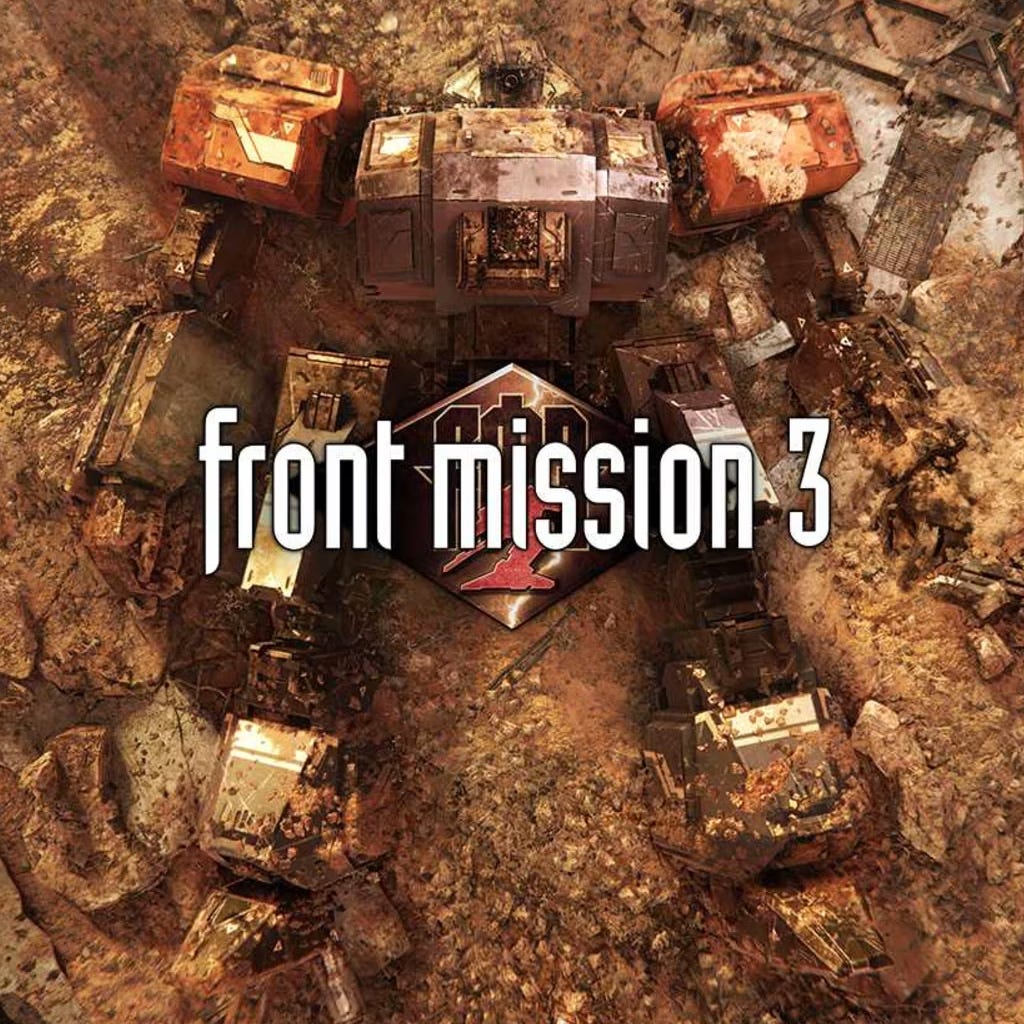
There’s a particular weight that comes with remaking a game like FRONT MISSION 3. Originally released during a golden age of tactical RPGs, it’s a title remembered not just for its methodical, mech-driven combat, but for its ambition—branching narratives, political intrigue, and a grounded, often unsettling take on warfare in a technologically accelerated future. FRONT MISSION 3: Remake, published by Forever Entertainment, steps into that legacy with a careful balance of reverence and modernization, aiming to preserve what made the original beloved while sanding down its rougher edges for contemporary audiences.
For the most part, it succeeds—though not without reminding us just how dense and deliberate classic tactical RPG design can be.
A World Defined by Wanzers and Power
Set in a near-future world where global politics are shaped by towering mechs known as Wanzers, FRONT MISSION 3: Remake wastes little time establishing its tone. This is a world of military escalation, corporate manipulation, and blurred ethical lines, where technological progress is both a solution and a threat. You step into the role of Kazuki Takemura, an ordinary young man whose life is upended after a routine delivery to a military base spirals into international conflict.
From that inciting incident, the game presents its defining choice: align with Kazuki’s sister Alisa, or follow Emma Klamsky, an operative investigating the shadowy M.I.D.A.S. weapons project. This early decision splits the game into two distinct storylines, each offering different perspectives on the same global crisis.
It’s an elegant narrative structure, even by modern standards. Rather than branching endlessly, FRONT MISSION 3 commits fully to each route, reshaping character dynamics, pacing, and thematic focus. One path leans more heavily into familial loyalty and national identity, while the other emphasizes espionage, corporate overreach, and the moral cost of secrecy. Both routes converge on similar questions—how far is too far when security is at stake?—but arrive there from meaningfully different angles.
Political Drama with Teeth
What sets FRONT MISSION 3 apart from many tactical RPGs is its refusal to romanticize conflict. There are no clear heroes here, only people making decisions under pressure in a world where the consequences are rarely clean. Dialogue can be verbose, but it’s purposeful, steeped in military jargon, ideological clashes, and uneasy alliances.
The remake wisely preserves this density. While the pacing may feel slow to players accustomed to more streamlined narratives, there’s a refreshing confidence in how much the game trusts its audience. It expects you to pay attention, to remember names, factions, and motivations. In return, it delivers a story that feels grounded and intellectually engaged, rather than melodramatic.
Kazuki himself is an effective lens for this chaos—not because he’s exceptional, but because he isn’t. His reactions feel human: confusion, loyalty, frustration, and gradual resolve. Surrounded by soldiers, engineers, and operatives with their own agendas, he becomes a believable anchor in an otherwise sprawling geopolitical narrative.
Tactical Combat That Still Demands Respect
On the battlefield, FRONT MISSION 3: Remake remains unapologetically tactical. Combat unfolds in turn-based encounters where positioning, weapon loadouts, and part targeting are paramount. Wanzers can be customized extensively, with individual limbs housing different weapons, each capable of being damaged or destroyed independently.
This system remains one of the series’ greatest strengths. Battles aren’t just about depleting health bars; they’re about disabling threats, managing risk, and making calculated trade-offs. Do you focus fire on an enemy’s weapon arm to reduce damage output, or go for the legs to limit mobility? Every decision carries weight.
The remake introduces a new Quick Combat mode, allowing players to jump straight into battles with less downtime. It’s a welcome addition that respects modern expectations without undermining the core experience. Purists can still savor the deliberate pace, while newcomers have an on-ramp that feels less intimidating.
Modern Touches, Old-School Soul
Visually, FRONT MISSION 3: Remake benefits from improved graphics and smoother animations. Wanzers are more detailed, battle effects are clearer, and environments feel cleaner without losing their industrial grit. This isn’t a radical visual overhaul, but it doesn’t need to be. The updates are functional, enhancing readability and immersion rather than reinventing the aesthetic.
The reorchestrated music deserves special mention. The original soundtrack’s militaristic tones and somber melodies have been reinterpreted with care, adding depth without overwhelming nostalgia. It reinforces the game’s serious tone and complements the long stretches of strategic planning and story exposition.
Customization also gets a subtle boost with new camo options for Wanzers. While largely cosmetic, it adds a layer of personalization that helps squads feel distinctly yours, especially over the course of a lengthy campaign.
Friction Points and Fidelity
That said, FRONT MISSION 3: Remake doesn’t fully escape the friction of its era. Menus can feel dense, information-heavy screens demand patience, and the game rarely holds your hand. Tutorials explain systems, but mastery still requires investment. For players new to the genre—or to older tactical RPG design—this can be a hurdle.
Additionally, while the two-storyline structure adds replay value, the sheer length of each route may make fully experiencing both feel daunting. This is a game that asks for commitment, not casual sampling.
Yet these limitations are also part of its identity. To smooth them away entirely would risk losing what makes FRONT MISSION 3 distinct.
Final Thoughts
FRONT MISSION 3: Remake is a respectful, confident revival of a tactical RPG classic. It preserves the complexity, thematic ambition, and strategic depth that defined the original, while introducing just enough modern conveniences to make it accessible without dilution. Its story remains as relevant as ever, grappling with questions about power, technology, and responsibility that still resonate today.
For longtime fans, this remake feels like a careful restoration rather than a reinvention. For newcomers willing to engage with its deliberate pace and layered systems, it offers a rich, rewarding experience that stands apart from more streamlined modern tactics games.
This is strategy with substance—and it’s still worth commanding.