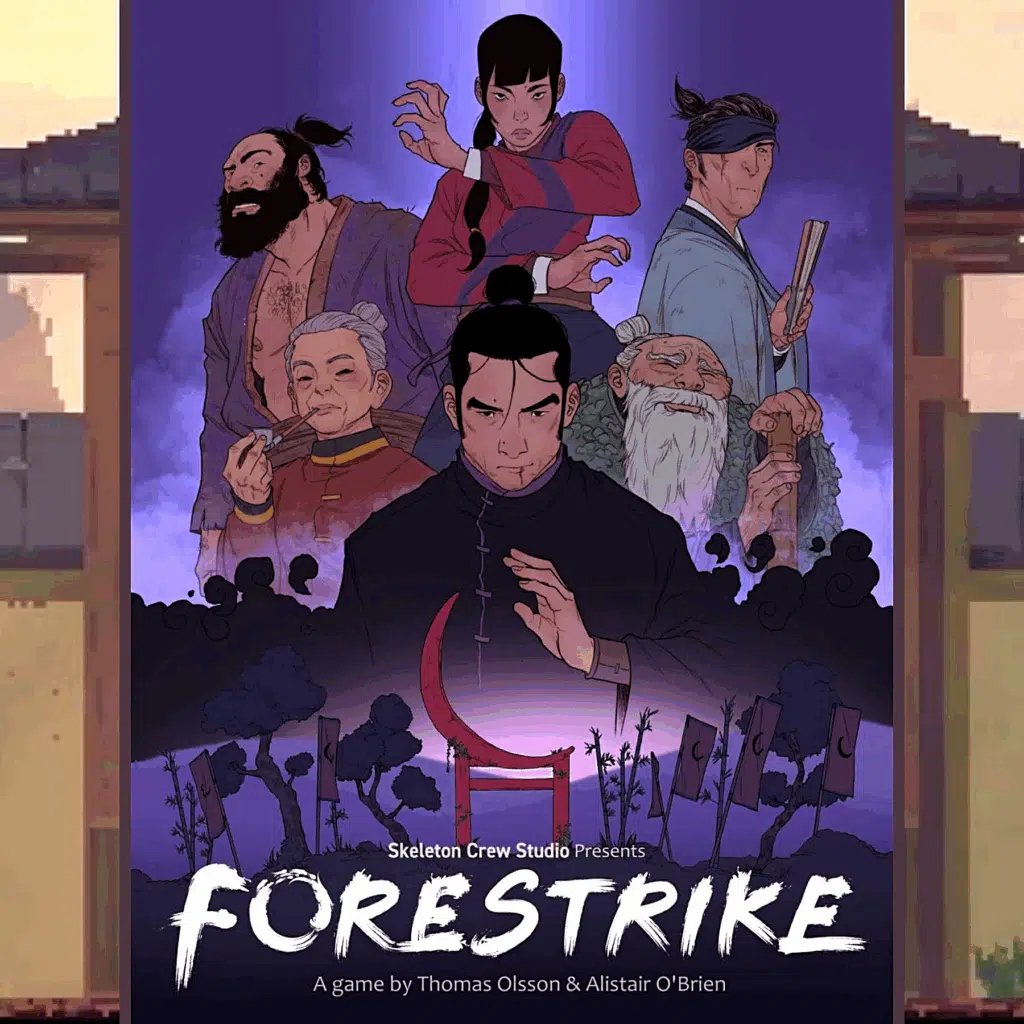
Tactical shooters have long balanced the line between strategy and reflex-driven combat, and Forestrike, developed by NovaEdge Studios, aims squarely at that sweet spot. Mixing squad-based planning with fast-paced action, the game challenges players to think carefully about every engagement while still rewarding precise execution. Set in a series of volatile conflict zones around the globe, Forestrike combines realistic military simulation with accessible gameplay mechanics, offering both a tense single-player campaign and competitive multiplayer modes that keep the adrenaline high.
At its core, Forestrike is a squad-focused tactical shooter. Players assume control of a specialized unit, each member with unique abilities, weapons, and equipment. The campaign introduces missions gradually, teaching the basics of movement, cover mechanics, and combat while layering in environmental hazards, stealth opportunities, and enemy AI tactics. From rescuing hostages in urban environments to clearing heavily fortified compounds in dense jungles, the game offers a wide variety of mission types that keep the gameplay fresh.
The AI in Forestrike is impressive. Enemies coordinate in small teams, take cover intelligently, flank players when possible, and respond dynamically to the player’s actions. No encounter feels truly repetitive because the AI adapts; a room you cleared perfectly on one run may present a completely different challenge the next time. This unpredictability keeps players on their toes and ensures that success relies on both planning and situational awareness.
Squad management is another key component. Players issue commands to teammates, positioning them in cover, ordering suppressive fire, or having them breach and clear rooms. Effective use of squad abilities—such as smoke grenades, drone reconnaissance, or medkits—is often the difference between mission success and failure. The interface for issuing commands is streamlined, allowing players to focus on tactics rather than cumbersome controls. While there is a learning curve, the depth of squad management rewards careful thought and experimentation, especially in higher-difficulty missions.
Combat mechanics are satisfying and responsive. Gunplay feels weighty without being cumbersome, and each weapon type has a distinct feel and purpose. Stealth and tactical positioning are often more effective than raw aggression, but the game never punishes players for taking calculated risks. Explosions, suppressed gunfire, and tactical gadget use all feel impactful, with clear audiovisual cues that enhance immersion. Enemy encounters are challenging without ever feeling unfair, creating a tense rhythm of planning, engagement, and adaptation.
The single-player campaign is supported by a strong narrative framework. Missions are tied together with a geopolitical storyline that, while not revolutionary, provides context and motivation for each operation. Characters in your squad are given personalities and short backstories, creating small but meaningful emotional stakes. While the story itself does not reach blockbuster heights, it does a solid job of motivating the player and framing the stakes of each mission.
Visually, Forestrike leans toward realism without sacrificing readability. Maps are detailed but not cluttered, with distinct cover points, clear sightlines, and varied terrain that influences combat strategy. Environmental hazards, destructible elements, and dynamic lighting enhance tactical possibilities. The art style prioritizes function over flash, ensuring that players can quickly understand and react to threats while still appreciating a polished, visually cohesive world. Particle effects, smoke, explosions, and bullet tracers all contribute to the sense of being in an active, dynamic battlefield.
Audio design is a standout feature. Sound cues provide critical tactical information, from distant enemy footsteps to gunfire direction and incoming artillery. Ambient noise, environmental sounds, and weapon effects create a fully immersive experience, and the game’s soundtrack underscores tension without ever feeling intrusive. Voice work for squad members is clear and functional, giving timely alerts, instructions, and reactions that make each encounter feel alive.
Multiplayer adds substantial replay value. Players can engage in competitive modes, from classic team deathmatch to objective-based capture and defend scenarios. Squad coordination, communication, and tactical skill are heavily rewarded, and the skill ceiling is high enough to appeal to hardcore tactical shooter fans. Balanced matchmaking and a variety of maps keep matches engaging, while customization options allow players to tailor their loadouts and appearance to fit their preferred playstyle.
Difficulty is well-tuned. Early missions are accessible, allowing new players to learn controls and mechanics, while higher-difficulty missions demand precise execution, strategic squad use, and quick thinking. The game’s challenge is satisfying rather than punishing, with each failure providing clear lessons and opportunities for improvement.
Minor drawbacks exist. Some environmental textures can feel repetitive, particularly in urban mission settings, and the story pacing occasionally slows during longer, dialogue-heavy sequences. Additionally, while the AI is generally strong, occasional pathfinding issues or unpredictable enemy behavior can lead to unexpected frustration. However, these issues are relatively minor and do little to detract from the overall experience.
Forestrike succeeds because it blends strategy and action in a way that is both accessible and deep. It rewards careful thinking, precise execution, and adaptability, while still delivering satisfying tactical combat. For fans of tactical shooters who enjoy balancing squad management with real-time combat, the game provides a tense, engaging, and polished experience.
Pros
- Deep squad-based tactical combat with meaningful decision-making
- Responsive and satisfying gunplay
- Adaptive and challenging AI that keeps encounters fresh
- Strong audio design and immersive soundscape
- Polished, readable visuals with functional map design
- Multiplayer modes with high replay value
Cons
- Some repetitive environmental textures
- Occasional AI pathfinding quirks
- Story pacing can slow during dialogue-heavy sequences
Verdict
A polished and tactical shooter that balances strategy, squad management, and action, offering both a challenging single-player campaign and engaging multiplayer experiences.