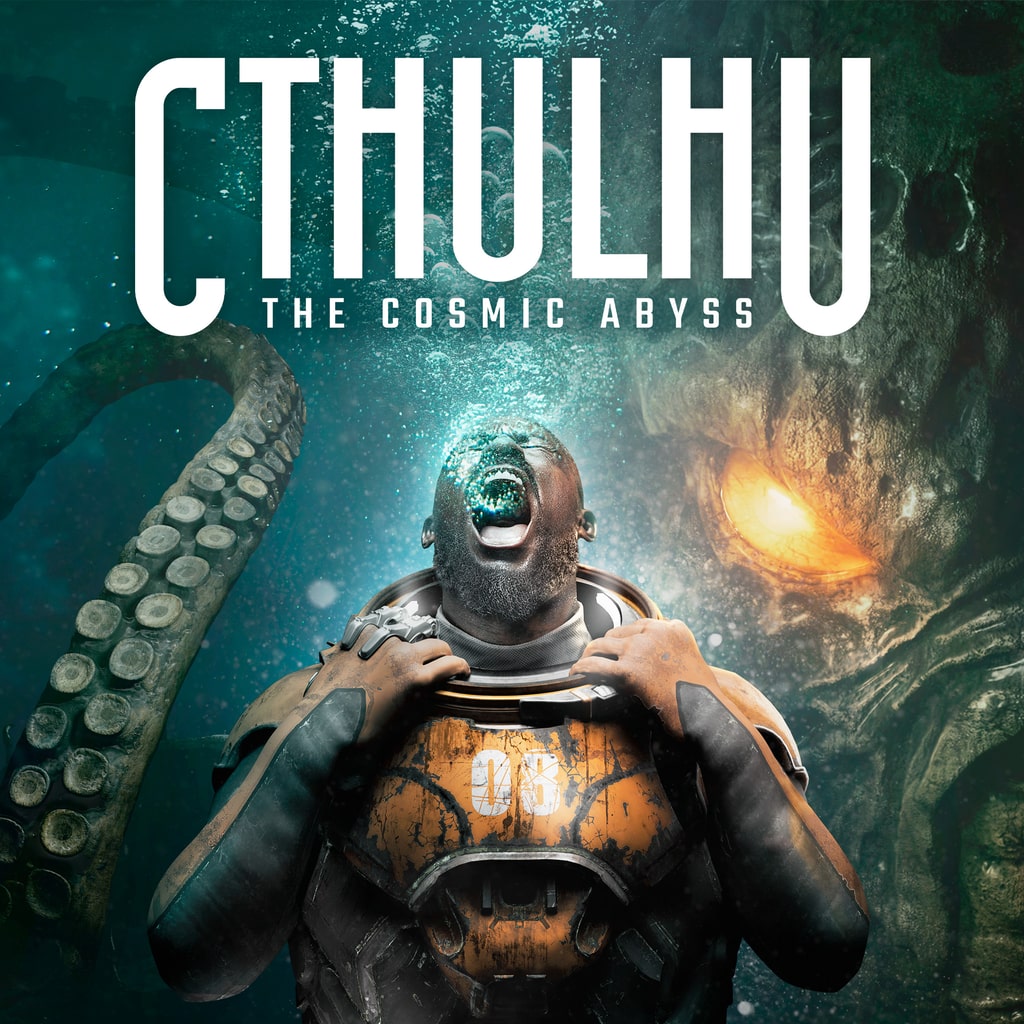
Cosmic horror is famously hard to bring to life in video games. The concepts of the unknowable, the incomprehensible, and the slow march of sanity slipping away are tough to translate into gameplay mechanics. Cthulhu: The Cosmic Abyss doesn’t shy away from that challenge. Instead, it dives headfirst into it, crafting a narrative-driven, first-person investigative horror experience that emphasizes atmosphere, psychological tension, and player interpretation over traditional action.
Released on April 16, 2026, for PC, PlayStation 5, and Xbox Series X|S, this Lovecraftian tale transports players to a haunting future where humanity’s desperation has led it to the darkest depths of the ocean. What begins as a slow, unsettling journey gradually reveals something far more disturbing than mere survival horror.
Story & Setting
Set in the year 2053, Cthulhu: The Cosmic Abyss paints a picture of a world hanging on the edge of collapse. Earth’s resources are nearly depleted, and powerful corporations are turning their gaze to the ocean floor. The premise feels surprisingly believable, which only makes what comes next more unsettling.
You step into the shoes of Noah, an investigator for Ancile, a secret division of Interpol dealing with the occult. His mission seems straightforward: find out what happened to a group of miners who vanished deep beneath the Pacific. But as Noah delves deeper, the boundaries of reality itself begin to unravel.
Central to the game is R’lyeh, the legendary sunken city from H. P. Lovecraft’s tales. Here, it’s reimagined through a futuristic lens—alien architecture intertwined with shifting, oppressive geometry. The city isn’t just a setting; it’s a living, breathing force that warps perception, distorts space, and slowly chips away at your grasp on what’s real.
The story is one of the game’s most compelling aspects. It unfolds through a mix of dialogue, environmental clues, and player discovery. Your choices do matter, often in subtle ways that shape your understanding of the unfolding events. The branching paths encourage exploration and thought, though sometimes they can feel a bit opaque, leaving you unsure of how your actions will impact the overall story.
Gameplay & Investigation
At its core, The Cosmic Abyss is a deeply immersive mystery. Instead of relying on action or combat, it pulls you into a world of exploration, deduction, and puzzle-solving. Noah isn’t a soldier; he’s an observer, carefully piecing together fragments of truth in a universe that seems designed to resist understanding.
Your main companion is Key, an AI that acts as both guide and confidant. Key provides helpful context, logs details, and occasionally offers insights into puzzles—never intrusive, always subtle. The relationship between Noah and Key adds emotional depth, especially as the game explores the fragile nature of perception and reality.
Puzzles form the heart of this experience. They challenge you from logical reasoning to environmental manipulation, demanding sharp observation and clever thinking. Some are brilliantly inventive, like interpreting strange symbols or navigating shifting structures. Others can feel a bit abstract, sometimes slowing down your progress when deciphering what’s asked.
The absence of traditional combat might surprise some. Encounters with strange entities lean towards avoidance, stealth, or endurance rather than direct fight. This design choice underscores themes of vulnerability and insignificance, though it might leave players craving more agency in confronting threats.
Sanity & Psychological Horror
What truly makes The Cosmic Abyss stand out is how it handles psychological horror. As Noah ventures deeper into R’lyeh, the game masterfully uses a sanity system that subtly shifts the experience—distorting visuals, creating audio hallucinations, and transforming environments to keep you constantly on edge.
This isn’t your typical horror filled with jump scares. Instead, it builds a slow, unsettling dread that infiltrates every corner of the game. Corridors shift when you’re not looking, sounds echo from impossible directions, and familiar spaces suddenly feel strange and menacing. The experience is deeply disorienting in a way that lingers.
What’s especially striking is how much the game trusts the player. It doesn’t bog you down with endless explanations about its mechanics or story. That restraint makes the horror feel more personal, more real. But it does come with a risk: players who prefer a clearer, more straightforward structure might find it a tad alienating.
World Design & Visuals
Powered by Unreal Engine 5, Cthulhu: The Cosmic Abyss really captures the eye. R’lyeh, the sprawling, twisting city, feels like it defies all logic — angles that don’t quite match, structures that seem both ancient and impossibly futuristic. The deeper you go, the more the environment melts into something almost abstract, pulling you into its surreal depths.
Lighting plays a huge role in setting the mood. Bioluminescent glows, deep ocean shadows, and flickering artificial lights weave together to create a layered visual experience that constantly shifts between awe and dread. Sometimes, the game feels almost peaceful — only to suddenly shatter that calm with something deeply unsettling.
Performance-wise, it mostly runs smoothly. You might notice the odd texture pop-in or a minor frame drop now and then, but these glitches hardly distract from the immersive atmosphere. Overall, it’s a haunting journey that sticks with you.
Audio & Atmosphere
The sound design in this game truly stands out. The deep, resonant hum of the ocean, the distant echoes of something moving through water, and the subtle distortions of voices all weave together to create a constant feeling of unease. The audio seamlessly blends with the sanity system, often making it hard to tell what’s real and what’s imagined.
The soundtrack is used sparingly, letting ambient noise take the spotlight and build atmosphere. When music does come in, it’s subtle yet unsettling, perfectly echoing the game’s dark tone without overpowering it.
The voice acting is compelling across the board. Noah’s increasingly strained delivery as the story unfolds adds a layer of intensity, while Key’s calm, measured tone offers a stark contrast—though even that begins to feel uncertain as the narrative progresses.
Replay Value & Choices
The branching narrative adds a nice touch of replayability. Making different choices can unlock new paths, hidden areas, and even multiple endings. Still, the differences between these routes can be pretty subtle, often relying on interpretation rather than completely changing the story.
For those who truly want to immerse themselves in the game’s rich themes and uncover all its secrets, playing through it multiple times can be incredibly rewarding. However, for some, a single playthrough might be enough to satisfy their curiosity and enjoy the experience.
Final Verdict
Cthulhu: The Cosmic Abyss isn’t a game for everyone. It’s slow, deliberate, and often deliberately obscure, placing atmosphere and storytelling above fast-paced action. Playing it requires patience and close attention.
But for those willing to accept its pace and approach, the game offers something truly unique. Its take on Lovecraftian horror feels genuine and thoughtfully crafted, never just a copy, and its focus on psychological tension creates moments that stick with you long after the session ends.
Of course, it’s not perfect. Pacing can drag, puzzles sometimes feel overly obscure, and the variety of mechanics isn’t its strongest suit. Still, the game’s strengths—particularly its immersive world and haunting atmosphere—are impossible to overlook.
This isn’t just a game about madness; it’s an invitation to experience it firsthand.