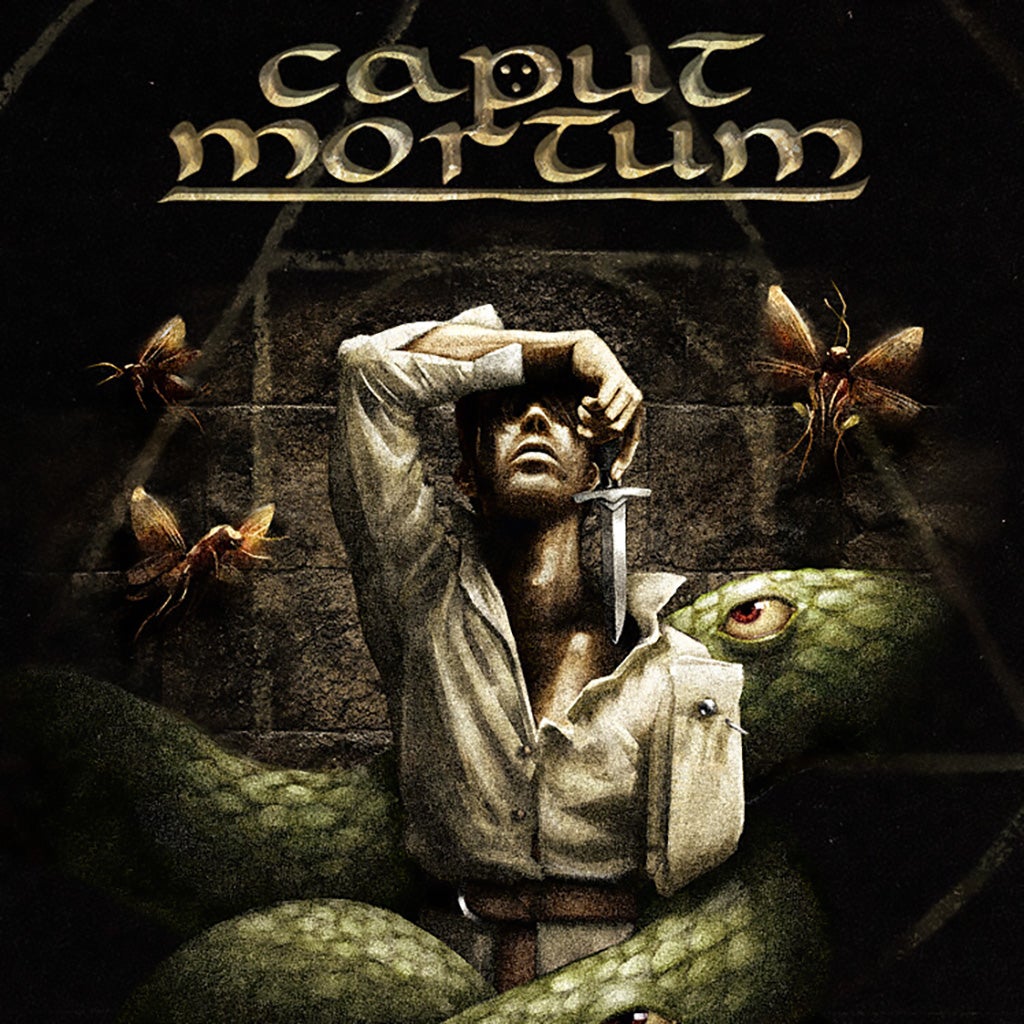
Some games aim to terrify. Others aim to challenge. Caput Mortum aims to consume, pulling the player into a bleak, atmospheric descent where mystery, ritual, and psychological dread intertwine. A slow-burn horror adventure with puzzle elements, environmental storytelling, and a deliberately oppressive tone, Caput Mortum stands out as an experience that favours tension and interpretation over action-heavy spectacle.
This is not a game filled with jump scares or shock-value grotesquery. Caput Mortum builds its fear through silence, through the cold weight of isolation, through questions that linger long after you’ve moved on. It is a game that sits under your skin—uncomfortable, unrelenting, but always compelling.
A Ritual, A Corpse, A Curse — And No Easy Answers
Caput Mortum opens with a stark sequence: a masked figure performing a ritual over a rotting effigy as chanting echoes through a dilapidated temple. The game wastes no time establishing its themes—death, rot, sacrifice, and the thin, brittle line between the material world and something much older.
You play as The Prodigal, a nameless wanderer drawn to a forgotten valley after experiencing recurring dreams of a decaying crown and an ancient corpse-king. What begins as a simple pilgrimage becomes a descent into occult mystery, where the boundary between dreams and waking reality dissolves and the true history of the valley unravels in fragmented, cryptic revelations.
Caput Mortum’s narrative is sparse but purposeful. Much of the storytelling unfolds through:
- murals and carvings hidden in collapsed structures
- whispered voices in dark hallways
- journal fragments left by prior pilgrims
- entities that speak in metaphor rather than clarity
It’s a world that trusts the player to piece together meaning without spoon-feeding exposition. Fans of games built on environmental storytelling and interpretive lore—titles like INSIDE, Amnesia, or Darkwood—will feel right at home.
Atmosphere: The Real Main Character
If Caput Mortum excels at one thing above all else, it is atmosphere.
The world is steeped in organic decay. Forests curl inward like dying lungs. Stone temples crumble under the weight of centuries. Rivers run thick with iron-red sediment. Every location feels abandoned yet watched, as though the valley itself has become a living witness to its own slow death.
Lighting plays a crucial role in shaping tone. Soft lantern glow reflects off damp stone. Pale moonlight cuts through mist-drenched ruins. When darkness falls fully, it becomes suffocating—almost physical.
The soundscape enhances the dread even more. Caput Mortum relies heavily on:
- distant moaning winds
- crumbling stone echoes
- muted footsteps
- ritualistic hums that drift through hallways
- a sparse, unsettling score built around deep bass drones and cracked percussion
It’s never loud, never showy—just persistent and unnerving. This is horror defined not by what leaps out, but by what lingers.
Exploration and World Design: Slow, Deliberate, Rewarding
Caput Mortum is not an open-world game, but its interconnected regions create a strong sense of spatial depth. Each area—grave tunnels, sacrificial altars, ossuaries, burial forests—contains secrets tucked into corners that reward careful observation.
Exploration is driven by two pillars:
- Environmental puzzles
- Lore discovery
Puzzles
Puzzles are organic and intuitive, rarely relying on abstract logic. They involve:
- aligning runic symbols
- manipulating light sources
- operating crumbling machinery
- deciphering ritual sequences
- navigating spaces based on subtle visual clues
Nothing feels out of place; puzzles are woven into the architecture of the world itself, lending a sense of authenticity to the mysteries you uncover.
Traversal
Movement is slow and weighty, reinforcing the oppressive tone. The Prodigal feels vulnerable—never helpless, but always cautious. Some areas require tools or ritual gifts to progress, creating a mild Metroidvania layer without ever feeling gamey or forced.
Gameplay: A Focus on Survival and Psychological Pressure
Caput Mortum is not a combat-heavy game. Combat exists, but sparingly—and only to reinforce vulnerability rather than empower the player.
Most confrontations serve narrative or atmospheric purpose:
- humanoid husks that flinch at torchlight
- blind, shambling creatures drawn to sound
- ritual guardians that cannot be defeated, only evaded
- illusions born from The Prodigal’s deteriorating psyche
These encounters are tense but not frustrating, relying on planning and observation rather than twitch reflexes.
Sanity System
One of the game’s more compelling mechanics is its sanity meter. It’s not a gimmick; it directly affects:
- perception
- puzzle solutions
- hallucinations
- the ending
- the reliability (or unreliability) of what you see
The more you push deeper into the valley and its rituals, the more unstable The Prodigal becomes—and the game reflects that visually and mechanically.
Visuals: Rot, Ruin, Ritual
Caput Mortum’s art direction is striking—rust tones, deep shadows, bone motifs, and grimy surfaces dominate the palette. The result is a look that is both beautiful and grotesque, a painterly style built around decay rather than flourish.
Creature design is equally impressive. The monstrosities aren’t flashy; they’re subtle, shrouded, quietly horrific in the way they twitch, whisper, or linger beyond torchlight.
Performance remains stable even in dense fog sequences and heavy particle scenes, and the visual storytelling is consistently rich.
Where Caput Mortum Stumbles
Despite its strengths, the game has a few notable drawbacks:
- Pacing dips mid-game, particularly in the crypt section which introduces backtracking that feels more repetitive than atmospheric.
- Minimal signposting may frustrate players who prefer clearer objectives.
- Sanity effects, while fascinating, are occasionally too aggressive, obscuring key clues.
- Character interactions are limited—the game’s solitude is intentional but might feel isolating in ways some players find less engaging.
These flaws don’t derail the experience, but they do prevent Caput Mortum from achieving masterpiece status.
Verdict: A Bleak, Beautiful Descent Into Ritual Horror
Caput Mortum is a triumph of mood, worldbuilding, and thematic clarity. It is horror done with patience and purpose—less concerned with shocking the player and more invested in unsettling them deeply. Its puzzles are thoughtful, its environments engrossing, and its lore rich enough to inspire discussion long after the credits roll.
It’s not for everyone. Action-seekers may find it slow. Puzzle newcomers may find it cryptic. But for players who enjoy atmospheric, cerebral horror steeped in ritualistic decay, Caput Mortum is one of the year’s standout experiences.