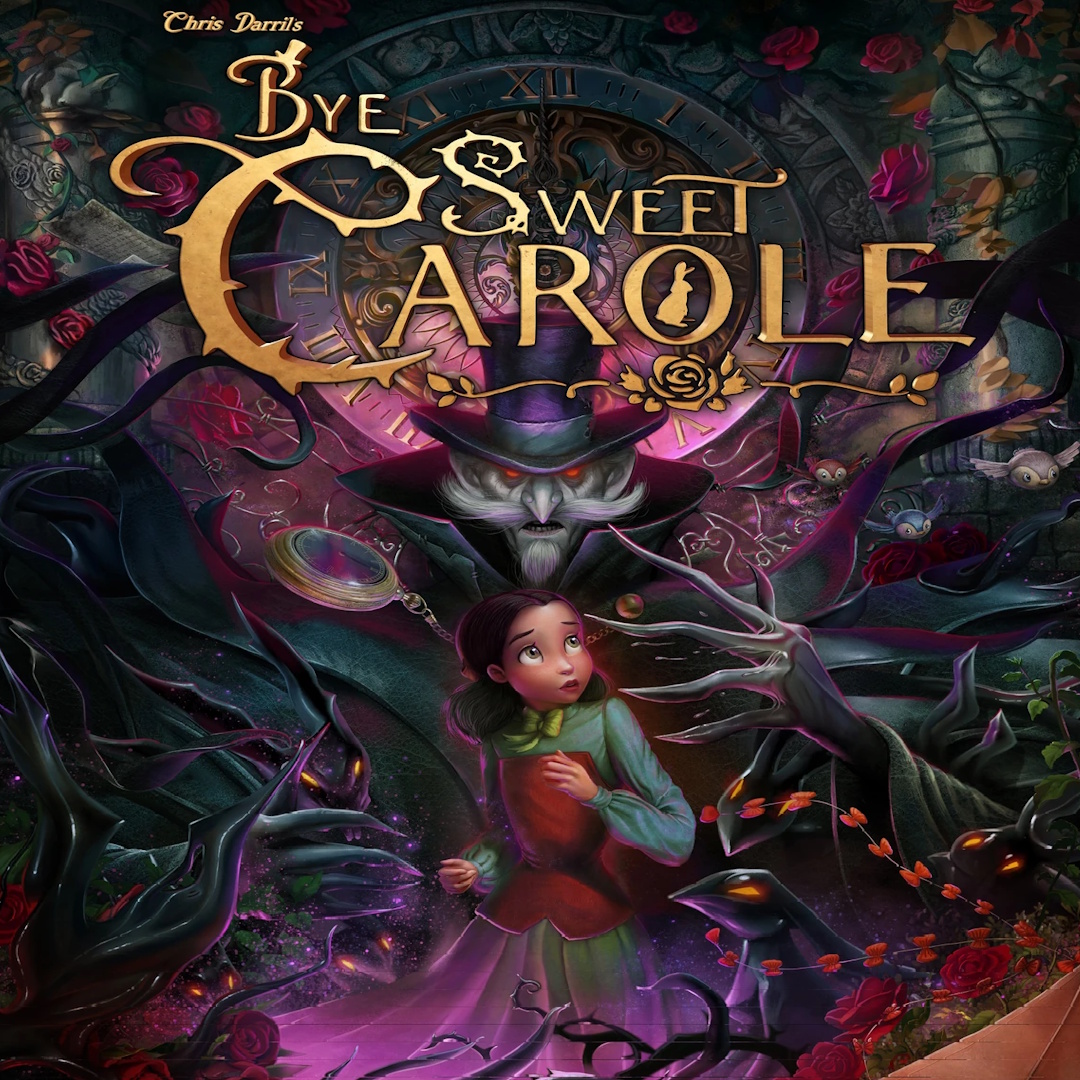
Bye Sweet Carole is a unique and visually stunning 2D horror-platformer that pays affectionate homage to the golden age of hand-drawn animation and classic ‘90s adventure games. Developed by Little Sewing Machine, the game tells the mysterious and unsettling story of Lana, a young orphan searching for her runaway friend Carole in a surreal world blending childhood nostalgia with creeping psychological horror. Despite its gorgeous artistry and atmospheric storytelling, the gameplay struggles under the weight of clunky controls and some frustrating stealth sections, making for a sometimes uneven but memorable experience.
Visuals and Art Direction
From the moment you start Bye Sweet Carole, it’s clear this game is a love letter to hand-drawn animation. Every frame is meticulously crafted by hand, evoking the lush, expressive charm of Don Bluth classics like The Secret of NIMH and early Disney masterpieces. The environments are richly detailed and vibrant yet often twisted with dark fantasy elements, creating a dreamlike contrast between beauty and menace. The fluidity of Lana’s movements, the expressive character animations, and the eerie lighting all combine to make the game feel like a moving painting.
This artistic style is not only refreshing but also integral to the game’s mood, turning what could have been a straightforward horror tale into a hauntingly visual experience that recalls the fusion of fairy tale whimsy and disguised terror that defined many childhood animations.
Narrative and Themes
The story begins with Lana receiving a letter from her missing friend Carole, only to have it stolen by a mysterious rabbit. This inciting incident plunges Lana into a bizarre and unsettling journey through Bunny Hall orphanage and other surreal locations where magical realism clashes with dark secrets. The narrative cleverly weaves themes around childhood innocence, trauma, bullying, and the importance of emancipation and resilience.
Through soft campfire storytelling moments and item clues scattered across the world, the plot gradually unveils layers of emotional depth and social commentary, portraying Lana as a strong-willed protagonist facing both external horrors and internal challenges. Unlike typical horror games, the narrative focuses on psychological unease and nuanced character interaction rather than gore or jump scares.
Gameplay Mechanics
At its core, Bye Sweet Carole combines classic platforming, puzzle-solving, and light survival horror with a unique hide-and-seek mechanic. Players navigate Lana through often linear levels across ten chapters, solving puzzles involving object manipulation or message deciphering to progress.
Notably, Lana can transform into smaller rabbit forms to access hidden areas or escape from enemies, adding variety and strategic depth. This shapeshifting introduces creative platforming puzzles and stealth segments where you evade the terrifying, ever-present owl antagonist Mr. Kyn and other monstrosities.
However, the game’s biggest weak point lies in its controls and movement mechanics. Despite the visually fluid animation, walking, climbing staircases, and interacting with objects often feel awkward and imprecise. Slow movement speed and the inability to change direction mid-action lead to frustration, exacerbated in stealth sections where timing is critical. The forced stealth sequences become particularly taxing—they feel more like obstacles than fun challenges, breaking pacing and risking player disengagement. Compared to games like Little Nightmares, the stealth execution falls short.
Exploration and Puzzle Design
The game’s level design emphasizes exploration within a dense, atmospheric world. While much of the gameplay involves moving through a singular building (Bunny Hall) and revisiting it in alternate realities, environmental details and visual storytelling encourage close observation and experimentation.
Puzzles, inspired by ‘90s point-and-click adventures, are mostly straightforward and logical, focusing on combining items or triggering switches in one area to affect changes elsewhere. While not overly challenging, these provide breathing room between tense encounters and help advance the narrative coherently. The interplay between fantasy and reality environments adds a compelling layer of mystery and surprise.
Audio and Sound Design
Complementing the visual design, Bye Sweet Carole features an outstanding original soundtrack by Luca Balboni, which fuses haunting melodies with atmospheric soundscapes. The music balances moments of eerie quiet with subtle tension-building cues, enhancing immersion without overwhelming the gameplay.
Ambient sounds—rustling leaves, distant footsteps, creeks of wooden floors—are intricately woven into the experience, amplifying the sense of unease. Voice acting for Lana and supporting characters is well done, delivering emotional nuance that deepens player connection. Overall, the audio remains one of the game’s strongest assets.
Conclusion
Bye Sweet Carole is a beautifully crafted experiment that successfully fuses nostalgia, artistry, and psychological horror into an emotionally resonant package. Its hand-drawn animation and atmospheric world are cinematic and expressive, creating a unique visual horror experience rarely seen in modern games.
Unfortunately, the game’s enjoyment is sometimes hindered by fiddly controls and frustrating stealth segments, which detract from pacing and can agitate players. For those willing to endure these gameplay challenges, however, the payoff is a memorable journey filled with poignant storytelling, inventive puzzles, and a haunting world that lingers long after completion.
Fans of animated horror, 90s adventure games, and rich narrative experiences will find much to appreciate, while players seeking more refined or fast-paced mechanics may want to consider their tolerance.