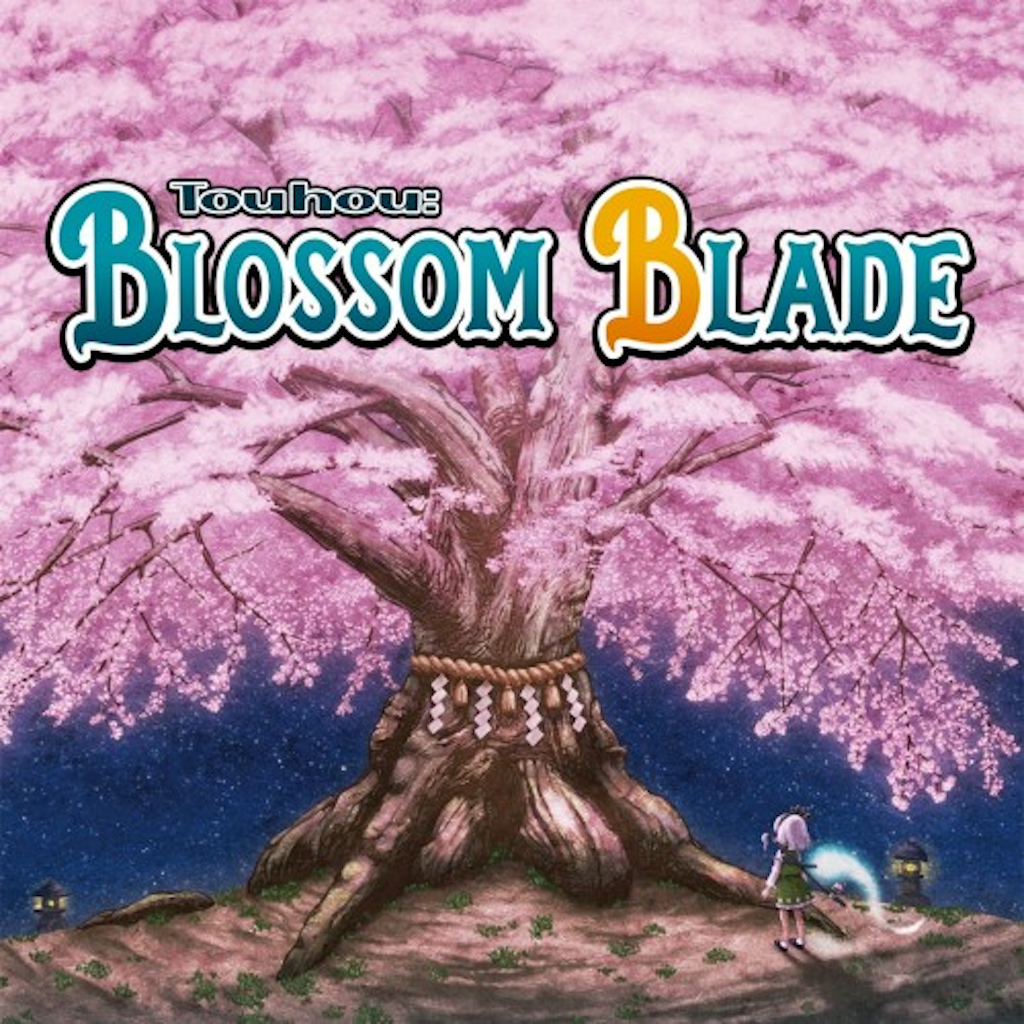
Few franchises in gaming possess the blend of frenetic action, dense lore, and near-cult following that Touhou Project does, and Touhou: Blossom Blade arrives with a curious mission: translate that legacy into a modern action title that both celebrates its roots and stands on its own merits. Developed by Phoenixx and published by Good Smile Entertainment, Blossom Blade is a hack-and-slash that feels part celebration, part experiment, and entirely ambitious.
In the world of Blossom Blade, the familiar magic-rich realm of Gensokyo teeters on the brink of another supernatural upheaval. With battles erupting between familiar faces and intriguing new antagonists, the game throws players into beautifully detailed arenas where spell card duels and high-octane swordplay collide. For long-time Touhou fans, the roster of characters and references will feel like coming home. For newcomers, the game serves as an energetic, riotous entry point — even if the deeper lore sometimes feels obscured by the spectacle.
A Blooming Combat System
Touhou: Blossom Blade is, at its heart, an action game built on fast reflexes and layers of combat complexity. Battles take place in sprawling, semi-open arenas filled with enemy mobs, spell patterns (danmaku), and environmental hazards. What sets Blossom Blade apart from the average hack-and-slash is how it combines traditional melee combat with bullet hell–inspired dodging and counterplay.
Each playable character — from Marisa Kirisame and Reimu Hakurei to newcomers like the enigmatic Sylphine and battle-ready Shikieiki — boasts a distinct moveset. Melee attacks are fast and fluid, and chaining combos feels gratifying. But the addition of spell card clashes introduces moments where timing and positioning become as crucial as button-mashing prowess. These spell card sequences shift the pace dramatically, turning sections into pattern-recognition challenges not unlike classic Touhou shoot-’em-ups.
The result is combat that feels alive. You’re never simply clearing waves — you’re dancing through bullets, weaving between sword strikes, and constantly adapting. The learning curve is real, but rewarding. Mastering the interplay between offensive flurries and defensive precision is where Blossom Blade truly shines.
Characters and Story
Story in Blossom Blade isn’t about deep narrative twists, but rather about bringing the beloved Touhou cast into a fresh context. The tale revolves around a strange blossom phenomenon that causes ley lines to surge and spirits to awaken with volatile power. Reimu, Marisa, and allies set out to investigate, encountering both friend and foe in explosive confrontations.
Fans will delight in the character interactions — Reimu’s straightforward pragmatism, Marisa’s gleeful chaos, and Youmu’s tsundere blade etiquette are all present and correct. Dialogue leans into humour and personality rather than heavy plot exposition, but this works in the game’s favour because it keeps pacing brisk and engaging.
For newcomers, the story serves mainly as a thematic backdrop to justify battles, but it rarely feels impenetrable. The charm of the cast and the clarity of mission objectives make the experience accessible even if you’ve never delved into Touhou lore before.
Visuals and Presentation
From the moment the title screen blossoms into view, Blossom Blade demonstrates a clear visual ambition. Environments are richly detailed, with forest shrines, misty gardens, and blooming landscapes that feel alive. Characters are beautifully animated, and spell card effects light up the battlefield in dazzling displays of colour and pattern.
There’s an unmistakable vibrancy to the world that feels tailored to the Touhou aesthetic — whimsical, bold, and slightly surreal. The spell card sequences deserve special praise; they echo the intricate patterns that have defined the series for years, but now in three dimensions and with full motion.
Performance is generally stable, though on some platforms the visual spectacle can occasionally overwhelm the framerate during the most chaotic clashes. Even so, the art direction largely succeeds in balancing clarity with spectacle — a tricky feat in a game that revels in visual energy.
Soundtrack and Audio
One of Blossom Blade’s greatest strengths is its music. The soundtrack carries forward the iconic Touhou legacy of memorable melodic themes, blending rock, electronica, and traditional Japanese motifs in a way that feels both fresh and nostalgic. Each battlefield boasts its own theme, and transitions between exploration and combat are emphasised through dynamic musical cues.
Voice work is present but sparse; most characters utter short combat lines or reactions rather than full dialogue, but what is here is well-performed and adds personality without overwhelming the combat flow.
Level Design and Progression
Blossom Blade’s stages are built around the interplay between exploration and conflict. While many areas funnel you toward key objectives, there’s also space to explore side paths, uncover hidden treasures, and engage in optional duels that reward skill with upgrade resources.
Progression feels satisfying. Defeating enemies and completing missions earns currency used to improve character abilities, unlock new combos, and customise spell card loadouts. This adds a layer of metagame strategy: do you invest in increased health, faster dodge recovery, or a more potent special attack? These decisions allow players to tailor characters to fit their personal playstyle.
However, pacing isn’t flawless. Some chapters feel padded, with mid-mission breaks that momentarily dampen momentum. A few secondary objectives also feel like busywork rather than meaningful challenges. Still, the core loop — fight, upgrade, fight harder — remains engaging throughout most of the adventure.
Accessibility and Difficulty
For seasoned action players, Blossom Blade serves up a satisfying challenge that demands both precision and adaptability. But the game isn’t content to gatekeep skill behind relentless difficulty spikes. Accessible difficulty options are thoughtfully implemented, allowing newcomers to focus more on spectacle than execution. This inclusivity is refreshing in a genre that often intimidates beginners.
That said, the game’s true mastery lies at higher difficulties, where enemy patterns are faster, spell card timing becomes unforgiving, and positioning is paramount. Here, Blossom Blade rewards patience and learning rather than brute force.
Verdict
Touhou: Blossom Blade is an inspired fusion of hack-and-slash action and bullet-hell choreography. Its combat system is layered and expressive, its characters charmingly realised, and its visuals and soundtrack brim with energy and identity. While pacing and progression occasionally falter, these are minor blemishes on an otherwise strong title that both honours its roots and pushes the franchise into exciting new territory.
If you’re an action fan with a love for colourful combat, expressive characters, and strategic dodge-and-strike gameplay, Blossom Blade delivers a compelling experience that feels both familiar and refreshingly original.