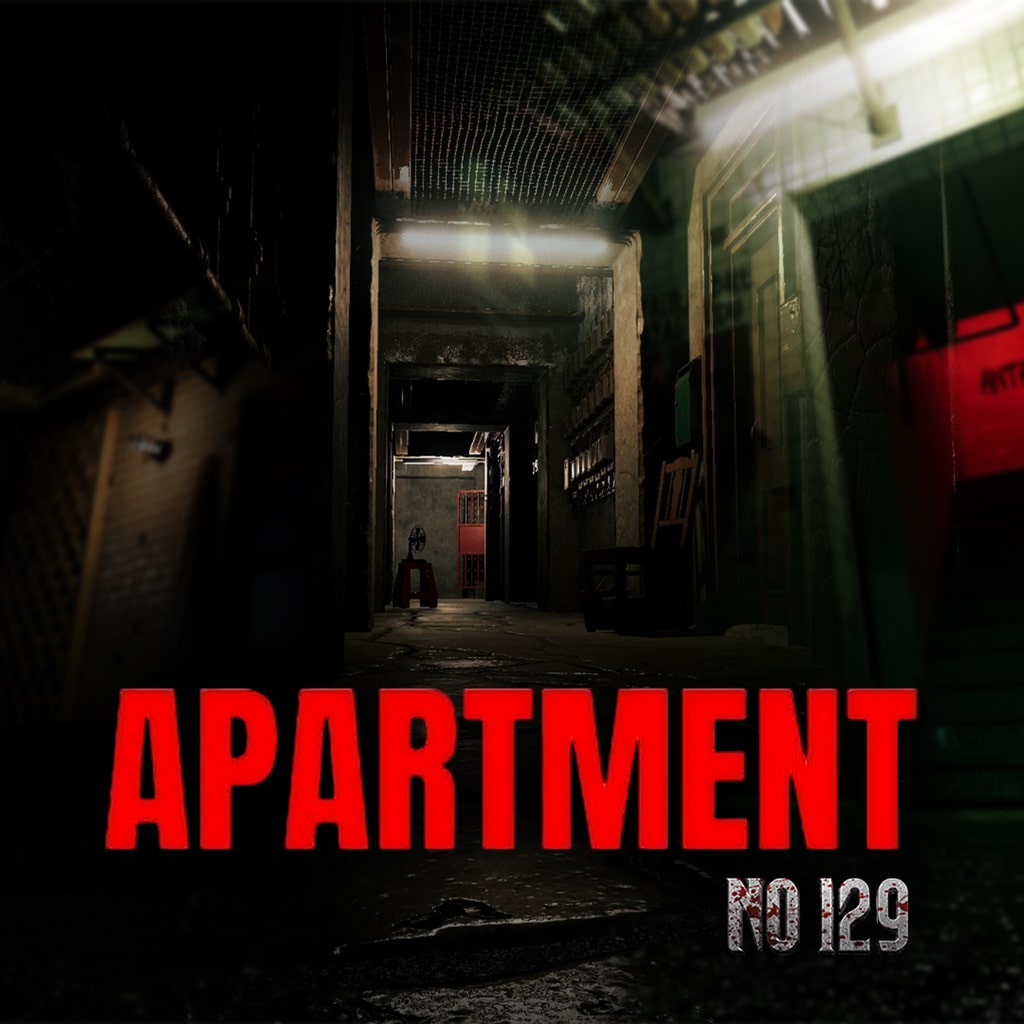
At a time when many games vie for attention with sprawling worlds or high-stakes conflict, Apartment No. 129 stakes its claim in a much subtler, personal space: the quiet tension and emotional mystery of everyday life. What begins as a simple choice-based narrative about moving into a strange apartment quickly unfurls into a tapestry of relationships, secrets, and psychological intrigue. This is a game that prizes reflection over reaction, atmosphere over action, and pays off best when players slow down and let its layers reveal themselves.
The result is an experience that feels intimate and evocative — not in a blockbuster cinematic sense, but as a slice of life filtered through curiosity, unease, and the peculiar rhythms that make small stories feel universal.
Setting and Premise: Everyday Life With an Edge
Apartment No. 129 drops players into a narrative that at first seems grounded in familiar routines. You’ve moved into an apartment with that number, and life begins with all the mundane gusto of unpacking boxes, meeting neighbours, and establishing routines. Does the mail stack up? What quirky noises echo down the hall? Is that odd neighbour just awkward — or something else entirely?
Those early moments are deceptively calm. Like fog settling before a dawn, the game fills its spaces with subtle texture: ambient hums from adjacent rooms, overheard conversations drifting through walls, objects arranged slightly off-kilter. It’s a masterclass in atmospheric storytelling; the environment itself becomes a character.
Rather than presenting a mystery all at once, Apartment No. 129 teases. Every decision feels like a step deeper into something personal, and sometimes slippery. You’re not running from danger or outsmarting a villain; you’re peering into lives, asking questions about silence and presence, and often wondering what isn’t being said.
That’s not to say the game forbids humour or levity — far from it. Moments of dry wit and charming quirkiness punctuate the experience, keeping the overarching tone nuanced rather than dour. It’s moodier than most comedies, but lighter than most psychological dramas. That balance is the game’s unique personality.
Gameplay and Mechanics: Story First, Choices Matter
Mechanically, Apartment No. 129 fits squarely in the narrative adventure category. There’s no combat, no reflex testing, no sprawling inventory systems. Instead, the game emphasises choice, dialogue, and environmental exploration. Interaction points in your apartment and surrounding areas reveal text, snippets of character insight, or narrative branches that subtly shift the story.
Controls are intuitive: point, click, read, choose. You’re not fighting the interface, and that’s central to the design’s success — the world is meant to be experienced, not wrestled with.
Dialogue choices are where the game earns its weight. These aren’t always clear moral decisions with obvious consequences; more often, they’re tonal decisions. Do you brush off a comment about the neighbour’s odd hours? Do you reply with humour, sincerity, or guarded ambiguity? Each path nudges relationships and reveals just enough to keep the emotional momentum going.
Unlike some choice-based games where outcomes are binary, the state of play in Apartment No. 129 feels more like a spectrum. Characters respond with subtle shifts in behaviour, hinting that trust is being built or eroded over time. These changes are rarely telegraphed — you feel their impact rather than read about them. That’s part of the pleasure, and part of the occasional frustration, of investing in the narrative.
Exploration is methodical. Your apartment is just the starting point, but over time you expand into hallways, rooftops, and local shops. Each environment is rich with sensory detail: squeaky floorboards, the distant thrum of traffic, the way a neighbour leaves their curtains partially drawn. Simple as they are, these textures make the spaces feel lived-in, and place becomes a quiet narrator in its own right.
Characters and Emotional Depth: Subtle and Sticky
Characterisation in Apartment No. 129 isn’t loud or dramatic, but it’s layered. From your immediate neighbours to the café owner down the street, people feel like individuals rather than plot devices. Central characters aren’t introduced with exposition dumps — they’re revealed through context, choice, and how they react when you decide not to move on immediately.
There’s a remarkable attention to nuance. A shrug in dialogue tells you as much as a spoken line. A gesture left on a table speaks louder than backstory. Characters in this game are comfortable with silence, and you as a player have to learn how to sit with that silence and interpret its meaning.
The emotional arc isn’t about explosive revelation or tear-jerking catharsis. It’s about ordinary psychology — fear, curiosity, fondness, suspicion, hope. The writing understands that people aren’t neat packages of emotion but contradictions and quiet corners. A neighbour might be brusque one day and vulnerable the next. A landscape that looked boring at first glance might later feel emotionally significant.
Less is more here, and the game trusts you to pick up on small details. The result is a more internalised experience than many narrative games attempt, and that isn’t for everyone — but for players attuned to subtlety, it’s deeply fulfilling.
Visuals and Audio Presentation: Mood Over Flash
Apartment No. 129 does not dazzle with high-end graphics or technical showmanship. What it does excel at is mood and clarity. The art direction leans toward realistic simplicity: muted tones, textured environments, carefully chosen lighting that shifts from warm domestic scenes to cooler, more ambiguous hallways.
Characters are convincingly designed without resorting to caricature. Facial expressions and body language are understated but effective, adding emotional nuance without needing superfluous animation.
Sound design is a standout. Ambient noise — distant appliances, traffic hum, rain tapping on windows — reinforces immersion and keeps silence from feeling empty. Musical cues appear sparingly, but when they do, they underscore narrative moments with subtlety rather than dramatics.
One of the most effective aspects of the presentation is how audio and visuals intersect. A flickering light paired with a distant footsteps sound conveys atmospheric tension more effectively than cutscenes ever could. It’s an immersive experience that creeps up on you rather than overwhelms.
Challenge and Engagement: Slow Burn Reward
Apartment No. 129 is not a game that will grip players with rapid pacing or adrenaline bursts. Instead, it’s a slow burn — one that rewards patience, curiosity, and repeated engagement. Players who enjoy dictating their own pace, lingering in rooms, reading subtext, and re-examining past choices will find themselves deeply rewarded.
There are no overt ‘fail’ states. Progress happens through discovery and interaction, not through penalties for missed choices or incorrect actions. This can feel too gentle for those who enjoy clear challenge bars or skill-based pressure, but for the game’s intentions — reflective storytelling and emotional nuance — this design works beautifully.
Optional side interactions abound, and while they’re not mechanically demanding, they provide depth and texture. Conversations can be revisited, environmental details can be re-inspected, and choices sometimes retrospectively shine new light on earlier scenes.
Limitations: Niche Appeal and Pacing Patience
No game is without limitations, and Apartment No. 129 carries a few that are worth acknowledging.
Firstly, its quiet nature means it isn’t for players craving high drama, cinematic spectacle, or reflex-based gameplay. This is a game you think through, not one that tests reaction speed or mechanical mastery.
Secondly, pacing is slow by design. The first few hours may feel meandering if you’re expecting immediate hooks. The payoff comes later — but reaching it requires patience.
Finally, because it leans so heavily on implication and subtext, some narrative threads may feel ambiguous or unresolved. That’s intentional, but it may frustrate players who prefer definitive conclusions or clear tipping points.
Final Verdict
Apartment No. 129 is a thoughtful, atmospheric narrative exploration that prioritises emotional nuance over spectacle and observation over action. Its strengths lie in character subtlety, environmental immersion, and a storytelling approach that respects the player’s intelligence and patience.
It won’t appeal to every gamer — particularly those seeking fast pacing or explicit drama — but for players who appreciate introspective narratives, atmospheric storytelling, and quiet tension, this is a rare and memorable experience.