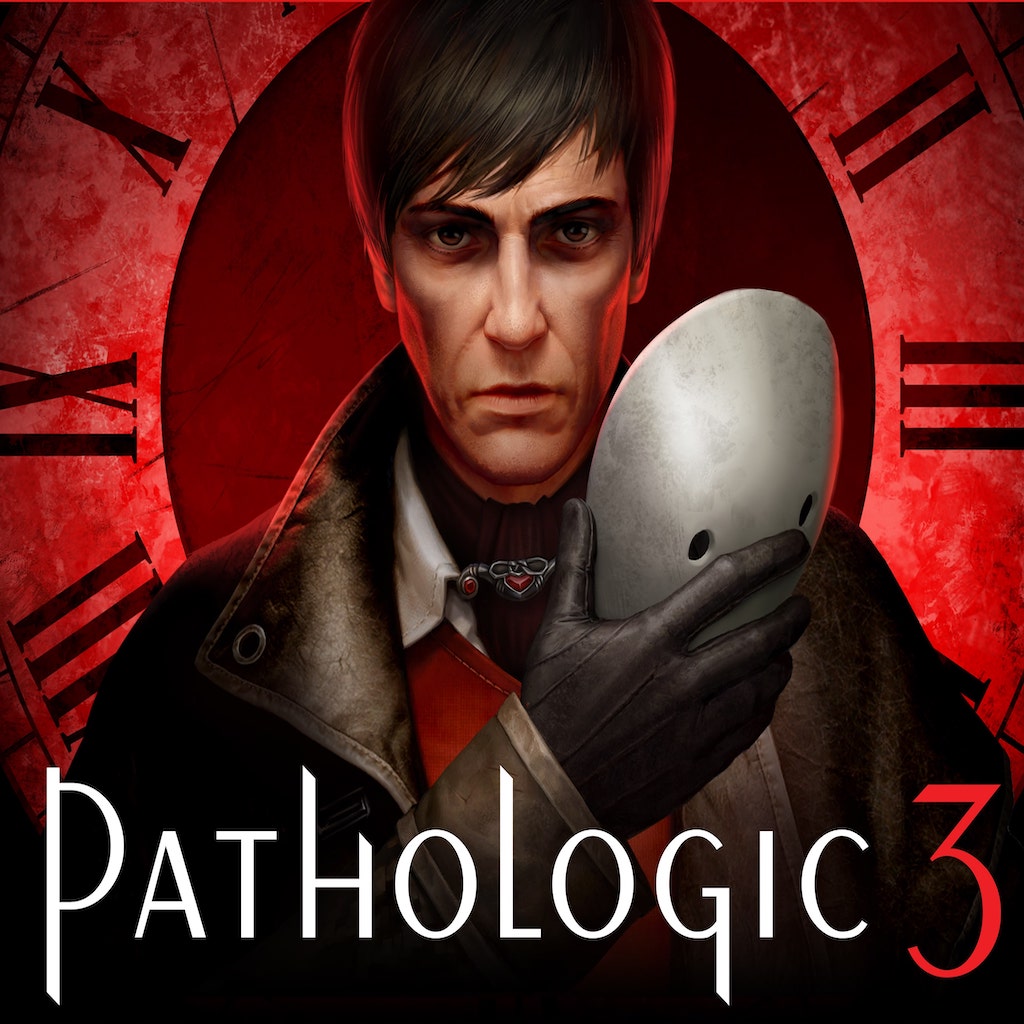
Few game series carry the weight of expectation that Pathologic does. Since its inception, the franchise has been defined less by polish or technical perfection and more by ambition — a relentless, uncanny commitment to exploring human fragility amidst overwhelming catastrophe. Pathologic 3 continues that tradition, plunging players once more into a world where survival is ambiguous, time is merciless, and every choice feels like a negotiation with disaster.
This isn’t a comfortable game. It’s not about mastery or victory, but about endurance, empathy, and the mental toll of bearing witness to collapse. For players prepared to embrace dissonance and uncertainty, Pathologic 3 offers a powerful experience that will stay with you long after you set its unsettling world aside.
A World That Breathes Unease
From the moment you arrive, the town feels alive in all the worst ways. The architecture is sculpted to be off-kilter: crooked streets that mislead as often as they guide, buildings that feel too close for comfort, and open squares that become theatres of quiet dread. The plague is pervasive, not just in name, but in the way the world moves — villagers whisper about disappearing relatives, markets feel deserted, and every cough echoes with suspicion.
The game’s use of sound is particularly effective. Ambient audio — distant footsteps, the rustle of wind through corrugated metal, children playing with a nervous edge — replaces ostentation with discomfort. There are no sweeping orchestral cues here; the score is suffused into the environment itself, reinforcing the suffocating sense that danger lurks behind every door.
Visually, Pathologic 3 blends realism with just enough surrealism to keep players off balance. Faces aren’t idealised, environments aren’t polished, and the grime under fingernails feels almost tangible. This aesthetic isn’t pretty by design — it’s purposively unglamorous, demanding engagement with the world as it is, not as we wish it to be.
Narrative as Burden, Not Spectacle
Pathologic 3 does not waste time on exposition dumps or cinematic set pieces. The story unfolds through fragments: overheard conversations, plaintive journal entries, and brief, often disquieting interactions with townsfolk. There’s a sense of oral history here — narrative that must be pieced together, rather than served on a platter.
Players take on the role of one of three Arzamas heirs, each inclined to approach the crisis through their own worldview. This choice isn’t cosmetic; each character carries a unique perspective and a distinct set of priorities. One might focus on healing and community, another on investigation and root causes, and a third on order and authority. These lenses colour every interaction and force players to reconsider what survival even means.
Unlike many modern narratives that aim to provide closure, Pathologic 3 embraces ambiguity. Characters don’t always reveal their motivations, and resolutions are often partial at best. Some threads may knot rather than untangle, reinforcing a central theme: in a world collapsing under disease and fear, not all truths can be known, and not all wounds can be healed.
This narrative design will be intoxicating for players who enjoy piecing together lore and meaning; it will be confounding for those who prefer clear answers.
Survival, Stress, and the Time Loop of Desperation
Survival in Pathologic 3 is not a triumphant sprint to victory — it’s a gruelling negotiation with inevitability. Time marches forward relentlessly, each day shorter, each night colder, each cough more ominous. Food, water, medicine, and warmth are all limited resources, and securing them demands constant attention.
Crafting and resource management are core pillars of the experience. Players must scavenge, negotiate, and make agonising choices about priorities. Do you help the suffering stranger now, risking your own supplies? Do you save medicine for an NPC who could unlock critical information later? Every choice resonates, and the game rarely offers clear guidance.
Combat is tactical but unforgiving. Pathologic 3 isn’t a shooter or a hack-and-slash; hostile encounters are fraught with consequences. Every hit takes meaning, every retreat may be a strategic necessity. This restraint reinforces the sense of vulnerability. There’s no reckless aggression here — only calculated risk, and often, the heavy cost of miscalculation.
Critically, the game doesn’t shy away from discomfort. Characters suffer, towns decay, and the stakes are never abstract. This is not a survival sim where success means efficiency; it’s a survival narrative where success might simply be another day alive. There’s a philosophical depth here — a meditation on mortality and meaning that lingers like a shadow.
Mechanics That Support Mood
Mechanically, Pathologic 3 leans into its thematic ambitions. Health and stamina are intertwined with your mental state. Hunger and exhaustion compound stress, and neglecting physical needs doesn’t just weaken your character — it distorts how the world appears and how NPCs respond. You don’t just fight the plague; you fight the toll it takes on body and mind.
Crafting systems are robust but intuitive. Combining raw materials into usable items feels satisfying, and rarely does the game over-explain its processes. Instead, experimentation becomes part of the journey — a breadcrumb trail into deeper understanding. Players who enjoy exploration and discovery will find this approach rewarding.
Movement and interaction are deliberate rather than slick, reinforcing the sense that survival is effort. There’s no fluid parkour or cinematic dodge roll here — just measured choice, and often, the cost of indecision.
Dissonance and Difficulty: A Design Choice
Pathologic 3 isn’t an easy game. For many, its greatest strength — its uncompromising tone — will also be its most polarising. The difficulty curve is steep, resources feel scarce, and threats can appear merciless. Yet this isn’t punishing design for its own sake; it’s thematic. The difficulty isn’t a barrier — it’s part of the point.
Some players will embrace this texture — the way danger informs every breath, how hope feels fragile, how victory often tastes like partial success. Others may find the relentless tension exhausting or the ambiguity alienating. There’s no shame in that. Pathologic 3 isn’t courting universal comfort; it’s courting visceral engagement.
Technical Observations
For all its ambition, Pathologic 3 is not without rough edges. Occasional camera hiccups, pathing awkwardness in tight spaces, and UI elements that lean more functional than elegant can momentarily jar. These issues rarely derail the experience, but they’re reminders that the game prioritises atmosphere and design intent over polish.
Performance, overall, is stable, and animations — while sometimes deliberately rigid to maintain tone — consistently support the world’s atmosphere. Sound design is a highlight: ambient audio carries weight, footsteps echo with space, and silence is used effectively as a mechanic of tension.
Final Thoughts: Fragile and Unsettling
Pathologic 3 isn’t a game to be breezed through. It’s an experience to be lived with — messy, morally ambiguous, and often discomforting. It’s a world where survival is never guaranteed, where stories don’t wrap neatly, and where your choices matter not because they lead to triumph, but because they reveal what kind of person you are when survival is never certain.
This is a game that will resonate deeply with players who relish thematic weight, narrative ambiguity, and survival systems that reflect vulnerability rather than mastery. Others who prefer clearer goals, polished mechanics, or uplifting arcs may find its relentless gravity overwhelming.
But for those willing to step into its plague-ridden streets and embrace its uneasy truths, Pathologic 3 offers a rare and unforgettable journey.