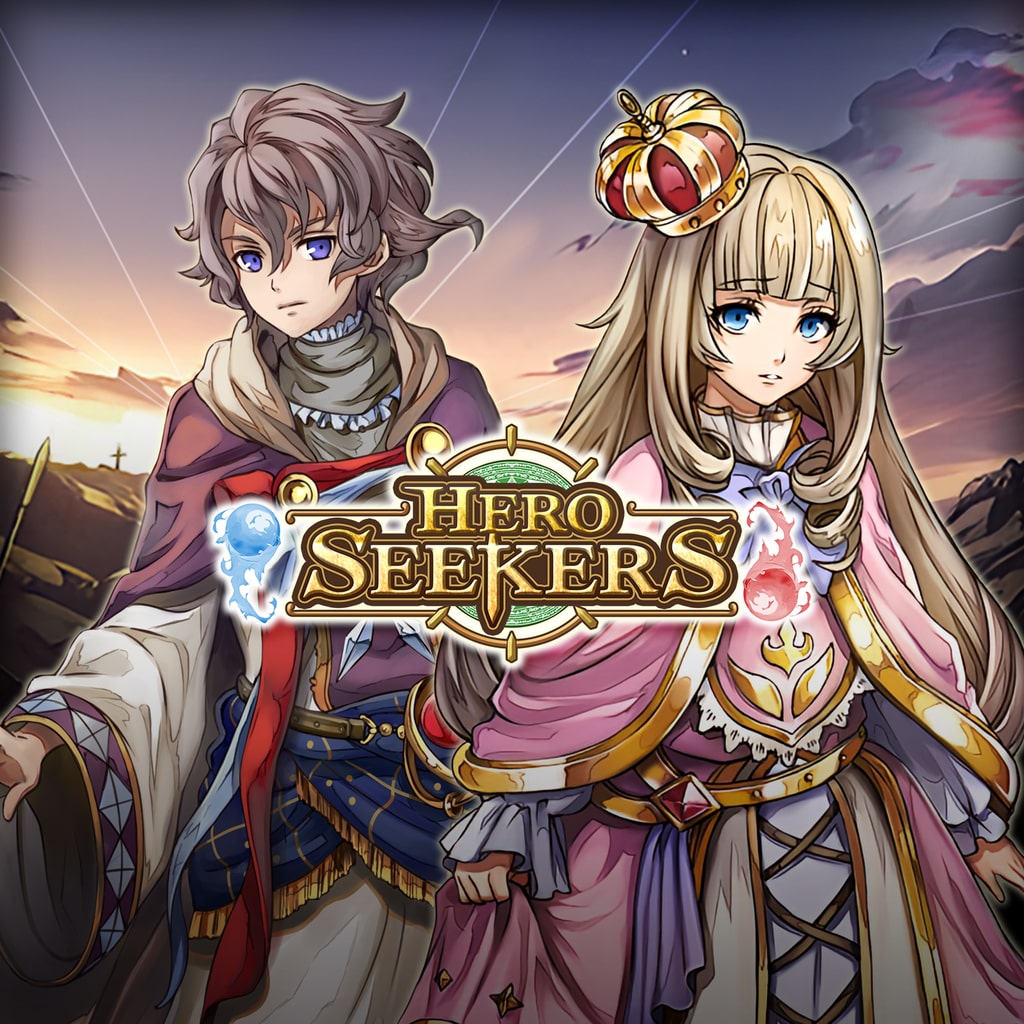
Hero Seekers arrives as a strategy-RPG hybrid that aims to blend accessible tactical combat with light character progression and a steady stream of bite-sized quests. Its premise is simple: assemble a team of unique heroes, explore interconnected maps, and take on increasingly challenging encounters that reward smart positioning, ability synergy, and careful resource management. In an era where strategy games often balance on the knife-edge between deep systemic complexity and casual accessibility, Hero Seekers confidently settles somewhere in the middle—offering a rich experience for players seeking thoughtful combat without overwhelming micromanagement.
Over the course of hours spent poring over its systems, narrative beats, and combat pacing, Hero Seekers reveals itself to be a game of measured ambition. It does not reinvent strategy RPG tropes, but it refines and recombines them in ways that feel both familiar and fresh. Its strengths lie in its thoughtful pacing, rewarding progression loops, and accessible yet meaningful tactical decision-making. Where it stumbles are nestled in uneven difficulty spikes and a story that, while serviceable, never quite reaches the emotional heights its world suggests.
World and Narrative — Well Worn Paths, Solid Foundations
At its narrative core, Hero Seekers is straightforward. A fractured world reeling from ancient conflict has given rise to mysterious threats that destabilise regions, corrupt creatures, and amplify the suffering of ordinary citizens. As a newly appointed seeker—an agent of peace, protection, and hero arbitration—you recruit allies, investigate disturbances, and restore order one mission at a time.
The story unfolds through a series of chapters, each anchored by a major locale and a set of linked missions. Dialogue is competent and occasionally charming, with character interactions that offer key flavour without bogging the game down in melodrama. While the overarching narrative patterns feel familiar—ancient menace awakens, unity is sought against division—Hero Seekers resists overwrought twists and instead focuses on the ongoing struggle of disparate heroes learning to work together.
For players craving a Shakespeare-tier narrative, this may feel muted. But for an RPG whose main draw is tactical engagement, the story provides sufficient context and motivation without overstaying its welcome.
Combat and Tactical Engine — Clean, Responsive, Meaningful
Where Hero Seekers shines most consistently is in its tactical combat. Battles play out on grid-based arenas that reward positional awareness, ability timing, and synergy between hero kits. Each hero brings a distinct set of strengths: tanky frontline types that absorb fire, agile rogues who flank and strike critical blows, spellcasters who manipulate the battlefield, and support units that heal or buff allies.
Combat flows smoothly. Turn order is clearly displayed, abilities are intuitive, and the UI crisply communicates targeting ranges, movement costs, and potential effects. Early tutorial missions ease players into core mechanics without ever feeling patronising, and subsequent battle designs layer complexity at a steady pace.
Strategic depth emerges from interplay rather than sheer volume of options. An enemy that resists physical attacks may be vulnerable to crowd-control spells; a choke point can become a fatal trap if ignored. Rather than overwhelming players with hundreds of discrete abilities, Hero Seekers nudges them toward careful choice: positioning matters more than raw stats, and understanding how to manipulate battlefield geometry often yields better results than brute force.
This is particularly evident in mid-game encounters, where energy resources become constrained and the margin for error narrows. These battles feel like puzzles where the best solution is not strictly about numbers but about sequencing and tactical foresight.
Progression and Customisation — Rewarding Without Overcomplication
Hero progression in Hero Seekers balances accessibility with meaningful choice. As characters gain experience, players earn skill points that unlock abilities and passive bonuses. These progressions are neither bewildering nor shallow: every unlock feels impactful and distinct, allowing you to tailor heroes into specialised roles rather than forcing a rigid template.
Equipment and gear systems further deepen customisation. While loot isn’t the sole focus of progression, the right artefact or weapon can meaningfully shift a hero’s role. Balancing equipment sets across your party encourages thoughtful resource allocation rather than blind grinding.
The game also introduces a simple crafting and resource system that supports gear upgrades, potion creation, and auxiliary bonuses. Again, depth is present without being esoteric—the game gives players clear feedback about how choices affect performance.
One of the most satisfying aspects of progression is the sense of evolving agency. Early battles feel manageable and forgiving; later missions test your understanding of how builds, movement, and abilities intersect. This sense of growth is not artificially gated but earned.
Map Design and Mission Structure — Consistent, If Conventional
Missions in Hero Seekers are structurally solid. Each chapter opens with a narrative beat, followed by a series of objectives: defeat all enemies, capture strategic points, escort NPCs, or survive an onslaught for a set number of turns. While this mission taxonomy is familiar within the genre, Hero Seekers executes it with care; objectives are clearly communicated, and each battlefield offers tactical diversity.
Some missions introduce environmental hazards—lava fissures, collapsing terrain, or patrolling enemies—that demand adaptation rather than rote repetition. These moments are among the most memorable, turning static battlefields into dynamic puzzles.
However, not all maps achieve this balance. A handful feel overly derivative—open fields with little terrain variation or missions that hinge on prolonged attrition rather than tactical ingenuity. These moments don’t break the experience, but they interrupt the fluid pacing that the game otherwise maintains so well.
Presentation and Sound — Functional Elegance
Visually, Hero Seekers opts for clarity over flash. Art direction is crisp and serviceable, with distinct character models and readable battlefields. Animations are expressive without being extravagant—abilities carry just enough flourish to be satisfying without overwhelming the tactical clarity of engagements.
Maps are varied in theme, from verdant woodlands and sunlit ruins to shadowy caverns and frostbitten plains. Colour palettes and terrain cues help players distinguish regions and anticipate potential tactical advantages.
Audio design supports immersion without drawing undue attention. Music adapts to context—subtle and contemplative in exploration segments, more urgent in combat. Sound effects are clear: sword slashes, spell impacts, and defensive blocks all feel tactile and satisfying.
Voice acting is present in key moments but limited in scope. It contributes to character personality without dominating storytelling, reinforcing the game’s focus on player choice and tactical engagement rather than extended cutscenes.
Accessibility and Learning Curve — Approachable Without Being Easy
Hero Seekers strikes an admirable balance in accessibility. Its systems are introduced gradually with clear visual cues and explanations, making it easy for newcomers to engage meaningfully without prior genre experience. Tutorials are optional and context-sensitive, avoiding the pitfall of inundating players with information before they need it.
That said, the challenge curve isn’t trivial. Mid-to-late game missions require careful planning and thoughtful adaptation. Mistakes are usually the result of oversight rather than sudden difficulty spikes. Players who enjoy refining strategies through iteration will appreciate this consistency.
The game also offers adjustable difficulty settings, which affect enemy health, AI aggressiveness, and resource scarcity. These options broaden its appeal to both strategists seeking challenge and more casual players who prefer a relaxed tactical tempo.
Longevity and Replay Value — Solid Base, Room to Expand
With a main campaign that can occupy dozens of hours and a suite of side quests, Hero Seekers provides substantial content. Character progression and build variation invite multiple playthroughs, and higher difficulty runs reveal new tactical wrinkles.
Where the game is less strong is in post-campaign support. There are no procedural challenge arenas or sandbox modes that significantly extend play beyond the campaign. While this is not unusual in the genre, it does mean that replay value is tied largely to personal ambition rather than built-in endgame systems.
Still, the quality of the core experience means that most players who enjoy the journey will find substantial satisfaction within it.
Verdict
Hero Seekers is a thoughtfully designed tactical RPG that balances accessibility with depth, pacing with challenge, and clarity with meaningful choice. Its combat system is refined and rewarding, progression feels impactful without being overwhelming, and its presentation supports play without distracting from it.
While its narrative and map variety occasionally lean on familiar genre conventions, the core gameplay loop remains consistently engaging. For players who enjoy tactical combat that rewards foresight and adaptation—without the burden of excessive complexity—Hero Seekers delivers a rich, satisfying experience.