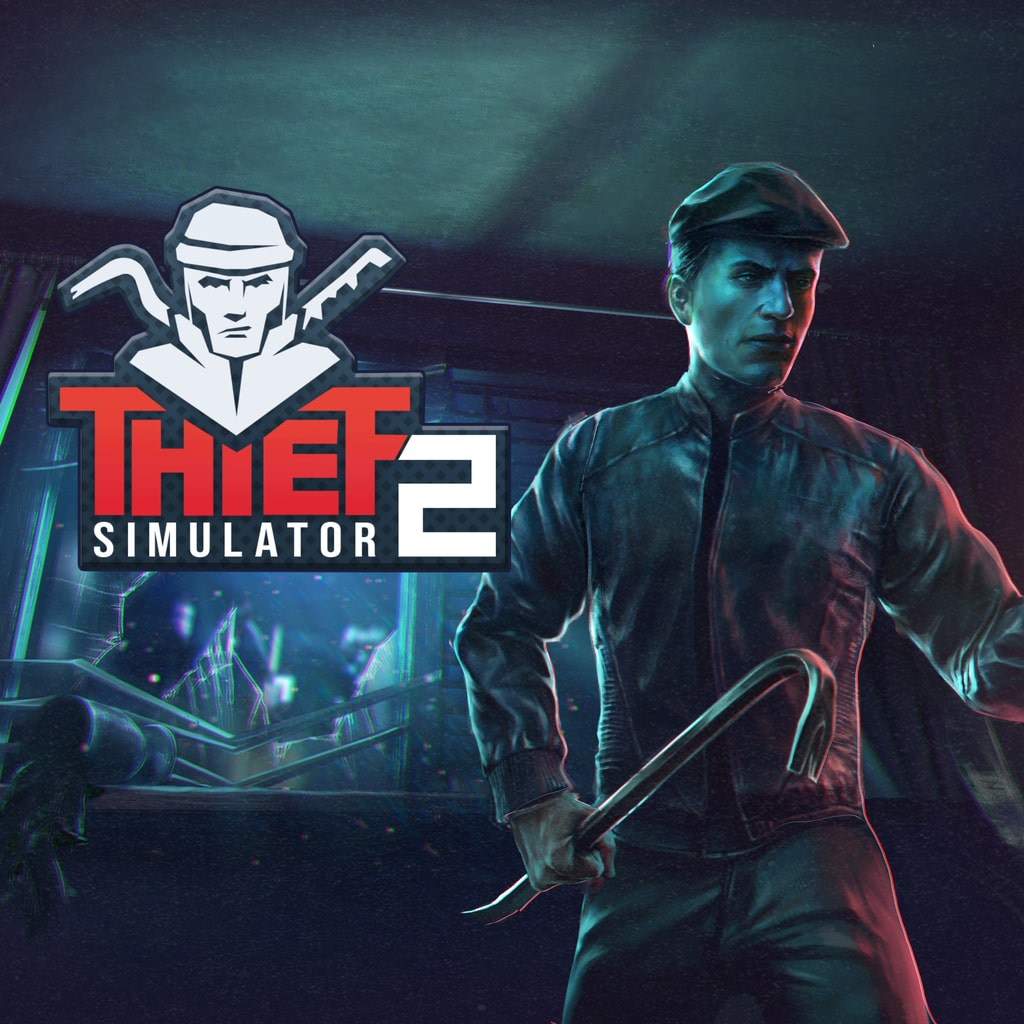
Thief Simulator 2 picks up the mantle from its genre-defining predecessor and seeks to refine, expand, and deepen the immersive stealth-sandbox experience that made the first game a sleeper hit. The core concept remains delightfully audacious: instead of spending hours meticulously defending homes and vaults, you are given the keys—and a cautious conscience is optional. It’s a game about shadows, timing, risk analysis, and the thrill of near-miss escapes. In a landscape dominated by high-budget action titles, Thief Simulator 2 stands out by committing to subtlety, patience, and planning over spectacle.
The question most players will ask is simple: does it improve on the original enough to justify its standalone presence? The answer is broadly yes—Thief Simulator 2 is more polished, more ambitious, and more nuanced—but not without caveats. It excels when encouraging agency and strategic decision-making, but stumbles occasionally in its pacing and reward systems. Still, for its intended audience—players who enjoy thoughtful stealth and emergent gameplay—it’s a solid, engrossing experience.
Premise and World — A Sandbox of Opportunistic Exploration
From the outset, Thief Simulator 2 frames itself as an open world of possibility and consequence. You play as an unnamed novice in the craft, learning the ropes from contacts in the underworld and carving your own path through residential neighbourhoods, commercial districts, industrial zones, and (later) more guarded, high-value locales. The world is populated by AI routines that, while not cinematic in complexity, are consistent enough to read, predict, and exploit.
The game doesn’t rely on bleeding edge visuals; its aesthetic is functional and atmospheric rather than eye-popping. Detail is often found in the spaces themselves—layouts that reward exploration, lighting that rewards patience, and object placement that encourages multiple approaches to the same goal. There’s a lived-in feel to environments, and over time you begin “reading” each street, house and alley like a trusted blueprint.
Narrative is present but lightweight. Tasks and missions are scripted enough to guide progression, yet generous enough to allow alternative playstyles. Character interactions are brief and functional rather than character-driven novels. This suits the title: players aren’t here for deep relationship arcs or political intrigue, they’re here for the tactical execution of plans that must succeed quietly or fail spectacularly.
Core Mechanics — Stealth, Strategy, and Skillful Execution
True to its name, Thief Simulator 2 focuses on stealth in ways that reward preparation as much as execution. Tools of the trade—lockpicks, distraction devices, noise meters, surveillance overrides, and more—are not cosmetic accoutrements but distinct systems with measurable impact on outcomes.
Lockpicking, for example, requires patience and a steady hand. It’s not a simple mini-game but a sequence of tactile feedback cues that replicate tension, click resistance, and subtle positional inputs. Put bluntly: succeed at this and you feel adept; fail and it feels like a deliberate miss, not arbitrary frustration.
Distraction mechanics—like dropping objects, creating timed noises, and manipulating light sources—are all tools to be mastered. They elevate stealth from “walk quietly and hope” to “engineer an environment against detection.” Enemies and NPCs aren’t omniscient; they react predictably (if not intelligently), which means skillful players can read routes, create timing windows, and build reliable patterns of success.
However, there are moments where predictable AI can feel too predictable. Smart players may find themselves exploiting the same patterns repetitively once they identify routines that are easy to avoid. The game occasionally misses opportunities to inject dynamic unpredictability that could heighten tension or force adaptive play, especially in later missions when stakes should feel higher.
Level Design — Methodical and Rewarding, if Sometimes Repetitive
Level design in Thief Simulator 2 generally supports its stealth systems well. Homes and buildings are varied, with layouts that encourage multiple potential paths to an objective—windows, vents, back-doors, drainpipes, and interior circulation patterns all contribute to thoughtful navigation.
The neighbourhoods each develop their own identity: affluent suburbs with quieter patrol patterns but higher-value targets, industrial districts where noise cover can be an ally, commercial zones with cameras that incentivise tech-based countermeasures. This intentional diversity keeps the midgame engaging.
Yet despite this variety, the fundamental act of “infiltrate, steal, escape” can begin to feel repetitive over long play sessions. Missions often differ more in target value than in dramatic structure. A recurring mission type sees you entering a house, avoiding detection, grabbing valuables, and escaping before the alarm hits—a formula that works well in short doses but can lose a bit of luster over 20+ hours if the surrounding systems don’t evolve aggressively.
Progression and Tools — Satisfying Upgrades With Strategic Impact
Progression in Thief Simulator 2 is one of its most engaging elements. As you accumulate stolen funds and reputation, you unlock better tools, faster vehicles, and enhanced gadgetry that genuinely change how you approach a job. The sense of upgrade feels meaningful. Buying a better lockpick set isn’t just a ‘+1’; it measurably reduces failure risk and opens premium targets you couldn’t reliably handle before.
Skill trees and upgrade paths are well balanced. Specialised enhancements—like faster hacking modules, quieter attire, or distraction booby traps—let you carve a niche playstyle. Some players will prefer the silent ghost approach; others will lean into gadget-heavy strategies that manipulate guard routes indirectly.
This progression system adds longevity and encourages experimentation. Success feels earned, and the payoff for resource investment is clear. Still, there are pacing issues: progression spikes when new mechanics arrive but plateaus during stretches where new toys are scarce. This can make mid-to-late game feel less dynamic than it should.
Presentation — Atmosphere Over Flashiness
Visually, Thief Simulator 2 isn’t a showcase of cutting-edge graphics. The art direction favours a gritty, lived-in realism rather than stylised beauty. The result is a game that looks functional and serves its gameplay needs, but rarely inspires via spectacle. Lighting, intentionally crucial to stealth play, does its job: shadows feel meaningful, interiors are contrastive, and night missions carry real visual tension.
Sound design is a standout. Footsteps on gravel, the distant thrum of alarms, the snapping of a lockpick—it all reinforces immersion. Music is sparing and contextually appropriate, letting the ambient soundscape carry mood and tension.
While neither visuals nor audio are revolutionary, they are cohesive and purposeful. The game’s aesthetic choices align with its core identity: atmosphere and tension over showmanship.
Accessibility and Learning Curve
One of Thief Simulator 2’s greatest strengths is how it introduces complexity without overwhelming players. Tutorials are integrated into early missions, teaching mechanics via context rather than dumping information. Players learn by doing, and feedback systems—visual cues, detection meters, noise readouts—reinforce learning loops effectively.
The learning curve remains fair. Early missions are forgiving, allowing mistakes. As systems compound—patrol patterns, gadget management, noise levels—players are invited to internalise strategies rather than memorize button sequences. Still, newcomers may find the authenticity of simulation daunting at first; patience and willingness to experiment are rewarded, but instant mastery is unlikely.
Verdict
Thief Simulator 2 deepens and refines its predecessor’s stealth sandbox in meaningful ways, delivering a thoughtful, strategic experience that rewards tactical planning and quiet execution. While pacing and mission variety could be stronger in the long run, the core systems—stealth mechanics, gadget progression, environmental design—are satisfying, reliable, and engaging.
It is a game that will resonate most with players who enjoy thoughtful stealth, deliberate decision-making, and emergent narrative moments born from player skill rather than scripted spectacle. Gamers seeking flashy action or cinematic flair may find its rhythm more measured than dramatic—but the tension that Thief Simulator 2 cultivates is no less real for being quiet.