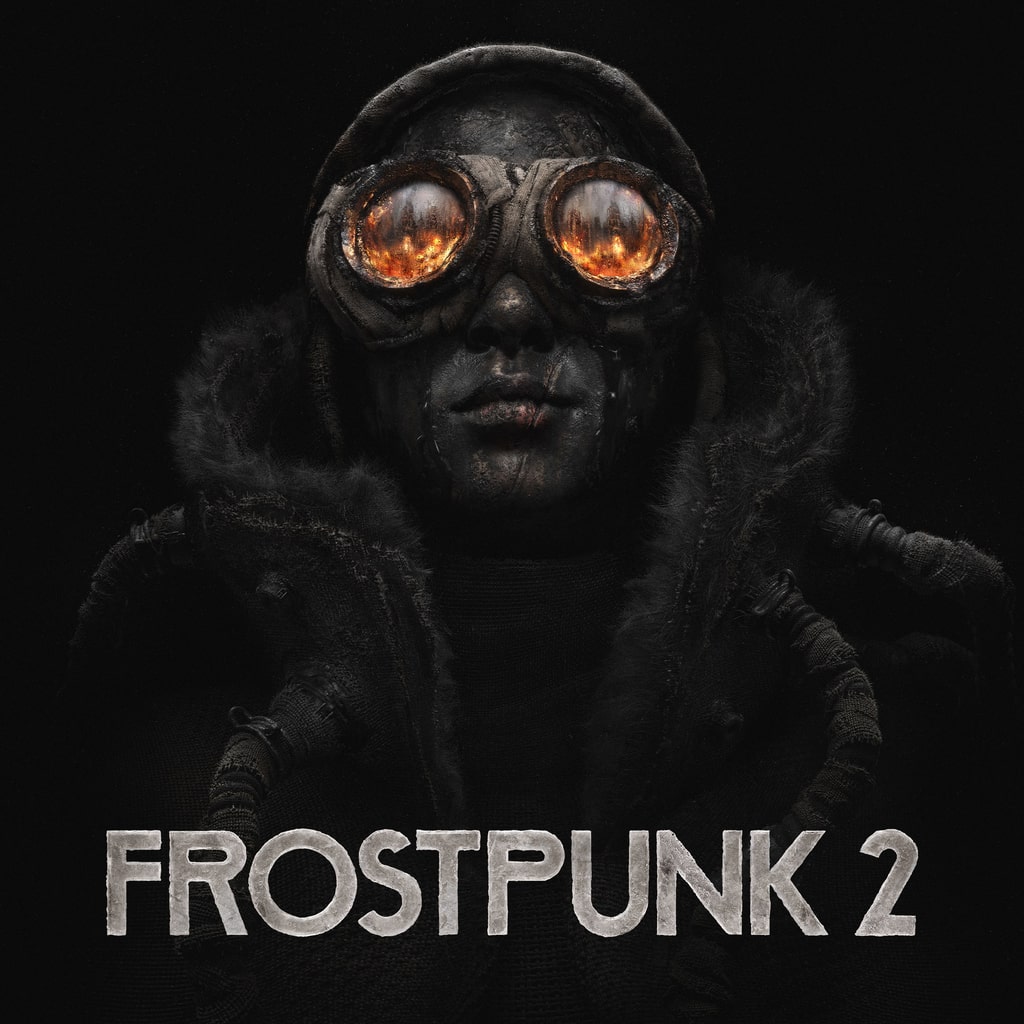
Frostpunk 2 expands and deepens the survival city-building formula established by its acclaimed predecessor, delivering a grander, more politically charged, and strategically complex experience. Set decades after the first game, it challenges players to rebuild civilisation amid a frozen wasteland ravaged by climate catastrophe, but now on a much larger scale with far-reaching consequences for your people and their future.
Gameplay Evolution
Unlike the original’s tightly-focused single-city management, Frostpunk 2 offers expansive territory control with multiple settlements and industrial operations, transforming the experience into a hybrid of city-building and 4X strategy. Instead of micromanaging individual buildings, you now manage districts—zoning food production, workshops, and power plants—spread across larger maps with distinct geography including mountains and cliffs, which provide tactical and logistic challenges.
This larger scope reduces some of the intimacy present in Frostpunk, but rewards players with more strategic freedom and macro-level decision-making. The resource management system is streamlined, cutting out needless micromanagement to focus on key survival elements like food, warmth, and manpower. Heat sources remain critical, with expanded energy mechanics involving oil plants and power lines that visually pulse when under stress, reinforcing the fragility of progress.
Political and Moral Complexity
A defining feature of Frostpunk 2 is its intricate political system. Players must negotiate alliances, manage factions, and make morally ambiguous decisions that affect society’s ideological balance. This adds a new dimension to the survival formula: politics becomes a resource to be managed as carefully as coal or food, requiring players to balance competing interests to maintain order and progress.
Events and dilemmas remain central to the narrative, forcing agonizing choices that echo the harsh realities of leadership. Whether deciding how resources are allocated or dealing with civil unrest, the game challenges players’ ethics and priorities like never before. These moments carry lasting consequences throughout the campaign’s five chapters, ensuring your decisions shape the evolving story of New London.
Visuals and Atmosphere
Visually, Frostpunk 2 is a significant leap forward, with stunningly detailed cityscapes and dynamic weather effects that immerse you in the harsh, unyielding frozen world. Lighting effects play a crucial role, casting shadows and flares that add cinematic tension to the bleak environment. The steampunk-inspired technology and dismal snowy landscapes contrast beautifully, highlighting humanity’s fragile grip on survival.
Sound design complements the visual aesthetic perfectly, with creaking machinery, howling winds, and atmospheric music that enhances the emotional weight of your struggles. While cutscenes and voice work remain sparse, in-game events convey story and mood with evocative urgency.
Accessibility and Replayability
Frostpunk 2 incorporates multiple difficulty modes to accommodate newcomers and veterans alike. The campaign is lengthier and more structured than the original, with unique challenges per chapter that gradually increase complexity. A new tutorial aids onboarding, easing players into the more intricate mechanics.
Replayability is strong thanks to faction systems and branching narrative paths. Each playthrough can produce drastically different outcomes based on your political alignments and resource management strategies. However, managing multiple settlements may feel overwhelming at times, and the pacing can be slower, requiring patience and planning.
Performance and Technical Polish
The game runs smoothly on modern hardware, free from the bugs and crashes that sometimes plague large simulations. The UI is cleaner and more intuitive, though some fans miss the first game’s more tactile building placements and day/night cycles. Overall, Frostpunk 2 strikes a good balance between complexity and user-friendliness.
Final Thoughts
Frostpunk 2 is a bold and thoughtful evolution, expanding the scale and depth of its predecessor’s chilling survival tale without losing sight of the emotional core. Its sophisticated political dynamics and district-based city-building elevate the genre, offering a more cerebral challenge alongside the familiar brutality of frostbitten survival.
For players craving an engrossing strategy experience layered with moral dilemma and narrative weight, Frostpunk 2 is a near-perfect sequel that leaves its icy mark. Its combination of expansive gameplay, narrative richness, and atmospheric design secure its place as one of the best city-building and survival strategy games of recent years.