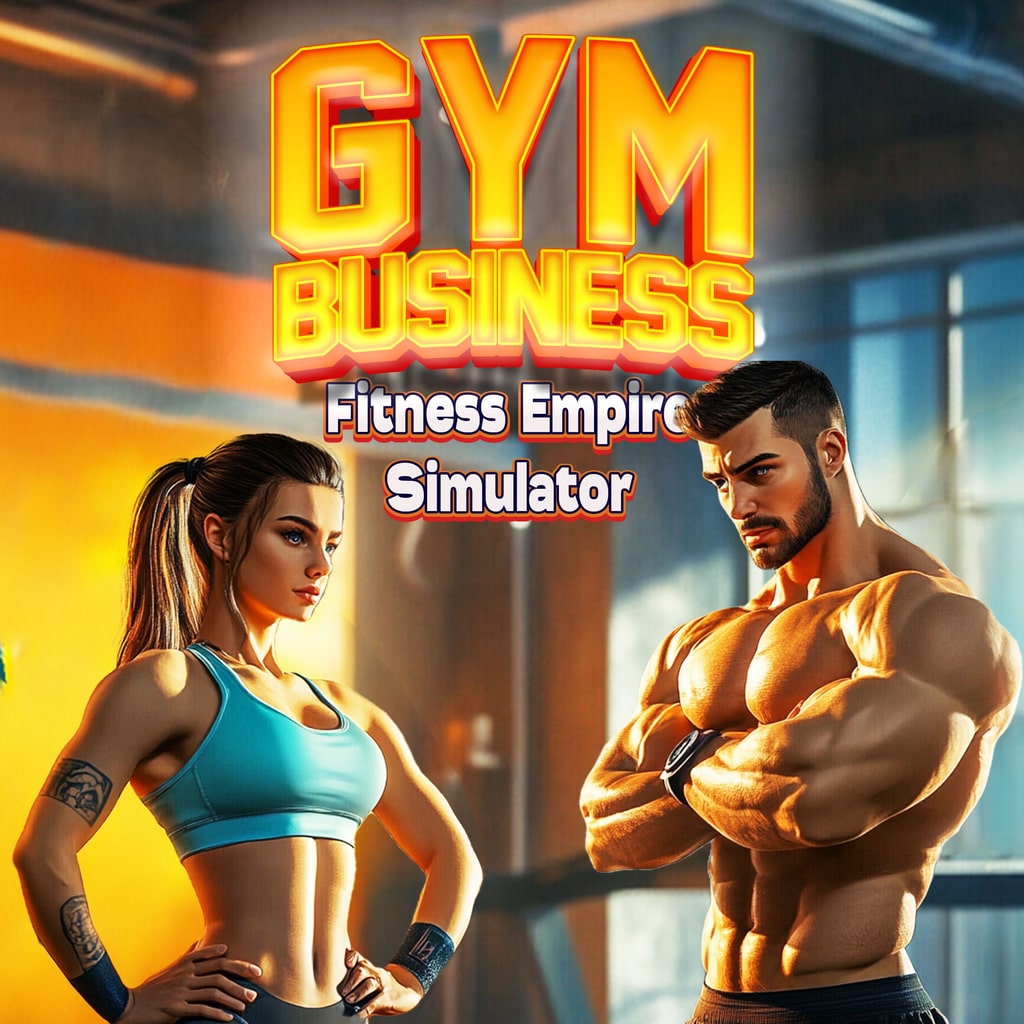
There’s a moment early in Gym Business: Fitness Empire Simulator when the scale of your ambitions finally hits you: you’ve spent hours meticulously placing treadmills and dumbbells, hired personal trainers at varying salaries, optimised locker room layouts, and even curated soothing playlist music — yet your first gym still feels like the opening chapter of a much larger story. That moment is precisely where this game thrives. It elegantly merges the macro strategy of empire building with the micro satisfaction of running a fitness facility that genuinely feels like it belongs to you. In a genre crowded with theme park tycoons and city planners, Gym Business distinguishes itself by focusing squarely on the intricacies of the fitness industry — and doing so with surprising depth, polish, and charm.
Concept and Premise: Simple, Yet Ambitious
At its core, Gym Business places you in the role of CEO of a fledgling fitness centre. Your objective is straightforward: design, staff, upgrade, and expand your way from a modest local gym to a sprawling fitness empire. You won’t be fighting hordes of zombies or building interstellar colonies here — instead, your challenges come from balancing budgets, satisfying customer expectations, and keeping a competitive edge in an ever-growing market.
The concept is immediately accessible. There’s no convoluted lore or arcane mechanics to decode; the game places an emphasis on clarity and player agency. From selecting equipment and setting membership fees to creating tailored training programs and negotiating sponsorship deals, you’re given autonomy over every corner of your operation.
Gameplay: Foundational Depth With Strategic Breadth
What separates Gym Business from other management sims is its layered complexity. There’s a broad spectrum of gameplay mechanics that span facility design, staff management, marketing, finance, and client satisfaction — and the interplay among these systems keeps the experience consistently engaging.
Facility Design:
The building system is intuitive and flexible. Drag-and-drop placement, grid alignment, and zoning tools make it easy to carve out distinct workout areas — cardio zones, weight rooms, yoga studios, and juice bars — without frustration. Space matters here. A cramped layout can affect customer flow and satisfaction, while efficient designs boost membership retention. Fitness floors feel believable because the game simulates how people actually move, queue, and interact with equipment. It’s a subtle detail that makes your design choices genuinely feel consequential.
Staff & Training:
Hiring staff isn’t just a checkbox. Personal trainers, receptionists, cleaners, and coaches each come with unique stats and work styles. A top-tier trainer might boost client satisfaction and retention, but their salary will cut into your profits. Balancing payroll with performance creates a satisfying strategic tension. The game also incorporates skill progression, meaning long-term investment in your staff can pay dividends as they unlock specialised techniques, better training programs, or cross-functional roles.
Client Expectations & Satisfaction:
Members aren’t faceless numbers. They arrive with preferences — whether they’re looking for serious weight loss, muscle gain, cross-training variety, or a relaxing yoga experience. Meeting these needs requires you to study behaviour patterns, adjust class schedules, and analyse feedback. Sometimes the game nudges you toward creative solutions: adding cold-pressed juice bars to increase membership appeal or commissioning local ads to bring in a demographic that prefers group fitness. These layers make the gym feel more like a living, breathing business than a static management puzzle.
Finance & Growth:
Balancing budgets requires respect for both short-term solvency and long-term investment. Aggressive advertising campaigns can bring in new members but also strain your cash reserves. Upgrading equipment improves satisfaction but drains funds. Gym Business never feels arbitrarily punitive, but it consistently challenges you to think like an entrepreneur rather than a sandbox builder. Expansion into new neighbourhoods and the decision to franchise your brand add larger strategic ambitions that keep later hours compelling.
Presentation and Audio: Functional With Flourish
Visually, Gym Business employs a clean, readable aesthetic. The cameras swivel from top-down view to a modest 3D angle, showcasing your facility in enough detail to appreciate design elements without overwhelming the player with unnecessary flair. Characters are recognisably diverse and animated with subtle humour: a burly weightlifter might grunt loudly at a barbell station, while a yoga enthusiast calmly stretches in a sunlit corner.
The UI is predominantly functional and uncluttered, with clear icons, informative tooltips, and dashboards that help players track key statistics. There are moments where menus feel dense — particularly in the finance section — but overall the interface serves the dual purposes of depth and clarity effectively.
Audio strikes a balanced tone. Background music remains unobtrusive, energising without becoming monotonous. Trainers call out cues in class, treadmills hum, and occasional customer chatter fills the space without distraction. These layers of sound subtly enhance the atmosphere and help ground the experience in a world that, crucially for a gym sim, feels alive.
Challenges and Balance: Engaging Yet Approachable
One of the most impressive aspects of Gym Business is how it scales difficulty. Early levels serve as tutorials that introduce mechanics gradually, preventing overload. Mid-game challenges demand sharper strategic thinking — such as dealing with seasonal attendance dips or competing with AI gyms that undercut your prices.
Yet at no point does the game feel unfair. It’s demanding without being punishing, and successes feel earned. The pacing of unlocks — new equipment, staff specialisations, promotional options — is satisfying, giving you fresh toys to work with right as the previous ones become familiar. This sense of progression, both in depth and available tools, keeps the early and mid portions of the game consistently compelling.
Shortcomings: Minor Hiccups in an Otherwise Solid Simulator
No game is without flaw. Occasionally the AI pathfinding feels imperfect: customers may cluster awkwardly around popular machines, or trainers momentarily lose line of sight with their charges. These are small irritations rather than systemic problems, and they rarely detract from broader enjoyment.
Additionally, while the marketing simulation and competition with rival gyms are engaging, they occasionally border on superficial — more of a stat shift than a lived rivalry. A deeper narrative layer or scenario objectives might have given these elements greater emotional weight.
Final Verdict: A Strong Showing for the Gym Management Genre
Gym Business: Fitness Empire Simulator is a thoughtful, well-executed management game that blends strategy, simulation, and business acumen into a satisfying experience. It has a feel that’s both accessible for newcomers and deep enough to satisfy seasoned sim players. Its focus on fitness — an area too often overlooked in management titles — gives it identity and purpose, and the way it navigates client psychology, staff management, and financial balancing acts feels both credible and engaging.
For players who enjoy intelligent business sims with meaningful systems and room for creative expression, Gym Business stands out as a compelling contender.