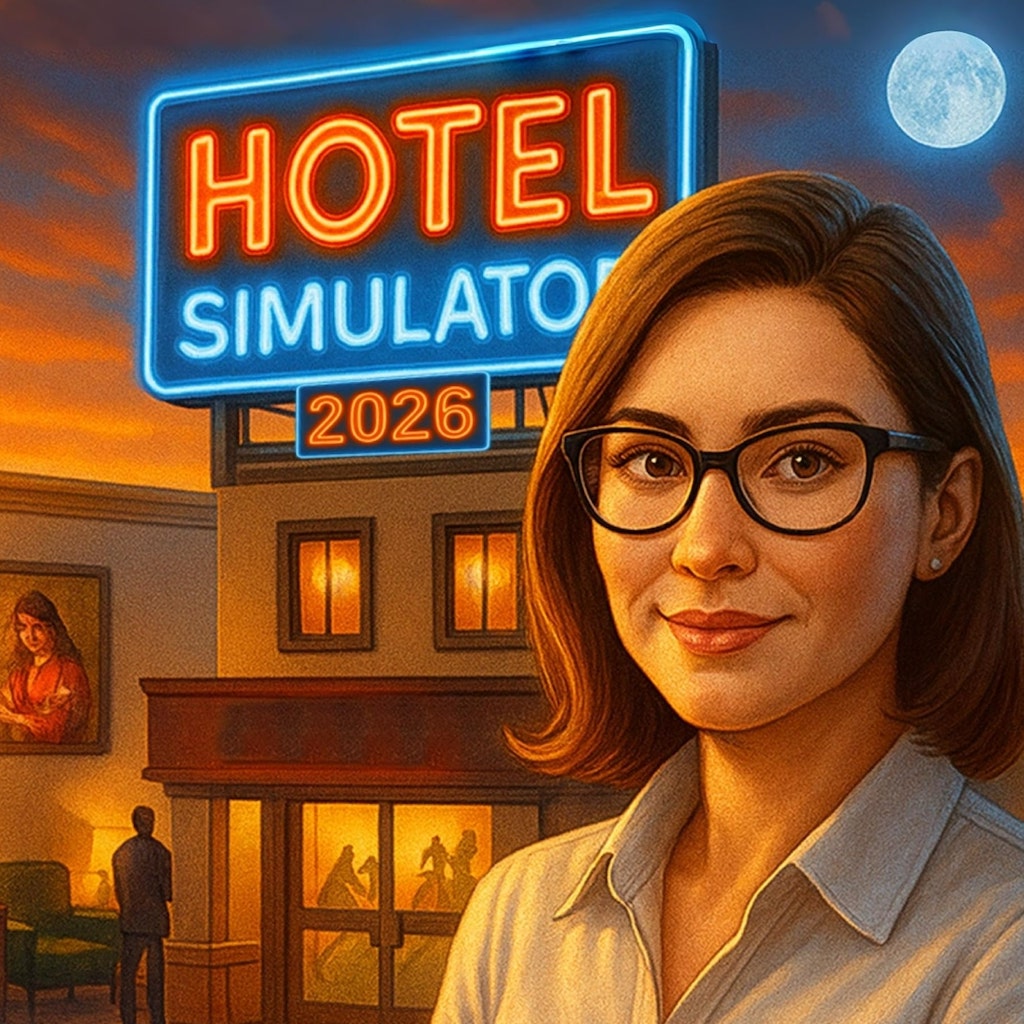
Hotel Simulator 2026 arrives as one of the most ambitious hospitality management simulations in recent years, blending deep operational systems, narrative ambition, and strategic nuance into a polished whole. Far from merely assigning rooms and balancing budgets, the game asks players to engage with guest psychology, staff dynamics, market positioning, and evolving hotel trends across seasons and events. It’s a title that will appeal to both dedicated management simulation fans and those seeking a slower, more thoughtful strategic experience.
Set in a contemporary hospitality landscape, Hotel Simulator 2026 challenges players to design, build, and manage everything from boutique inns to sprawling luxury resorts. With a dynamic economic model, responsive AI behaviours, and a layered tech tree of upgrades, the game rewards both tactical decisions and long-term planning. It’s a measured, immersive simulation that rarely rushes you, but consistently presents meaningful choices that shape the fortunes of your virtual hospitality empire.
Hotel Design and Customisation
Central to the experience is the hotel construction and design suite, which offers a surprising level of freedom and depth. Players start with a modest plot and budget, and are tasked with creating spaces that balance aesthetics, functionality, and guest satisfaction. Every choice matters: room layouts impact walk flow and service speed, décor choices influence guest mood and brand identity, and amenity placement (pools, lounges, dining) affects revenue streams and occupancy.
The interface for building is intuitive but sophisticated. Drag-and-drop placement, snap-to-grid tools, zoning options, and modular fixtures allow for both efficient layouts and creative expression. This system rewards experimentation; it’s entirely possible to build a highly profitable but stylistically incoherent space, or a visually stunning resort that flounders financially. The interplay between design and performance is one of the game’s most compelling features.
Customization extends beyond architecture into branding. Players can name their hotel, choose visual themes, curate signature services, and even select marketing personas targeted at specific customer demographics. These choices don’t merely affect flavour text — they shape market performance, repeat guest likelihood, and event popularity.
Guest Behaviour and AI Systems
One of Hotel Simulator 2026’s standout achievements is its guest AI. Rather than treating visitors as static demand points, the game models individual preferences, moods, and behavioural patterns. Every guest arrives with a profile — budget, ideal room type, amenity preferences, patience levels, and even seasonal mood influences. Some seek luxury and exclusivity, while others prioritise value or social spaces.
This complexity elevates decision-making beyond simple supply and demand. For example, a minimalist, budget-oriented lobby may satisfy economy guests but alienate those seeking prestige; a rooftop spa might allure luxury tourists while being under-utilised by business travellers. Observing guest feedback, adapting service offerings, and refining your branding niche becomes an ongoing managerial dance.
Guest feedback is communicated through an elegant UI that balances clarity and detail. Satisfaction metrics, review snippets, and behavioural flags provide insight into individual and demographic trends without overwhelming the player with raw data. This allows you to make informed adjustments, such as swapping décor, rerouting housekeeping priorities, or adjusting price tiers.
Staff Management and Operational Depth
Beyond bricks and mortar, operational systems provide core challenges. Staffing is not merely a cost centre but a strategic resource. Every hire — front desk managers, housekeepers, chefs, concierges — comes with unique skills, personality traits, strengths, and weaknesses. Turnover, morale, workload balance, and training opportunities all impact performance.
Hotel Simulator 2026 implements an intuitive staff management system that encourages attentiveness rather than micromanagement. You can define role priorities, assign teams to shifts, and create strategic rotations that balance service quality with cost control. Morale systems subtly influence guest outcomes: overworked staff become slower and less accurate, resulting in service delays or complaints. Investing in training can yield tangible returns in guest satisfaction and long-term reputation.
The balance between staff efficiency and payroll expenditure becomes a consistent strategic tension. Expanding too quickly without adequate personnel management can lead to overbooking disasters, service lapses, and declining reviews — all of which carry real financial consequences.
Economy, Events, and Strategic Challenges
A dynamic economic model underpins the simulation. Room prices fluctuate with seasonal demand, special events draw unique markets, and regional developments — such as new transit lines or local festivals — influence guest flows. Hotel Simulator 2026 challenges you to think beyond static pricing: you’re expected to adjust strategies proactively in response to market shifts.
Special events are a particular highlight. They can range from conventions and weddings to holiday crowds and VIP tours. Each event type carries unique guest types and expectations, incentivising players to tailor offerings and staffing accordingly. Successfully handling a high-profile event can yield significant bonuses and reputation boosts, while mismanagement can cascade into complaints and financial setbacks.
Marketing and competitive positioning are also present. Players can launch promotional campaigns, sponsor local attractions, or differentiate their brand to attract niche markets. These systems are optional for casual players, but they add meaningful depth for those who enjoy layered strategic play.
Visuals and Presentation
Visually, Hotel Simulator 2026 prioritises clarity and functional aesthetics over hyper-realism. Environments are clean, readable, and packed with meaningful visual cues: lighting, décor, guest clusters, signage, and zoning boundaries are all communicated with clarity. Room interiors are distinctively designed and easy to interpret at a glance, making it simple to understand guest movement and service flow.
UI design is a strong asset. Menus, dashboards, and metrics are presented without clutter, offer contextual help, and scale well from detailed micromanagement to macro-level overviews. Animations — from guests checking in to housekeeping teams at work — help bring the simulation to life without feeling distracting.
Accessibility and Audience
Hotel Simulator 2026 balances accessibility and depth well. Tutorials are comprehensive but unobtrusive, and early missions guide players through core mechanics at a manageable pace. For newcomers to the genre, complexity is introduced gradually rather than all at once.
For seasoned simulation fans, the layered systems — guest psychology, staffing intricacies, and dynamic events — offer substantive challenges that reward long-term planning and strategic fluidity. The game’s flexibility in difficulty and optional features ensures it isn’t narrowly tailored to one audience segment.
Challenges and Weaknesses
While Hotel Simulator 2026 is an impressive management title, it isn’t without shortcomings. Occasionally, the depth of simulation leads to opaque outcomes — sudden swings in guest satisfaction or revenue dips that are not immediately obvious in cause can frustrate players. The feedback system is strong overall, but there are moments where correlations between decisions and results feel indirect or buried beneath competing variables.
Additionally, while the pacing ramps effectively, some later challenges can feel overwhelming without careful planning. Players who focus too heavily on aesthetics early on may find themselves struggling to balance operational demands later in the campaign.
Final Verdict
Hotel Simulator 2026 is a standout title in the management simulation genre. It combines deep systems, smart AI behaviours, strategic breadth, and approachable design into a cohesive, rewarding experience. Whether you’re a seasoned simulation enthusiast or a curious newcomer, there’s enough here to satisfy your appetite for tactical decision-making and creative hotel design.