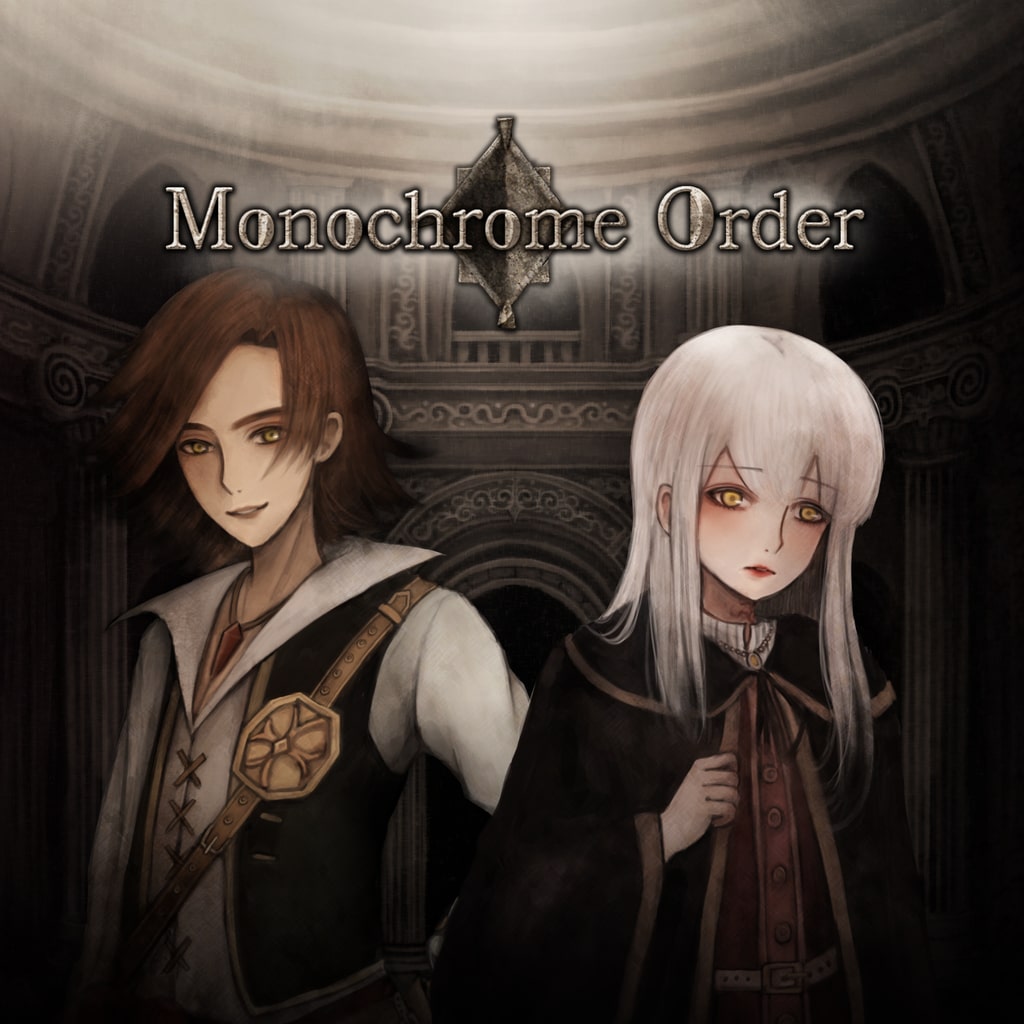
In a market crowded with RPGs and strategy games, Monochrome Order, developed by Obsidian Feather Studios, distinguishes itself with a striking art style, a morally complex narrative, and gameplay that balances tactical depth with emotional storytelling. This dark, atmospheric experience immerses players in a world where every choice has weight, alliances are fragile, and the line between right and wrong is rarely clear.
Story & Setting
Monochrome Order takes place in a war-torn, monochromatic world teetering on the brink of collapse. Players assume the role of a commander tasked with unifying factions, making difficult moral choices, and navigating a narrative where consequences are unavoidable. The world is steeped in lore, with each region, faction, and character reflecting the somber tone suggested by the game’s title.
The narrative is compelling and emotionally charged, combining political intrigue, personal tragedy, and moral ambiguity. Players must navigate delicate negotiations, betrayal, and ethical dilemmas, often making decisions that have long-reaching consequences. Dialogue and story events are rich and nuanced, with multiple branching paths and endings based on player choices. The game does not shy away from grim subject matter, delivering a thought-provoking and mature storyline that rewards careful attention.
Gameplay: Tactical Depth and Player Choice
Gameplay in Monochrome Order blends tactical combat with decision-making and resource management. Battles are turn-based, emphasizing positioning, unit synergy, and careful planning. Each unit has distinct abilities and strengths, encouraging players to experiment with strategies and adapt to evolving battlefield conditions.
The game’s signature feature is its intertwining of combat and narrative choice. Decisions made outside battle—such as negotiating with factions, choosing which territories to defend, or deciding how to treat civilians—directly affect combat scenarios, unit morale, and story progression. This integration ensures that the player feels the weight of their actions both on and off the battlefield.
Tactical encounters are challenging but fair. Enemy AI is intelligent, requiring players to anticipate movements, exploit weaknesses, and manage resources efficiently. Battles are visually clear, with distinct indicators for unit ranges, abilities, and turn order, making strategic planning intuitive without sacrificing depth.
Visuals & Audio
As the title implies, Monochrome Order excels in its monochromatic aesthetic, using shades of black, white, and gray to create a visually striking world. This minimalist palette emphasizes contrasts, highlighting characters, interactive objects, and enemy positions, while reinforcing the game’s somber mood. Animations are fluid, and unit designs are detailed and expressive, allowing players to connect with characters despite the limited color scheme.
The audio complements the visuals perfectly. A haunting, orchestral soundtrack sets the tone for political intrigue and tense battles, while environmental sounds—footsteps on stone, distant clashes, and subtle ambient noises—enhance immersion. Sound cues during combat, such as attack animations and ability effects, provide clear feedback, ensuring that strategic decisions feel precise and impactful.
Strengths & Weaknesses
Pros:
- Deep, morally complex narrative with multiple branching paths
- Strategic turn-based combat with meaningful consequences
- Unique monochromatic art style that reinforces the tone and atmosphere
- Choices and consequences integrated into both story and gameplay
- Immersive audio design and thematic soundtrack
Cons:
- Difficulty curve may be steep for newcomers to strategy RPGs
- Monochrome palette, while striking, may feel visually restrictive for some
- Long dialogue sequences can slow pacing between battles
- Some players may find moral ambiguity challenging or uncomfortable
Replayability & Longevity
Replayability is a strong point for Monochrome Order. With multiple branching storylines, faction relationships, and endings, players are encouraged to experiment with different strategies, moral choices, and alliances. Battles can also be approached with varying tactics, offering alternative methods for success.
A single playthrough takes roughly 15–20 hours, but full exploration of all narrative outcomes, unit strategies, and hidden secrets can extend gameplay significantly. The combination of tactical depth and narrative branching ensures that each replay feels fresh and rewarding.
Final Verdict
Monochrome Order is a standout indie strategy RPG that combines tactical gameplay with morally complex storytelling and a visually striking aesthetic. Its challenging battles, meaningful choices, and immersive world create an experience that is both intellectually engaging and emotionally resonant. While it may be intimidating for casual players due to difficulty and narrative depth, fans of strategic gameplay and morally driven storytelling will find it deeply satisfying.