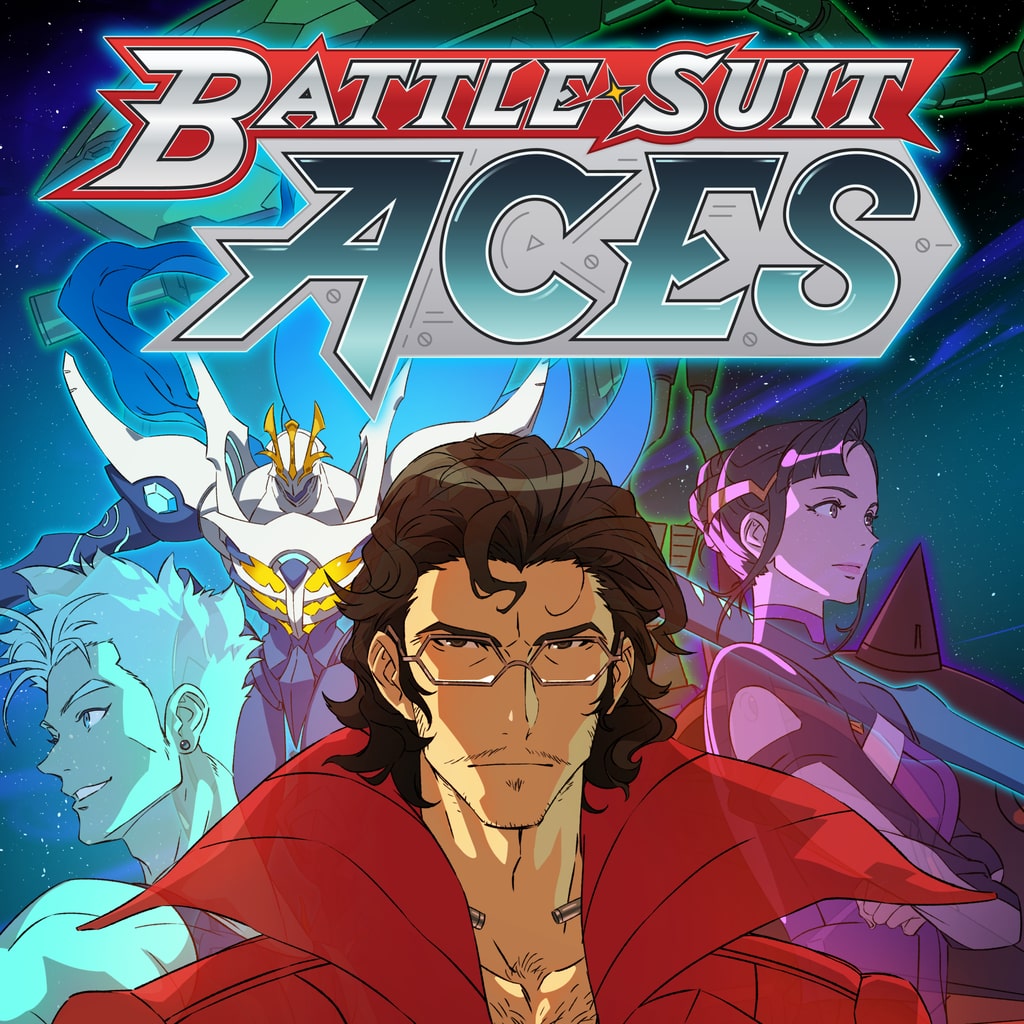
From the makers of Battle Chef Brigade, Battle Suit Aces takes a daring leap into mech‑anime territory, blending card‑based strategy, character‑driven storytelling, and a hand‑drawn aesthetic that oozes personality. If you’ve ever wanted to pilot giant robots in a dramatic space opera while building decks and forging friendships, this game hits many of the right buttons.
Story & Setting
You take command of the starship USS Zephyr, leading a rag‑tag crew on a quest to uncover alien superweapons—“Relic Suits”—and stop a galaxy‑threatening menace. The narrative embraces the melodrama of classic mecha anime: big speeches, sacrifices, quirky pilots, and the inevitable “found family” vibes. With over 50 fully‑voiced characters, branching choices influenced by which factions you ally with, and a tone that swings between serious and lighthearted, the story offers more than your average card‑battler.
It’s not perfect—some dialogue leans into trope territory, and at times the crew’s chirpy optimism feels at odds with cosmic peril—but the character work is solid, and the interplay between deck‑building and narrative gives the whole experience surprising emotional weight.
Gameplay: Decks, Mechs & Moments
At its core Battle Suit Aces serves up five‑versus‑five card battles that feel quick, strategic and tuned for both newcomers and card‑game veterans. You’ll build your squad of mech pilots (cards), mod their suits with upgrades, and assign them to roles on your ship that provide passive bonuses. On the battlefield you deploy pilots, drones and special commands; positioning, timing, and energy management all matter.
What’s refreshing is how the battle system manages to be both approachable and layered. Early on you’ll feel comfortable just playing strong cards, but as you unlock more pilots and mods you begin crafting synergies: shields that trigger when a suit is destroyed, drones that buff nearby pilots, special command cards that change the tide of battle. The “which faction do you add to your deck?” and “which pilot do I bond with?” decisions carry weight, not just in narrative but in how your deck behaves.
Between missions the game leans into the visual‑novel side: you interact with your crew aboard the Zephyr, upgrade your suit mods, tweak your deck, and choose your next destination. These pacing moments are vital—they give the “epic mecha card battles” context and heart.
Visuals & Audio
Visually, the game is a triumph. The art style channels late 70s/80s super‑robot anime with broad strokes, vibrant colours, expressive character portraits and mech designs you’d be proud to see on a VHS box. Each card is beautifully rendered; the battlefield glows with energy as suits clash and drones drill in. The UI is slick, readable and friendly—even when the action ramps up.
Audio similarly hits high marks. Excellent voice acting brings the crew to life, the soundtrack pulses with orchestral flair and synth bursts, and the mech‑impact sound design satisfies that “thud” you expect when a giant robot punches something big. On the PS5 version, load times are short and the overall polish is high (based on current impressions).
Strengths
- Fantastic synthesis of genre: Card battling, mech anime, RPG narrative and deck customization all feel well integrated.
- Strong character work: More than half the cast is voice‑acted, and you genuinely care about the crew’s fates.
- Flexible strategy: Build decks, mod suits, pick factions—lots of build variety and replay potential.
- Top tier presentation: Art, animation, sound all combine to create a memorable atmosphere.
Weaknesses
- Light repetition: Some missions lean on similar enemy sets and strategies; the loop can feel familiar after many hours.
- Narrative tone sometimes uneven: The brightness of the characters occasionally clashes with the cosmic stakes.
- Complexity ceiling modest: While approachable, advanced players might find the strategy less deep than dedicated card‑tactics games.
Replayability & Longevity
At roughly 10–12 hours for a full play‑through (depending on how deep you dive into side content), Battle Suit Aces hits a comfortable length. But the replay value comes from deck experimentation, faction paths, and character relationships. Want to build a shield‑heavy deck with the “support” faction? Done. Prefer overload‑burst mechs and aggressive tactics? Go for it. The branching narrative means alternate crew interactions and endings also exist, so returning for a second voyage is compelling.
Final Verdict
Battle Suit Aces doesn’t reinvent the card‑battle wheel, but it refines and dresses it up for a mech‑anime obsession with heart. If you’ve ever wanted to pilot giant battle suits, befriend a colourful crew in space, and orchestrate card combos that lead to big, cinematic robot explosions, this is your game. It’s warm, stylish, strategic—and just a little over‑the‑top in all the best ways.
Whether you’re a fan of deck‑builders, mecha anime, or narrative‑rich RPGs, Battle Suit Aces invites you aboard the Zephyr for a ride through starlight and steel.