There is something uniquely unsettling about being asked to watch the same piece of film over and over again. We are used to horror games throwing monsters, darkness and sudden noises at us, but One Last Clip takes a much simpler idea and turns it into something surprisingly unnerving. You are trapped inside a cinema with no idea how you got there, and your route to freedom depends on spotting a subtle mistake in a short film. Get it right and you move forward. Get it wrong and the whole ordeal begins again.
It is a wonderfully simple premise, but One Last Clip understands that repetition can be every bit as frightening as a monster jumping out of a cupboard. The more familiar the footage becomes, the more suspicious every little detail starts to feel. Was that object always there? Did the character move differently? Was something lurking in the background that you missed the first time? It turns an otherwise innocent act of watching a film into a test of concentration, where paranoia becomes part of the gameplay.
Welcome to the Cinema
The story begins in a suitably mysterious fashion, with the player waking in a storage room in a strange cinema. There is no comforting explanation waiting for you, only a set of instructions detailing what must be done to escape. The message is blunt enough to make the situation immediately uncomfortable: watch the film, identify whether it contains a flaw, choose the correct exit, and continue until you eventually reach Cinema Hall 0.
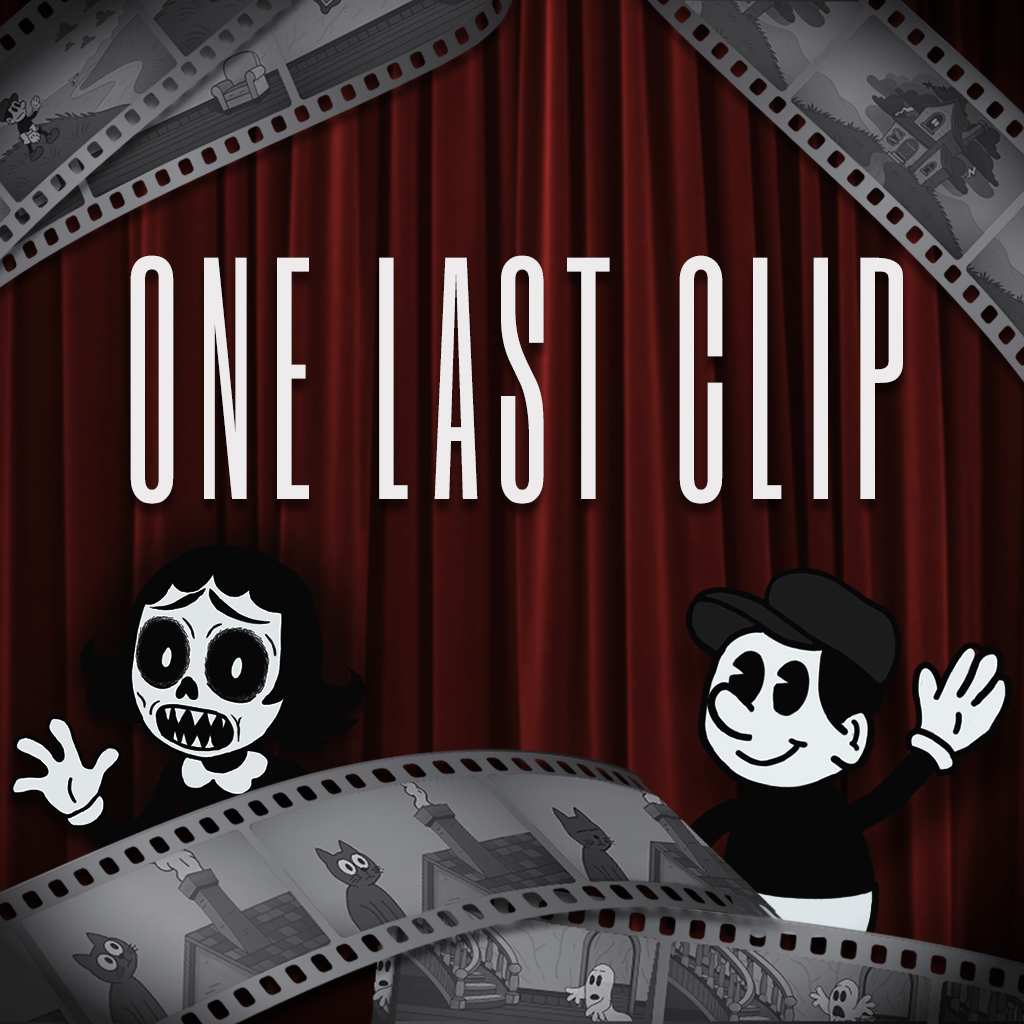
The film itself, Paper Panic, revolves around Jim and his paper plane. On the surface, it sounds harmless, almost childlike, but the more time you spend watching it, the more uncomfortable its underlying story becomes. There is a deliberate contrast between the mundane nature of the footage and the increasingly sinister environment surrounding you, and that contrast gives One Last Clip much of its personality.
The cinema is not simply a menu screen between challenges either. Strange things can happen around you while you are attempting to concentrate, creating distractions designed to make you question what deserves your attention. The game repeatedly tells you not to let these events interfere with your judgement, which naturally makes them considerably harder to ignore. It is a clever little psychological trick because the player knows they should concentrate on the film, yet every creak, movement or unexplained occurrence makes that increasingly difficult.
A Horror Game About Paying Attention
The core gameplay is remarkably straightforward. You sit down, watch the clip, study what happens, and then decide whether you have spotted something that does not belong. There are two exits, one for a normal clip and the other if you believe the footage contains a flaw. Make the correct decision and you continue. Make the wrong one and you are punished by being sent back towards the beginning.
That simplicity is one of the game’s greatest strengths. There are no complicated inventories to learn, elaborate skill trees, or combat systems competing for your attention. Instead, One Last Clip asks you to use something much more basic: your memory. The challenge comes from recognising tiny inconsistencies rather than defeating enemies, and that can become surprisingly tense when you know that one careless decision could undo your progress.
The repetition also works particularly well because you gradually become conditioned to scrutinise everything. A character’s movement, an item on a table, something in the background, or even a seemingly insignificant change in the environment can suddenly become important. It creates that wonderful moment when you realise you have seen something before but cannot quite remember whether it was actually different.
This makes One Last Clip feel almost like a horror version of those spot-the-difference puzzles, except the consequences are much more unpleasant. The game does not necessarily need to overwhelm you with mechanics because the basic premise is already capable of generating tension. Sometimes simply wondering whether you have made the right choice is enough.
The Cinema Becomes the Monster
The setting deserves plenty of credit because the cinema itself becomes an increasingly unsettling presence. What initially seems ordinary gradually feels wrong, with empty corridors, strange rooms and an atmosphere that suggests you are being watched. There is something inherently creepy about a deserted cinema at the best of times, and the game makes good use of that familiar environment.
The presentation understands that horror does not always require constant action. Darkness, silence and unexplained noises can be far more effective when the player is already concentrating intensely on something else. While you are trying to remember a tiny detail from Paper Panic, a sound from behind you can suddenly become impossible to ignore. That tension between observation and distraction is where the game’s horror really comes alive.
There are also moments when the cinema appears to react to your situation, adding an extra layer of uncertainty. The game encourages you to treat these events as distractions, but that instruction almost makes them seem more suspicious. You start wondering whether the cinema is deliberately testing you, whether something else is happening behind the scenes, or whether your character is simply losing their grip on reality.
That uncertainty gives One Last Clip more personality than its basic premise might suggest. It is not simply a memory test with spooky decorations. It wants you to feel uncomfortable even when nothing is happening.
Paper Panic
The short film at the centre of everything is perhaps the game’s most important ingredient. Paper Panic needs to be watched repeatedly, and that repetition could easily have become tedious if the footage itself were uninteresting. Thankfully, the strange story of Jim and his paper plane gradually becomes something you want to understand rather than merely tolerate.
The clever part is how your relationship with the footage changes. During the first viewing, you are simply trying to understand what you are watching. After a few repetitions, you are no longer watching it like a film. You are analysing it, memorising positions, checking movements and questioning details that would normally pass unnoticed.
That shift in perspective is important because it transforms the player from an audience member into an investigator. The film becomes evidence, and every viewing is another opportunity to find something you missed. It is a surprisingly effective way of making a small amount of content feel more substantial.
There is also a darker narrative lurking beneath the strange imagery, which gives the experience a little more weight than a straightforward observation challenge. One Last Clip clearly wants curiosity to pull you forward, even when the cinema itself is doing everything it can to make you uncomfortable.
Atmosphere Does the Heavy Lifting
Visually, One Last Clip embraces the unsettling qualities of an empty cinema rather than relying entirely on spectacular horror effects. Darkened halls, storage areas and abandoned spaces create a constant sense of isolation. The subdued presentation allows small details to stand out, which suits a game built around noticing things other players might overlook.
Sound is arguably even more important. The quiet atmosphere of an empty building leaves plenty of room for distant noises, unexplained movements and sudden disturbances to make an impression. The sound design recognises that if the player is already concentrating on a film clip, even a relatively minor noise outside the screening room can be deeply distracting.
That is where the game’s horror and puzzle mechanics complement each other beautifully. The horror aims to make you nervous, while the puzzle demands concentration. The more frightened you become, the easier it is to overlook something obvious. Conversely, the harder you concentrate, the more aware you become of everything happening around you.
A Clever Little Nightmare
There are limitations, of course. The central mechanic is deliberately narrow, and anyone seeking a traditional survival horror experience packed with exploration, combat and elaborate puzzles may find One Last Clip somewhat restrained. Repetition is also an intentional part of the design, but players who dislike replaying the same sequence several times could find the structure frustrating.
I also think the experience could have pushed its ideas even further. The concept of identifying anomalies in repeated footage has enormous potential, particularly when combined with a genuinely disturbing psychological horror story. Even so, what is here works remarkably well because the game knows exactly what kind of experience it wants to provide.
Most importantly, One Last Clip understands that horror can come from uncertainty. You are not constantly being chased. You are not expected to empty a magazine into everything that moves. Instead, you are sitting in a cinema, trying to decide whether a tiny detail was different from what you remember, while something strange may be happening just outside the room.
Final Verdict
One Last Clip is a clever little horror experience that turns observation and memory into surprisingly effective sources of tension. Its premise is simple, but the combination of repeated film footage, environmental distractions and an increasingly unsettling cinema creates a distinctive atmosphere that lingers. There is something wonderfully uncomfortable about being told to concentrate on a harmless little film while everything around you quietly suggests you should be looking elsewhere.
It is not the biggest or most mechanically ambitious horror game you will play, and that is perfectly fine. Its strength lies in taking one idea and building an entire experience around it. The satisfaction of spotting a flaw is matched by the anxiety of wondering whether you have spotted the right one, while the strange happenings around the cinema ensure that even the quieter moments never feel completely safe.
For players who enjoy psychological horror, observational puzzles and experiences that get under the skin rather than simply throwing monsters at the screen, One Last Clip is well worth a look. It may only ask you to watch one last clip, but by the time the credits roll, you might find yourself questioning just how closely you were watching everything else.