Few platformers enjoy the reputation that Rayman Legends has built over the past decade. Released in 2013, it quickly earned recognition as one of the greatest 2D platformers ever made, combining gorgeous art direction, impeccable level design, inventive musical stages, and some of the finest co-op gameplay in the genre. Even today, it remains easy to recommend.
That fact poses an unusual challenge for Rayman Legends Retold. Unlike many modern remakes that revive forgotten classics or repair ageing mechanics, Ubisoft is revisiting a game that still feels fresh. For some fans, the announcement sparked immediate excitement. For others, it raised a simple question: why remake a masterpiece when the original still holds up so well?
After examining everything revealed so far, Rayman Legends Retold appears to be far more ambitious than a standard visual remaster. Whether that ambition proves successful remains to be seen, but Ubisoft certainly deserves credit for taking risks.
More Than a Fresh Coat of Paint
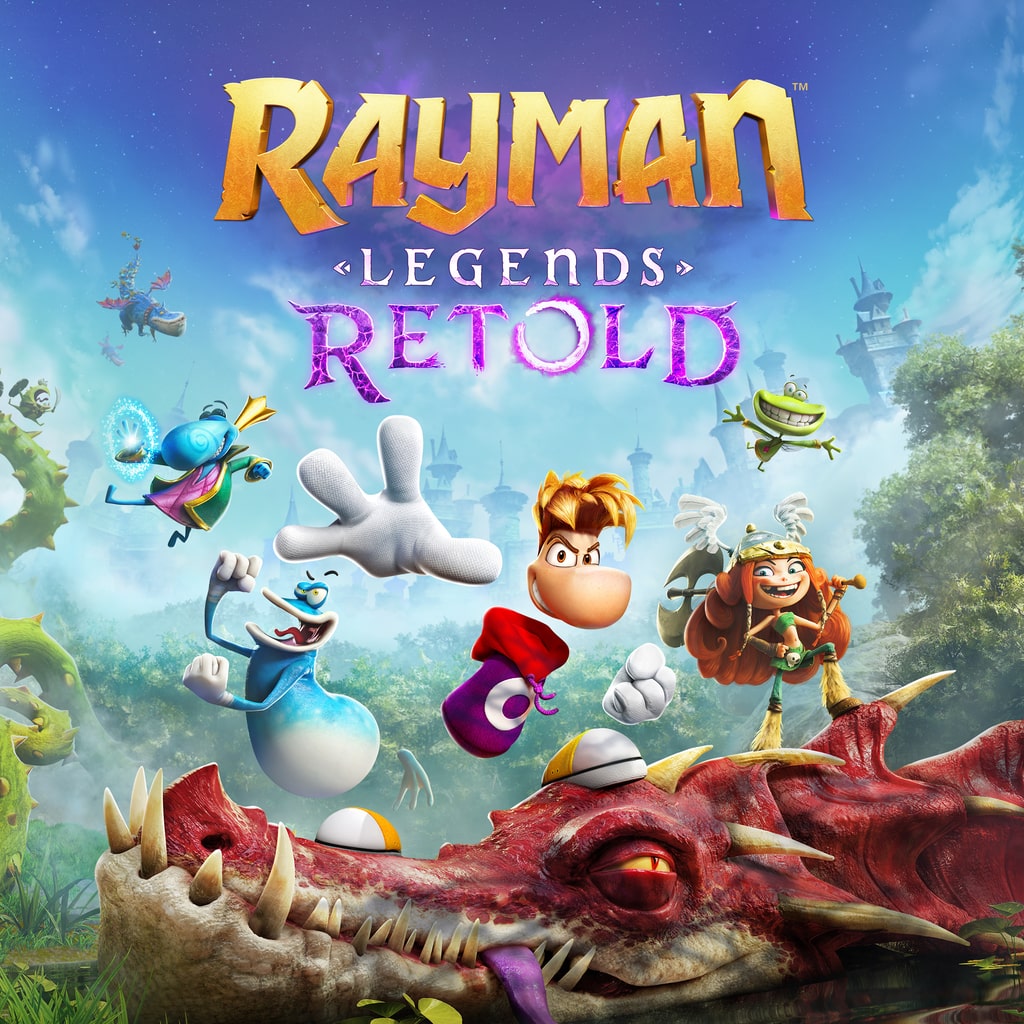
The easiest way to describe Retold is as a reimagining rather than a straightforward remake. While the core framework of Rayman Legends remains intact, Ubisoft Montpellier and Ubisoft Milan are clearly seeking to reshape the experience to feel both familiar and new. The original’s hand-drawn UbiArt presentation has been replaced by a modern visual approach powered by the Snowdrop Engine, creating a world that sits somewhere between classic side-scrolling platforming and modern 3D adventure design.
The shift is immediately noticeable. Environments appear significantly deeper, with layered scenery stretching into the distance and dynamic camera movements revealing far more of the world than before. Rather than treating levels as flat stages, Retold seems determined to create the illusion of a living, breathing Glade of Dreams.
That visual ambition has sparked plenty of discussion among longtime fans. Some have praised the increased detail and cinematic scope, while others argue that the original’s illustrated art style remains unmatched. From what we’ve seen so far, both perspectives have merit. The new visuals look undeniably impressive, but replacing one of gaming’s most distinctive artistic identities was always going to be controversial.
A New Story for Familiar Heroes
Perhaps the most surprising addition is the expanded narrative. The original Rayman Legends was never heavily focused on storytelling. It provided enough context to move players from one imaginative world to another, but the gameplay remained the clear star of the show. Retold changes that formula considerably.
A mysterious new villain has emerged, spreading corruption throughout the Glade of Dreams and giving Rayman and his companions a larger adventure to undertake. More importantly, the game introduces fully voiced cutscenes and spoken dialogue for the franchise’s iconic cast.
For many players, hearing Rayman, Globox, Barbara, and the Teensies speak for the first time will feel genuinely strange. The series has relied heavily on visual storytelling and expressive animation for decades. Introducing traditional dialogue represents one of the boldest changes Ubisoft has attempted. Whether this addition enhances the characters’ charm or diminishes some of their timeless appeal remains one of the biggest unanswered questions heading into launch.
Expanding the World
One area where Retold appears particularly promising is exploration. The original game’s painting-based hub structure served its purpose well, but it was largely functional. Players selected a stage and jumped straight into the action. Retold replaces that system entirely with fully explorable hub environments tied to individual regions.
Areas such as the Stinkbog and Mystic Mesa now function as miniature playgrounds filled with secrets, collectibles, hidden Teensies, and interactive details. Rather than merely selecting levels from a menu, players will spend time exploring these spaces before launching into the main stages.
This change could prove significant. One of the strengths of older Rayman adventures, particularly Rayman 2, was the sense of inhabiting a coherent world rather than a collection of disconnected levels. These new hubs appear designed to recapture some of that spirit while preserving the fast-paced platforming the series is known for.
Dragon Flights Could Be a Wildcard
Among the newly revealed features, the dragon flight sequences may prove the most divisive. Replacing the mosquito-riding sections from previous games, these segments introduce fully 3D on-rails gameplay in which players soar through the skies while dodging obstacles and battling giant creatures. The inspiration appears to come from classic arcade shooters, creating moments that diverge sharply from traditional platforming. On paper, the idea sounds exciting.
Rayman has always thrived on experimenting with different mechanics. Musical levels, chase sequences, and vehicle sections helped keep previous games fresh. The dragon flights seem poised to continue that tradition. The challenge will be ensuring they complement the platforming rather than distract from it. If they remain infrequent highlights, they could add welcome variety. If they overstay their welcome, they risk interrupting the flow that made Legends so beloved.
The Return of Musical Magic
Thankfully, one feature almost everyone seems excited about is the return of the musical stages. These levels remain some of the finest examples of rhythm-based platforming ever created. Timing jumps, attacks, and movements to perfectly synchronised music transformed ordinary platforming into something unforgettable. Retold not only brings these fan favourites back but also introduces four entirely new musical stages.
Christophe Héral’s involvement is reason enough for optimism, but Grant Kirkhope’s addition raises expectations even further. Between them, they represent two of the most celebrated composers in gaming, and the prospect of hearing their styles blend is genuinely exciting. If Ubisoft can recapture the magic of stages like Castle Rock and Mariachi Madness while introducing equally memorable new compositions, the soundtrack alone could become one of the remake’s biggest selling points.
Tremendous Value on Paper
One aspect of Retold that deserves praise is the package itself. Including Rayman Origins: Enhanced Edition alongside the remake significantly strengthens the overall value proposition. Rather than asking players to pay full price for a single reimagined adventure, Ubisoft is offering two landmark platformers in one package.
That decision may help soften criticism of the remake’s existence. Even players who remain sceptical about the changes to Legends can still enjoy a polished, modernised version of Origins. In an era when some remakes launch with surprisingly thin content, Retold appears refreshingly generous.
The Biggest Question Remains
Despite everything shown so far, one question continues to dominate community discussion. Why Rayman Legends? The original remains widely available, visually impressive, and mechanically brilliant. Many fans would have preferred a completely new sequel or a remake of Rayman 2, a game that has been requested for years.
It is a fair question. At the same time, Retold seems determined to justify its existence through meaningful additions rather than simple visual upgrades. New story content, explorable hubs, expanded music stages, dragon flights, and significant presentation changes suggest that Ubisoft is attempting something far more ambitious than a straightforward remaster. Whether those changes ultimately improve upon the original is impossible to judge until release.
Early Verdict
Rayman Legends Retold looks set to be one of 2026’s most intriguing platforming projects. It carries enormous expectations, not because the original was flawed, but because it was so exceptional.
The new visuals are stunning, the expanded world shows promise, and the return of the musical stages alone is enough to spark excitement. At the same time, changes to the art style, character designs, and overall structure will inevitably divide longtime fans.
For now, Retold appears poised to become either a bold reinvention worthy of its legendary source material or one of gaming’s most hotly debated remakes. Either way, Rayman is finally back in the spotlight, and that alone feels worth celebrating.