There is something timeless about old campfire stories. Long before horror games filled screens with jump scares and scripted monsters, fear lived in whispers about what waited beyond the firelight. Stories passed between exhausted travellers and weathered ranch hands carried a different kind of terror. It was slower. Colder. The kind that settled into your bones as the wind moved through empty trees. Hauntsville understands that feeling better than most modern survival games.
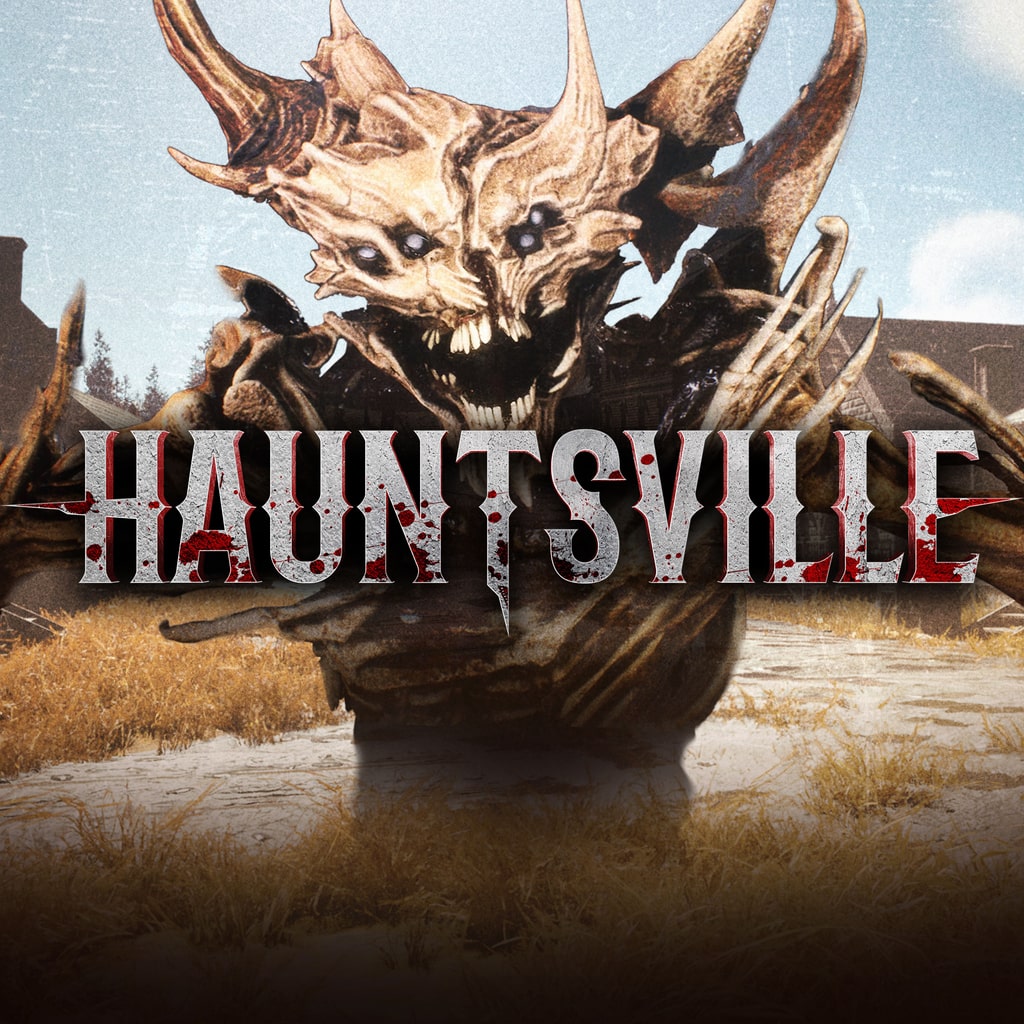
Developed by Michael Janisch and published by indie.io, Hauntsville drags survival horror into the American frontier and wraps it in folklore, isolation, and desperation. Set in a cursed mountain valley in the late 1800s, the game blends crafting, exploration, and cooperative survival with creatures drawn from North American legends. The result is a haunting experience unlike anything else on the market right now.
At first glance, it resembles familiar survival sandboxes. Chop wood. Build shelter. Hunt animals. Search abandoned buildings for supplies. But Hauntsville carries an atmosphere that constantly transforms ordinary tasks into nerve-wracking decisions. Every sunset feels like a warning. Every distant howl makes you question whether venturing farther into the woods was worth the risk. And when night finally arrives, the game reveals its true identity.
A Frontier Consumed By Fear
The setup is wonderfully simple. You arrive in a remote settlement expecting safe passage over the mountains, only to find the town abandoned. The horses are gone. The locals have vanished. Whatever happened here left behind silence and bloodstains. The valley itself becomes the story.
Unlike many survival games that bury players in lore entries and exposition dumps, Hauntsville trusts environmental storytelling. Dilapidated saloons creak in the wind. Mines disappear into blackness. Half-finished meals remain untouched in cabins where nobody ever returned. The world constantly hints at tragedy without overexplaining. That restraint gives the setting tremendous power.
Exploring the ghost town at dusk became one of my favourite experiences this year. Lantern light barely pushes back the darkness, and the game’s sound design does most of the heavy lifting. Footsteps crunch through mud with unsettling clarity. Trees groan in the distance. Sometimes you hear something moving nearby, only for the forest to remain completely still when you investigate. The game understands that anticipation is often scarier than confrontation. When monsters finally emerge, they feel earned.
Survival That Rewards Patience
Mechanically, Hauntsville sits somewhere between The Forest, Red Dead Redemption 2, and classic folk horror. You gather resources in daylight while preparing for increasingly dangerous nights.
The crafting system is detailed without becoming exhausting. Chopping trees, forging tools, mining ore, and building shelters all feel grounded in the period setting. Firearms carry weight and are scarce. Ammunition matters. Reloading in a panic can be disastrous.
There is a wonderful sense of vulnerability throughout the experience. Early on, even basic wolves feel threatening. Later, when supernatural creatures begin stalking the valley, survival becomes less about domination and more about preparation.
The day-night cycle creates the game’s strongest rhythm. Daytime exploration feels calm enough to lull you into a false sense of security. Then darkness falls, visibility collapses, and suddenly every journey home becomes terrifying.
One night, while returning from a mining trip with barely enough iron to craft better ammunition, a storm rolled across the valley. Rain reduced visibility to almost nothing. Mud slowed movement. Somewhere behind the trees, something massive followed me all the way back to camp without ever fully revealing itself. Very few games sustain tension so naturally.
Folklore Becomes The Real Monster
The creature design deserves enormous praise for avoiding reliance on overused horror archetypes. Rather than zombies or generic demons, many enemies draw on regional folklore and frontier mythology. Without spoiling too much, several encounters genuinely caught me off guard simply because they felt unfamiliar. The monsters are unsettling precisely because they are strange. Some stalk silently. Others mimic sounds. A few seem more interested in psychologically tormenting players than in attacking directly. The unpredictability keeps the horror fresh long after most survival games would settle into repetition.
Even better, the AI systems create emergent moments that feel unscripted. Areas that once seemed safe can suddenly become deadly. Weather changes alter visibility and movement. Predators may wander into town unexpectedly. Sometimes you enter a cabin believing you have finally found shelter, only to realise something reached it first. That constant uncertainty gives the game real staying power.
Cooperative Survival Done Right
While Hauntsville can absolutely be played solo, co-op play elevates the experience dramatically. Up to four players can survive together, and the game cleverly encourages teamwork without imposing rigid roles. One player may focus on hunting while another crafts ammunition or fortifies camp. During larger monster attacks, communication becomes essential. More importantly, playing with friends enhances the game’s atmosphere rather than diminishing it.
Many horror games lose their tension in co-op because chaos becomes comedy. Hauntsville still allows funny moments, especially when panic sets in, but fear remains intact. When darkness swallows the forest and someone whispers that they saw movement near camp, everyone stops laughing immediately. There is genuine magic in those moments.
The frontier setting also gives co-op sessions a sense of shared hardship that feels oddly immersive. Sitting around a campfire while a storm rages outside creates surprisingly memorable downtime between encounters.
Rough Edges In The Dust
For all its strengths, Hauntsville is not flawless. Animations occasionally lack polish, especially in melee combat. Enemy hit detection can feel inconsistent in chaotic fights, and some crafting menus could be better organised. Performance also dips during intense weather effects, particularly when multiple enemies crowd the screen. The pacing may divide players as well.
This is not a fast survival experience. It prioritises atmosphere and gradual escalation over constant action. Some players expecting non-stop combat may grow impatient during slower stretches focused on gathering resources or travelling across the valley.
Solo play can occasionally feel too punishing in the early hours, particularly before unlocking stronger weapons and better crafting options. Death penalties are harsh enough to create tension, but losing significant progress after a long session can still sting.
Yet strangely, many of these frustrations contribute to the game’s identity. The world feels hostile because survival is difficult. Supplies matter because resources are limited. Nights feel terrifying because you never truly become comfortable. The discomfort serves the experience.
A Horror World That Feels Alive
What impressed me most about Hauntsville was its commitment to atmosphere. So many modern survival games chase endless progression systems and bloated live-service structures. Hauntsville stays focused. It wants players to feel stranded, vulnerable, and isolated in a hostile wilderness haunted by stories older than civilisation itself. It succeeds beautifully.
The authenticity of its setting gives the experience enormous weight. The weapons, architecture, clothing, and environmental details all feel carefully researched. Even the way characters move through the world carries a grounded heaviness that suits the era. This is a game fascinated by loneliness.
Even in quiet moments, the valley feels somehow wrong, as though the land itself resents your presence. Few horror games manage to create such a strong sense of place.
Final Verdict
Hauntsville is one of the most atmospheric survival horror games in recent memory. Its blend of frontier authenticity, folklore-inspired terror, dynamic survival mechanics, and oppressive sound design creates an experience that feels deeply immersive and genuinely unsettling.
It occasionally struggles with rough technical edges and deliberate pacing, but its atmosphere carries it through those weaker moments. This is not a survival game interested in empowering players. It wants you cold, exhausted, paranoid, and staring nervously into the dark beyond your campfire. And honestly, it is far better for it. For players willing to embrace its slower rhythm and punishing wilderness, Hauntsville offers a haunting journey through one of gaming’s most distinctive horror settings.