Few horror series have managed to establish a unique identity like The Coma. Since its debut in 2015, the franchise has blended Korean folklore, psychological horror, and survival mechanics into something that feels entirely its own. While many horror games rely on jump scares or excessive gore to unsettle players, The Coma has always excelled at building dread through atmosphere, mystery, and the unsettling sense that something is watching from just beyond the darkness.
With The Coma 3: Bloodlines, developer Dvora Studio brings the long-running Sehwa High School saga to a close. It is an ambitious finale that expands the world far beyond the familiar school corridors while maintaining the tension and unease that have defined the series from the beginning. More importantly, it feels like a conclusion that respects both its characters and the players who have followed their stories for over a decade.
Bloodlines is not simply another chapter. It is the culmination of years of storytelling, unanswered questions, and lingering nightmares. The result is arguably the strongest entry the series has produced.
Three Perspectives, One Nightmare
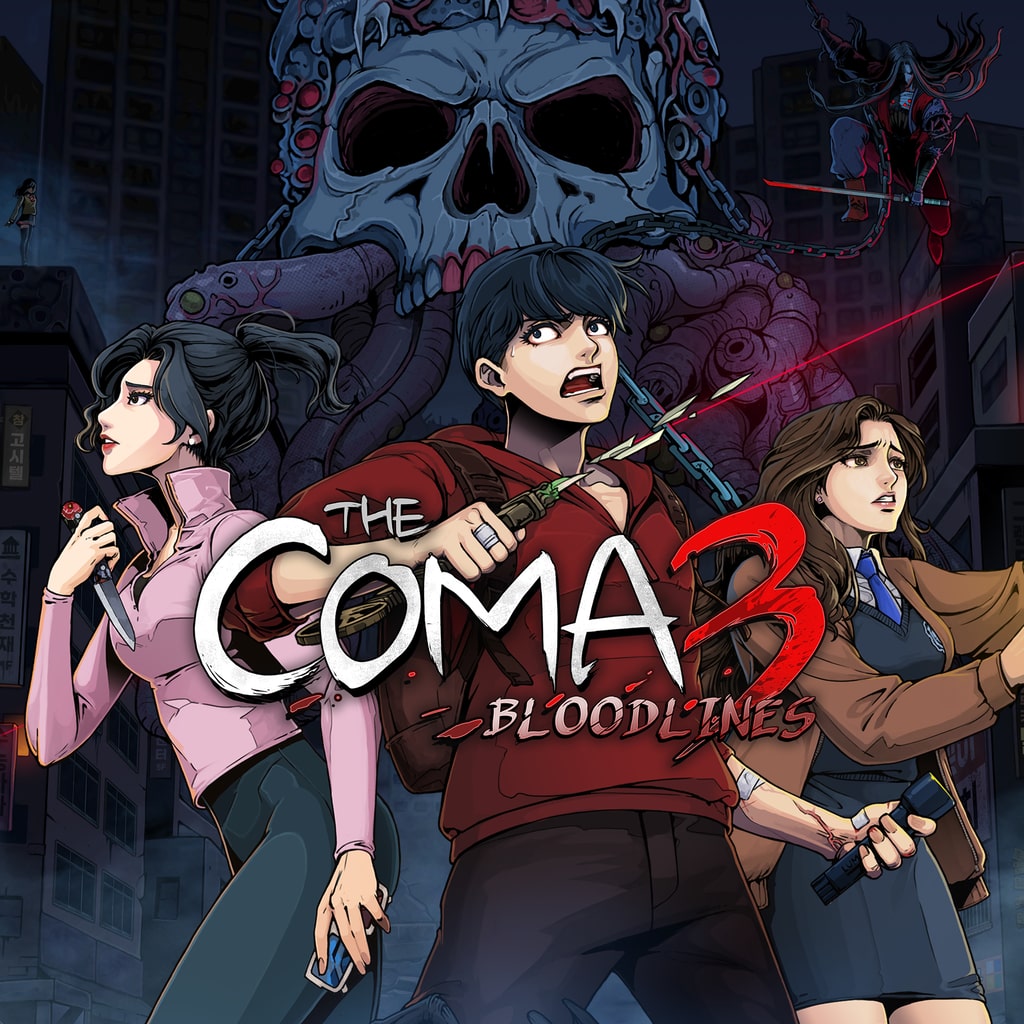
One of the game’s greatest strengths is its narrative structure. Rather than focusing on a single protagonist, Bloodlines lets players experience events through the eyes of three familiar characters: Youngho, Mina, and Jihyun. Each character brings their own perspective, motivations, and emotional baggage, creating a more layered narrative than previous entries.
The shifting viewpoints work remarkably well. Events that initially seem straightforward gradually reveal deeper implications as different characters uncover their own pieces of the puzzle. The game consistently rewards long-time fans with revelations that connect directly to previous instalments, while remaining accessible to newcomers willing to invest in the unfolding mystery.
The writing deserves particular praise for how it handles the themes of guilt, sacrifice, and legacy. Beneath the supernatural horrors and occult conspiracies lies a surprisingly human story about people struggling to escape the consequences of the past. There are moments of genuine emotional weight throughout the campaign, particularly as the characters confront truths that have haunted them for years.
What impressed me most was how confidently the narrative embraces Korean folklore and cultural influences. The Coma has always stood apart from Western horror for its willingness to explore local myths, curses, and urban legends. Bloodlines continues that tradition beautifully, creating a setting that feels fresh even for seasoned horror fans.
The Run-and-Hide Formula Evolves
Mechanically, The Coma 3 remains faithful to the series’ established formula. It is still very much a survival horror experience built around evasion rather than combat. You cannot fight back against the horrors stalking you. Your only options are to run, hide, and hope you survive long enough to uncover the truth.
That familiar framework receives several important refinements. The most noticeable change is in the game’s level design. Previous entries often relied on larger, more open environments where players could gradually learn patrol routes and navigate around threats. Bloodlines adopts a more compact approach, creating tighter spaces that significantly heighten tension.
Every room feels dangerous. Every corridor becomes a potential trap. The smaller environments create a constant sense of vulnerability that rarely lets up. Even routine exploration carries an underlying anxiety because escape routes are rarely as obvious as they first appear.
This design philosophy works particularly well during the game’s numerous chase sequences. When danger appears, there is little time to formulate a plan. Survival becomes an instinctive scramble through narrow passages and unfamiliar rooms as panic threatens to overwhelm rational thought.
New Horrors Lurk Within The Coma
The introduction of four new major boss entities adds another layer of unpredictability to the experience. These aren’t simple reskins of previous stalkers. Each has distinct behaviours, movement patterns, and methods of hunting their prey.
Learning to survive encounters with these creatures becomes a central part of the gameplay loop. What works against one threat may prove completely ineffective against another. This variety prevents the hide-and-seek mechanics from becoming repetitive, keeping players constantly on edge throughout the campaign.
The bosses themselves are wonderfully grotesque creations. Drawing inspiration from cursed history, folklore, and distorted human fears, they embody the series’ trademark blend of psychological and supernatural horror. Their visual designs are disturbing without relying on excessive shock value, making them memorable additions to The Coma’s growing rogues’ gallery of nightmares.
There were several moments when simply hearing one of these creatures approaching was enough to trigger genuine anxiety. The game understands that anticipation is often far more frightening than confrontation.
Atmosphere Thick Enough To Suffocate
If there is one area where Bloodlines truly excels, it is atmosphere. Few modern horror games sustain such a consistent sense of dread from beginning to end.
The hand-drawn art style remains one of the series’ defining strengths. Character portraits are beautifully illustrated, environments drip with oppressive detail, and the shadowy mirror world of The Coma has never looked more unsettling. Every location feels haunted by history, tragedy, and secrets best left buried.
The audio design elevates the experience further. Footsteps echo through abandoned corridors. Distant creaks suggest unseen movement. Laboured breathing grows louder as tension mounts. The soundtrack knows exactly when to remain silent and when to unleash waves of unnerving ambience.
Together, these elements create an atmosphere that feels almost tangible. It is the kind of horror that slowly wraps around you rather than attacking outright. Long after you stop playing, certain sounds and images linger in your memory.
A Few Cracks In The Darkness
As strong as Bloodlines is, it occasionally struggles under its own intensity. The increased aggression of enemy patrols can sometimes interfere with the slower investigative aspects that helped previous entries establish their pacing.
There are moments when you desperately want to read a journal entry, examine environmental details, or absorb a piece of lore, only to be interrupted by another incoming threat. While this certainly reinforces the feeling of danger, it can become frustrating when repeated too often.
The game’s compact environments, while excellent for tension, can also make navigation feel slightly restrictive. Certain objectives require backtracking that risks breaking momentum, particularly in the later chapters.
Some text presentation issues are also noticeable on smaller displays. Dialogue remains perfectly readable, but certain menus and notes feel slightly cramped. It is a minor complaint, though one worth mentioning for players who prefer handheld gaming.
Final Verdict
The Coma 3: Bloodlines is everything a series finale should be. It expands the world’s scope, deepens its mythology, answers long-standing questions, and delivers genuine emotional payoff for dedicated fans. At the same time, it never loses sight of what made The Coma special in the first place: an oppressive atmosphere, relentless tension, and a uniquely Korean approach to horror storytelling.
The new locations, multiple protagonists, and terrifying boss encounters push the formula forward without sacrificing its identity. While the relentless pace occasionally overshadows quieter investigative moments, the overall experience remains gripping from beginning to end.
Most importantly, Bloodlines feels like a labour of love. Dvora Studio clearly understands the world they have built and the audience that has supported it over the years. The result is a haunting, nerve-racking, and deeply satisfying conclusion to one of indie horror’s most distinctive sagas. For fans of survival horror, psychological storytelling, and folklore-infused nightmares, this is a journey well worth taking.