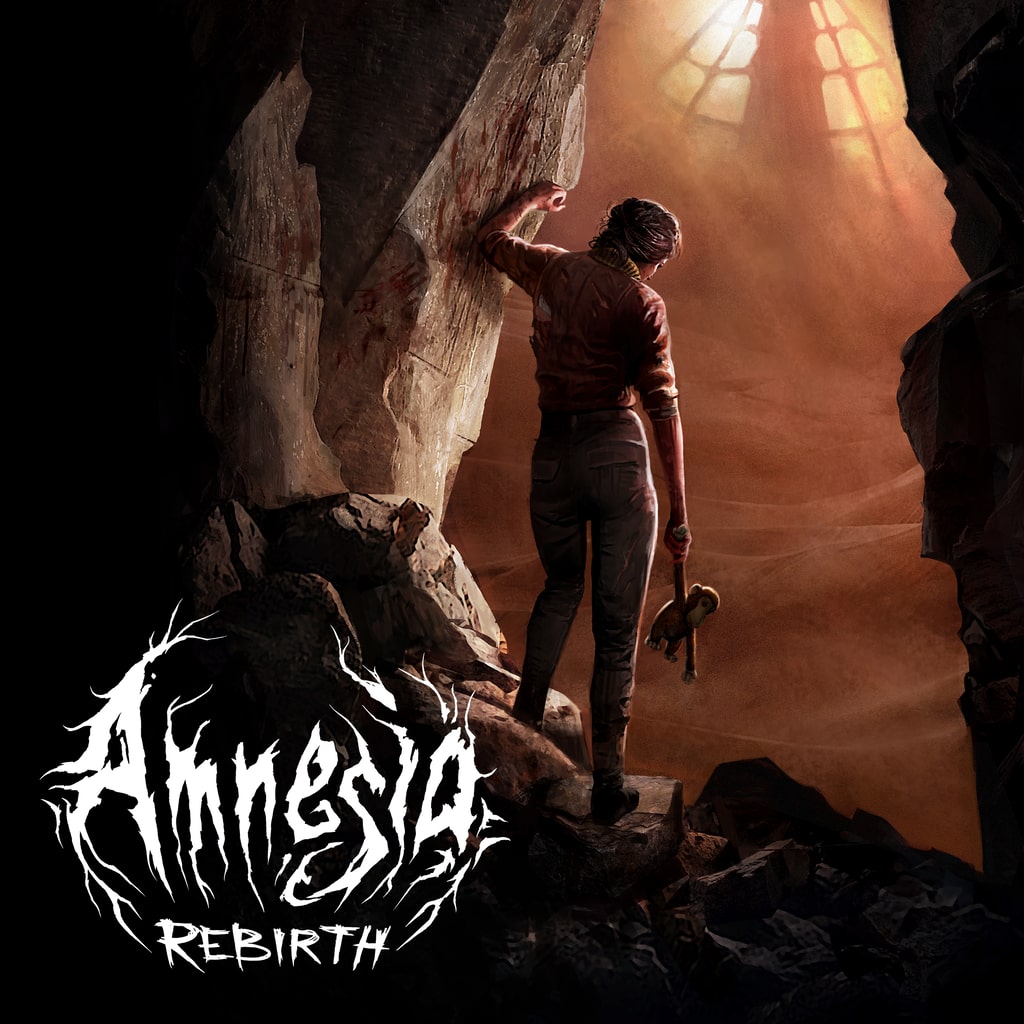
When Amnesia: Rebirth was released in 2020, it carried the weight of expectation. Frictional Games had already defined a generation of horror with Amnesia: The Dark Descent, a game built on suffocating dread and helplessness. Rebirth does not try to recreate that formula. Instead, it shifts the focus inward.
Now arriving on Nintendo Switch 2, the game feels newly relevant. Not because it has changed, but because its quieter, more reflective horror has aged remarkably well.
You play as Tasi Trianon, a survivor of a plane crash in the Algerian desert. From the opening moments, the tone is clear. This is not a story about simply escaping monsters. It is about piecing together who you are, what you have lost, and what you are trying to protect.
The desert setting immediately sets it apart. Gone are the tight, gothic corridors of earlier entries. In their place are vast, open spaces that feel just as oppressive, though differently. The emptiness presses in. The silence stretches. You are exposed, yet never safe.
Memory as a Mechanic
Rebirth is built around fragmentation. Tasi’s memories are broken, scattered across the world in notes, echoes, and fleeting recollections. As you explore, you are not just moving forward. You are reconstructing a life.
This is where the game finds its voice. Themes of grief, motherhood, and survival are woven directly into the experience. They are not presented as background details. They are central to everything. Tasi’s journey is as much emotional as it is physical, and the game never lets you forget that.
There are moments when the horror steps back, replaced by quiet reflection. These sections will not appeal to everyone, but they give the story room to breathe. They allow the player to connect with Tasi in a way that goes beyond fear. It is a risk, but one that largely pays off.
Tension Without Constant Threat
Amnesia: Rebirth does not rely on relentless pressure. Instead, it builds tension gradually. Darkness remains a key element. Staying in the shadows for too long affects Tasi’s mental state, distorting her perception of the world. The mechanic returns from earlier games, but it feels more integrated here. It is not just about avoiding monsters. It is about managing fear itself.
When threats do appear, they are effective precisely because they are not constant. Encounters are spaced out, allowing anticipation to do much of the work. You are never entirely sure when you are safe, which keeps the tension simmering.
That said, this approach has its drawbacks. Players expecting the unrelenting dread of The Dark Descent may find Rebirth less intense. There are stretches when the game leans heavily into narrative and puzzle-solving, and the pacing can feel uneven as a result.
Puzzles and Progression
The puzzle design sits somewhere between traditional adventure logic and environmental interaction. Most solutions are grounded in the world. You search for tools, manipulate objects, and piece together clues. It rarely feels abstract, which helps maintain immersion. However, the pacing can slow, particularly when solutions are not immediately clear.
These sections can break the flow, especially when they interrupt the narrative momentum. They are not overly difficult, but they can feel like obstacles rather than natural extensions of the experience.
Still, when everything aligns, exploration and problem-solving work together well. Moving through the world feels purposeful, even when the path forward is uncertain.
Atmosphere Above All
If there is one area where Rebirth excels without question, it is atmosphere. Frictional Games understands how to build a space that feels alive, even in its stillness. The Algerian desert, ancient ruins, and otherworldly environments all carry a sense of history and unease.
Lighting plays a crucial role. Flickering lanterns, deep shadows, and sudden bursts of brightness create a visual language that keeps you constantly alert. Sound design is equally strong. Distant echoes, subtle environmental cues, and moments of silence all contribute to the tension.
The Nintendo Switch 2 version deserves credit here. Improved performance and visual clarity help these elements shine. Playing in handheld mode does not diminish the experience. If anything, it enhances the intimacy of the experience.
A More Personal Horror
What sets Amnesia: Rebirth apart is its focus on personal stakes. This is not just a story about surviving external threats. It is about confronting internal ones. Tasi’s fears, regrets, and determination are integral to the experience. The game asks you to consider not only what is happening but also why it matters.
There are moments of genuine emotional weight here. They do not rely on shock or spectacle. Instead, they build slowly, drawing you into Tasi’s perspective.
This approach will not resonate with everyone. Some players may prefer the more straightforward horror of earlier entries. But for those willing to engage with its themes, Rebirth offers something more layered.
Where It Falls Short
Despite its strengths, the game is not without flaws. Pacing remains the biggest issue. The balance between narrative, puzzles, and horror is inconsistent. Some sections feel drawn out, while others pass too quickly.
The reduced emphasis on constant threat can also diminish the sense of danger. Without that pressure, certain moments lose their impact. There is also a sense that the game occasionally over-explains itself. Where The Dark Descent thrived on ambiguity, Rebirth sometimes leans too heavily into exposition.
The Final Word
Amnesia: Rebirth is not a sequel that plays it safe. It builds on the series’ foundation to create something more introspective. It is less concerned with keeping you afraid at every moment and more interested in leaving a lasting impression. That shift will divide players. Some will miss the relentless tension of earlier games, while others will appreciate the deeper focus on character and theme.
What cannot be denied is the craftsmanship behind it. The atmosphere, storytelling, and emotional weight all come together to create an experience that feels deliberate and thoughtful. It may not be as immediately terrifying, but it is harder to forget.