There’s an early moment in Kristala when everything feels just a little off. Not broken, not unfair, just subtly different. You dodge an attack you’re certain should have caught you, only to realize the enemy hesitated just a fraction longer than expected. Later, you mistime a parry and get punished more harshly than you thought possible. It doesn’t feel inconsistent. It feels like the game is watching you, learning your shape, and nudging the experience in ways you can’t quite predict. That’s exactly what’s happening.
Set in the fractured world of Ailur, Kristala is a dark fantasy action RPG that wears its inspirations openly. There are echoes of Dark Souls and Sekiro: Shadows Die Twice here, but it’s not content to simply imitate. Its core idea is that the game adapts to you, shifting its difficulty in real time based on how you play. That’s a bold and ambitious concept. Sometimes brilliant, occasionally uneven, but rarely forgettable.
Claws Out, Mind Sharp
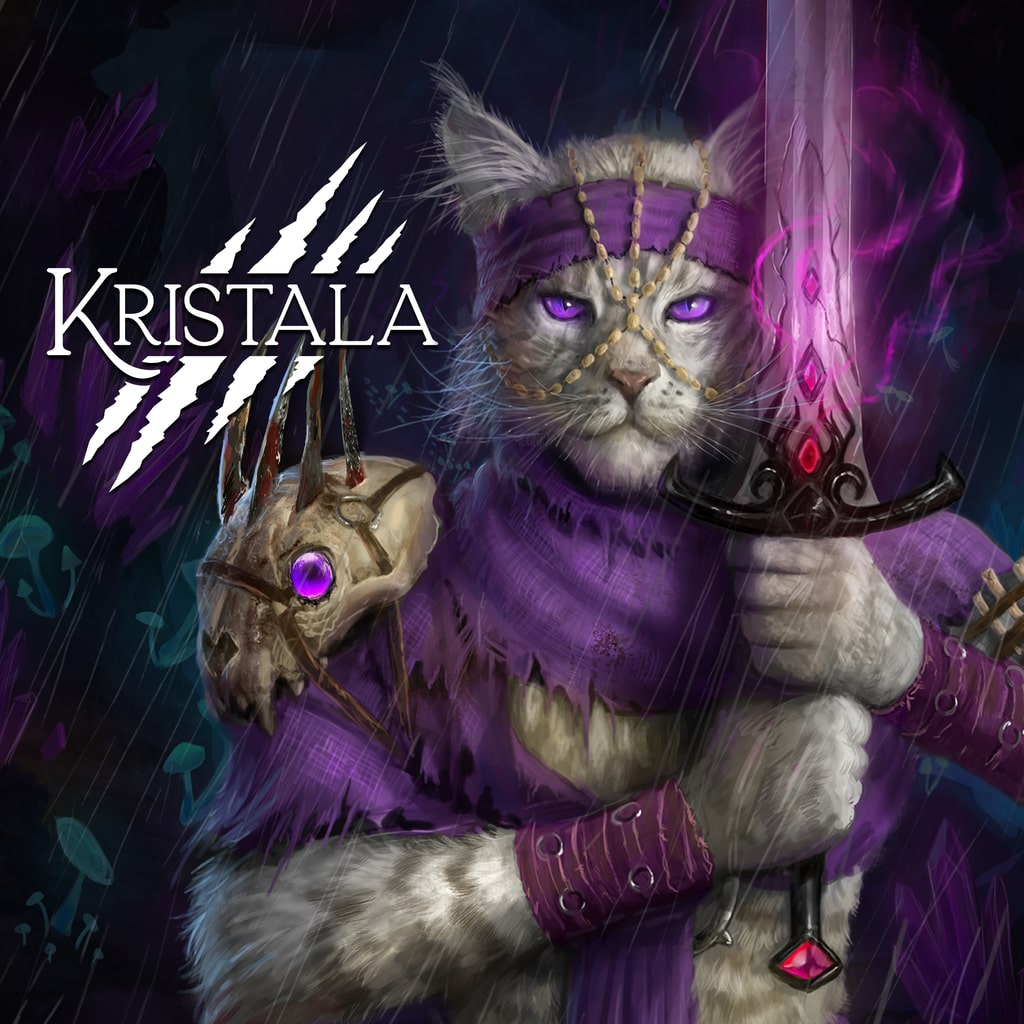
Combat is where Kristala truly makes its mark. You step into the shoes of a feline warrior, part of one of six clans, each with its own magical essence and unique approach to battle. At first glance, it might seem like a stylistic twist, but in reality, it shapes the very soul of the game.
Movement feels quick and almost graceful, as if the actions are part of a dance. Dodges are light and responsive, attacks connect smoothly, creating a rhythm that rewards patience without ever slowing down. You’re encouraged to stay close, to engage actively, and to take risks that keep your heart pounding.
While blocking, dodging, and deflecting all have their roles, it’s deflection that truly opens up possibilities. Timing a perfect deflect and then landing a critical strike gives a sense of achievement, a feeling that you have mastered the moment. It’s not solely about surviving, but about mastering the dance.
Add to this the ability to equip and cycle through multiple spells, turning combat into a layered performance. Melee attacks regenerate your mana, spells carve out space around you, and everything flows back into a cohesive loop. When it all comes together, it feels exhilarating, almost alive.
A World Built for Movement
What makes Kristala stand out among its peers is the way it embraces movement beyond combat. This is a game that encourages you to climb, leap, and explore with genuine enthusiasm. The feline parkour isn’t just a gimmick; it’s thoughtfully integrated into the level design, constantly inviting curiosity and engagement.
You’ll notice ledges that seem just out of reach, winding paths that loop back on themselves, and hidden routes that only reveal themselves once you’ve unlocked new abilities. It brings a refreshing sense of verticality to a genre often characterized by slower, more deliberate movement.
There’s a natural flow to exploring Ailur. Moving through it doesn’t feel like a chore; it feels like an extension of your character’s personality. When you combine movement with combat—darting in, striking quickly, then slipping away before the counterattack—you create moments that come across as almost effortless, making each encounter feel alive and fluid.
The System That Watches You
The dynamic difficulty system stands out as the most daring idea in the game, and also its most unpredictable element. Conceptually, it adjusts enemy aggression, timing windows, and overall pressure depending on how you’re performing. When you’re struggling, the game seems to give you a bit more breathing space, creating moments where things feel almost gentle. Conversely, skilled players are met with tighter windows and more challenging encounters that test their limits. In practice, this results in a strange, shifting rhythm that keeps you on your toes. Sometimes it feels as if the game isn’t really there, simply matching your pace and keeping the experience engaging. At other times, you can sense its presence clearly, noticing enemies behaving just a little differently—enough to throw you off. For some, this variation can be refreshing, a welcome twist in the gameplay. For others, it might feel as if the ground beneath your feet is constantly shifting, creating a sense of instability.
There’s also an intriguing psychological side to it. Knowing the game adapts as you play can lead to second-guessing your own progress. Did you genuinely improve, or did the game just ease up? Was that boss fight easier because you learned its patterns, or because the system subtly adjusted itself in the background? It’s not exactly a flaw, but it does influence how you perceive your growth and achievements throughout the game.
Clans, Magic, and Identity
Character customization in Kristala feels surprisingly nuanced. Your choice of clan not only determines your magical path but also influences the spells you’ll craft and hone as you progress. When combined with your initial class, it lays down a foundation that you can develop further through leveling up and equipment choices. There’s a real sense of flexibility here. You might choose to dive deep into magic, wielding ranged control and elemental damage with precision. Alternatively, you could focus on a more physical, close-quarters fighter, with spells serving as supportive tools.
This adds a touch of life through visual customisation. Fur patterns, colours, and armour options let your character really stand out, making them uniquely yours in the world. It’s a small detail, but it brings your experience to life. You’re not just playing a role; you’re shaping one, creating something personal and alive.
A Story Told in Pieces
Kristala’s story follows a route that’s familiar to many: a world in decline, a spreading curse, and a quest to find its origin. What truly gives it life is the way the story is told. Drawing inspiration from its predecessors, the game relies heavily on environmental storytelling—notes, memories, and interactions with NPCs gradually reveal what happened to Ailur. It doesn’t rush to give all the answers but invites you to pay close attention. Some players will find this approach deeply immersive, feeling as if they are truly part of the world. Others might see it as a little distant, missing the warmth that draws you in.
The world itself does a lot of the heavy lifting, telling its story through ruined structures, corrupted landscapes, and the creatures that inhabit them. Each element hints at a deeper history, inviting you to piece together a narrative rather than simply being told one. While it doesn’t always hit every emotional note perfectly, there’s enough here to draw you in and keep you invested, as you uncover the mysteries woven into this forgotten realm.
Where It Stumbles
Despite its many strengths, Kristala has its flaws. The dynamic difficulty system, while intriguing, sometimes makes the sense of progression feel unclear. There are moments where encounters seem inconsistent, not due to poor design, but because they subtly shift in ways that aren’t always easy to notice.
Combat feels smooth overall, but in tighter spaces it can sometimes come across as a bit imprecise. During chaotic fights, the camera can become an obstacle, especially when facing multiple enemies at once.
Additionally, the game still seems to be searching for its true identity. It borrows heavily from established titles, and although it introduces some fresh ideas, it doesn’t always manage to shed those shadows and find its own voice.
The Feeling It Leaves Behind
What stays with you after Kristala isn’t just the battles or the world itself. It’s the sense of being part of something that strives to grow and change with you. Sometimes it moves forward. Other times, it falters. But that feeling, that connection, remains.
It never really feels static. There’s a constant sense of motion in everything — how you move, how you fight, how the game responds. This creates an experience that feels deeply personal, even when it’s imperfect, as if it has a soul of its own.
Verdict
Kristala is an ambitious, characterful action RPG that combines familiar ideas with daring innovations. Its combat feels smooth and rewarding, while its movement system gives a refreshing sense of freedom. The game’s dynamic difficulty keeps each journey unique, making every playthrough feel fresh.
Sometimes, the balance isn’t perfect, and its shifting nature can make it harder to follow your progress. But when everything clicks, it creates a truly engaging experience. More than just mastering the mechanics, it’s about how the game responds and evolves around you, learning who you are as a player.