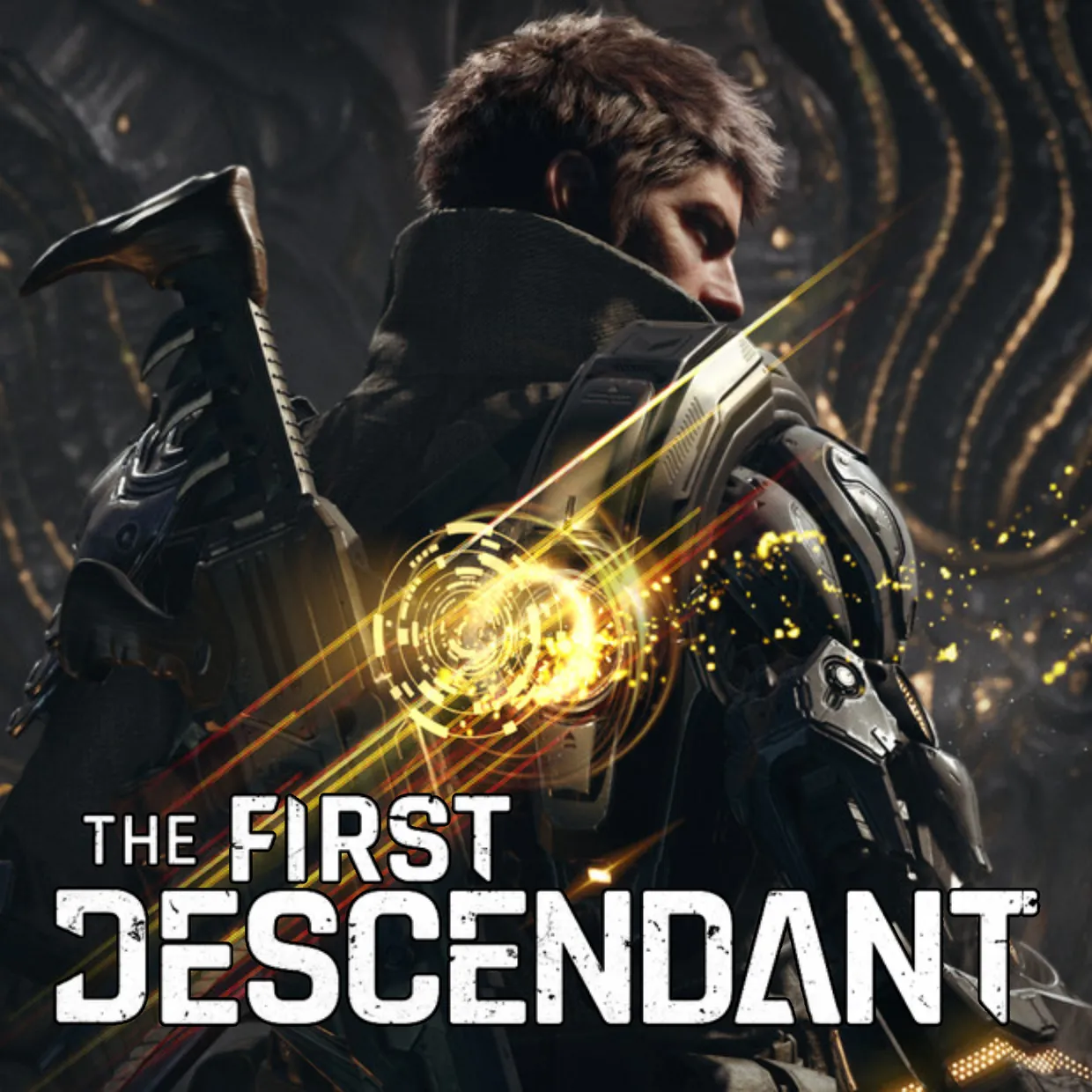
At its core, The First Descendant is a visually striking, fast‑paced looter‑shooter with serious potential. Developed by Nexon, it delivers slick gunplay, stylish characters, and a co‑op experience that can be genuinely fun—especially early on. Unfortunately, beneath the polish lies an underwhelming story, repetitive mission design, and monetisation systems that hamper long‑term enjoyment. It’s a decent free‑to‑play pick for fans of the genre—but far from a standout.
Story & Setting
The First Descendant places you in the role of one of the Descendants—elite mercenaries fighting the alien “Vulgus” threat across different zones. The world features exotic sci‑fi environments, large “colossi” boss fights, and a variety of hero characters each with their own design and abilities. The visual direction is strong: vibrant colours, smooth animations, and a sense of scale when facing off against cascades of enemies or massive bosses.
However, the narrative itself is thin. It often feels like a placeholder for the loot‑shooter systems rather than a compelling story in its own right. Critics have described the writing as generic and easy to forget, while mission framing leans heavily on familiar tropes. As you progress, the story transitions into more repetitive turf control and shoot‑out tasks that lack the emotional weight or originality of top‑tier shooters.
Gameplay: Action & Abilities
Where The First Descendant earns its keep is in its moment‑to‑moment gameplay. The gunplay is tight: weapons feel powerful, shots connect with satisfying feedback, and the ability system adds dimension. Each Descendant brings unique traversal and power abilities—grappling hooks that allow vertical movement, flashy ultimate skills, and rapid engagement mechanics that keep things moving. These elements make co‑op matches fun and frenetic, delivering bursts of exhilaration when your team works well.
Boss fights—for instance, the large “Void Intercept” colossi—offer some of the best moments the game has to offer. These encounters provide an adrenaline‑rush: giant enemy, multiple weak spots, team strategies and cinematic spectacle all wrapped together. In those moments, The First Descendant shows exactly what it could be.
On the flip side, much of the non‑boss gameplay becomes repetitive relatively quickly. Missions often recycle objectives (defend the node, kill waves, capture points), and enemy variety is thin—many foes feel like reskins rather than uniquely designed threats. The open zones feel large and impressive, but they lack density of meaningful content. As one reviewer put it, “Its character play‑styles are fresh and interesting, but under‑baked gimmicks, overly familiar ideas, and underwhelming encounters make it hard to recommend.” In short: the execution often falls short of the idea.
Visuals & Audio
Visually, the game is impressive. On capable hardware, texture detail, lighting and effects are excellent—gunfire, explosions, environment transitions all look and feel premium. Character models and animations are high quality, traversal feels smooth and engaging. Audio similarly does its job well: weapons sound satisfying, the ambience supports the sci‑fi mood and boss fights are pulsing, cinematic affairs.
The presentation crucially sells the fantasy of being a high‑powered descendant battling overwhelming odds. These aesthetics matter because they mask—but don’t erase—the deeper structural issues. Some technical hiccups and performance issues have been reported (especially in hub areas or less‑optimised zones), and players have flagged issues with matchmaking or large lobbies being unbalanced. Overall though, the audiovisual package is a solid foundation.
Strengths & Weaknesses
Pros:
- Slick gunplay and traversal mechanics that feel modern and satisfying.
- Characters/Descendants with distinct abilities add play‑style variety.
- Boss‑scale encounters offer true spectacle and teamwork reward.
- Free‑to‑play model and cross‑play support allow easy access.
- Strong presentation with high‑quality visuals and audio.
Cons:
- Mission design becomes repetitive; objectives don’t always evolve.
- Progression and loot systems feel long‑winded or gated, with grind creeping in early.
- Monetisation and upgrade systems intrude on experience—some players feel pushed toward spending.
- Story and enemy design lack depth, leading to lower motivation mid‑game.
- End‑game content thin: competitive players may find the loop less compelling compared to genre leaders.
Replayability & Longevity
For what it’s worth, The First Descendant offers enough to keep casual co‑op sessions going. Collecting new Descendants, unlocking weapons, experimenting with builds—there’s surface value. Especially for players willing to skip the story and focus on co‑op boss runs, you’ll find moments of fun.
Yet the long‑term appeal is patchy. The grind for characters and gear becomes apparent, and the lack of deeper end‑game modes or varied threats means many players hit a plateau. With a looter‑shooter, the loop must stay fresh—and here, some players feel it doesn’t quite. One community member summed it up: “What’s the fun when you just zip through everything and realise the challenge’s gone?” The monetisation model also adds friction—when routine tasks feel like gates, the enjoyment suffers.
If the developers commit to seasonal content, expanded end‑game modes and refined progression, The First Descendant could grow into something far stronger. For now, it’s a “good first draft” of a promising idea.
Final Verdict
The First Descendant is a curious mixture of highs and lows. At its best, it delivers thrilling co‑op gunplay, strong visual design and a sense of heroic team action that many shooters strive for. At its worst, it bogs itself down in grind loops, bland mission hooks and monetisation systems that undercut the fun.
If you’re a fan of looter‑shooters and are looking for something free to play that offers moments of real excitement, it’s worth trying. But if you expect a fully‑fledged elite looter experience on par with the best in the genre—and want depth, balance and longevity—it may leave you wanting more.
A visually polished looter‑shooter with strong combat mechanics, but one that stumbles in progression, mission variety and monetisation.