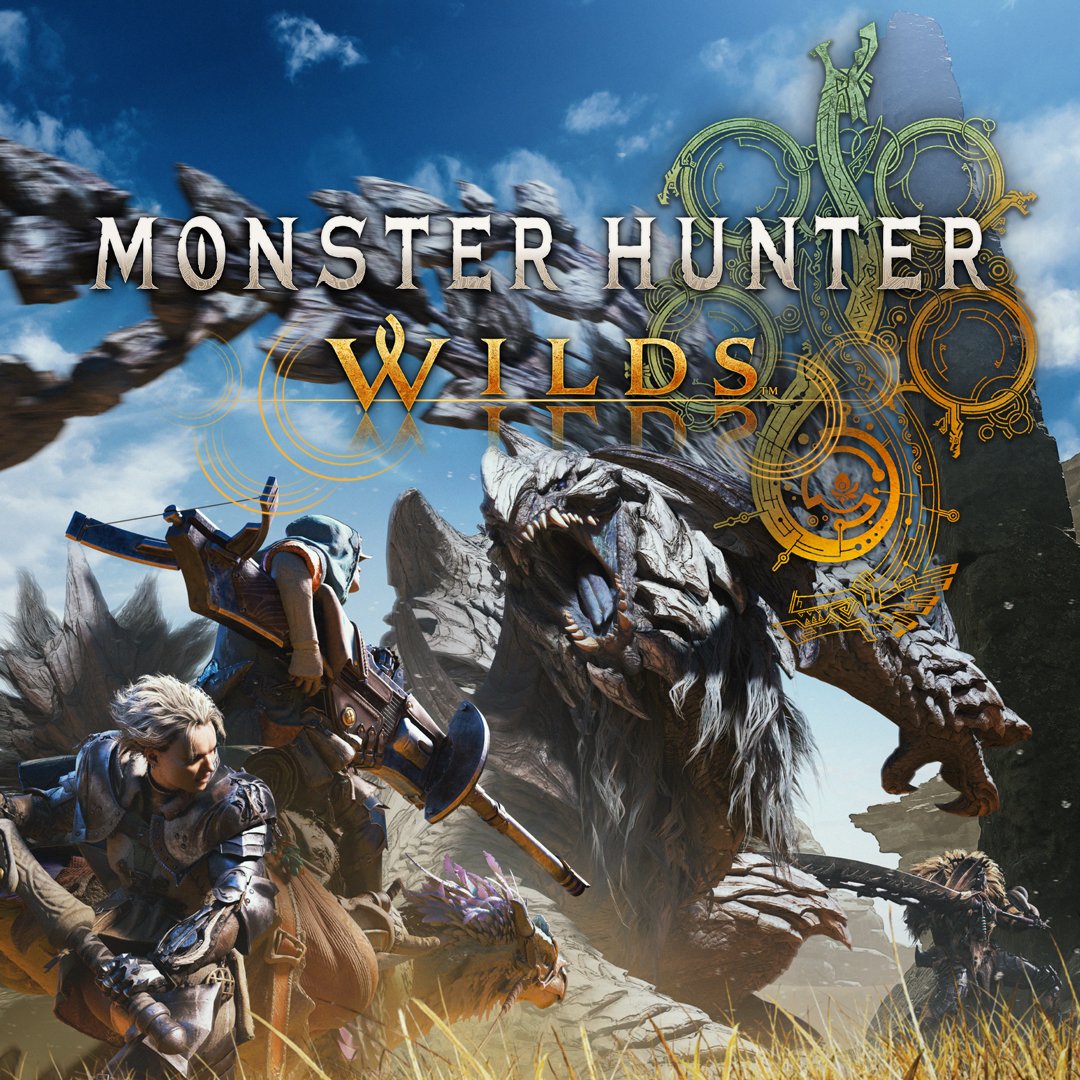
Capcom’s latest entry in its long‑running monster‑hunting franchise, Monster Hunter Wilds, delivers many of the series’ long‑promised upgrades—open‑world environments, a vast roster of monsters, refined weapon systems and streamlined access for newcomers. And yet, beneath that gloss lie enough compromises and technical issues that prevent it from being the unquestioned best Monster Hunter yet.
Setting & Story
Wilds drops hunters into the sprawling “Forbidden Lands,” an open‑world ecosystem full of dynamic terrain, seasons, weather changes and huge monster ecosystems. The shift away from segmented missions into a more fluid world is one of the game’s biggest wins. One of the reviewers calls it “finally delivers on the promise of a truly vibrant and living open world.”
The story itself serves largely as a framing device: you’re tasked with entering the Forbidden Lands, investigating monster behavior, forging alliances and ending the threat. It isn’t the deepest narrative in the franchise, but it supports the hunts well. Some players and critics, though, found the early portion turgid and pacing slow, as your true freedom only unlocks after a number of hours.
Gameplay: Hunts, Weapons & World
When Wilds hits its stride, it truly shines. Combat remains the heart of the series—whether you’re using the great sword, bowgun, or one of the fourteen weapon styles, the executions feel satisfying and weighty. One review notes that “there are 14 different types of weapons … keeps gameplay fresh.”
The open‑world design allows monsters to roam, ecosystems to react, and hunters to approach hunts in varied ways. You can call mounts, track monsters, engage multiple battles in sequence—all of which lend a satisfying scope. Critics praised the monster roster, saying that “the diversity is immense … far from the same‑y wyvern fests of some games.”
Wilds also introduces new quality‑of‑life mechanics: second weapons, mounted combat, more streamlined menus—making the game more welcoming for newcomers while still offering depth for veteran players.
However, the game also introduces some trade‑offs. Veteran hunters have criticized that the difficulty has been significantly reduced—meaning some of the strategic preparation and tension of older entries is less present. One Reddit user wrote:
“The entire core gameplay loop is ruined … the game is far too easy … I never really felt the need to do any of that.”
In addition, some missions feel repetitive once you’re past the initial curve, and exploration can feel less rewarding if the monster variety feels thin or the world starts to lose its novelty.
Visuals & Audio
On the presentation front, Wilds delivers big—when running well. Landscapes are dramatic: sweeping vistas, dynamic weather systems and massive monsters with cinematic flair. According to multiple outlets, the visual design is one of the highlights, especially during big boss encounters.
That said, the technical polish doesn’t always match the ambition. On PC and even PS5/PS5 Pro, players have reported frame‑rate drops, stutters, texture pop‑ins and pathing issues (especially with large monsters or mounts). One reviewer noted:
“While the final release performs much better than the beta … it still falls short of expectations … suffers from some severe pathing issues … multiplayer frequently disconnects.”
These issues have cast a shadow over what is otherwise a visually impressive game.
Audio is strong though: the sound of monster roars, weapon clashes, environmental ambience—all of it contributes to the hunt. The audio design retains the heavy, tactile feel the series is known for.
Strengths & Weaknesses
Pros:
- Vast open world full of exploration, monster variety and vertical terrain.
- Deep and varied weapon mechanics that satisfy both newcomers and veterans.
- Monster roster rich in diversity and spectacle.
- Streamlined systems and quality‑of‑life improvements make the game more accessible.
- Strong atmosphere and audiovisuals when the game is running smoothly.
Cons:
- Technical performance issues and polish problems detract from the experience.
- Difficulty reduction and simplified systems may disappoint long‑time hunters.
- Repetition creeps in during mid‑ to late‑game, and monster variety slightly less than ideal.
- Early part of campaign and tutorial segments feel sluggish.
- PC version (and some console builds) require stronger hardware and may still struggle.
Replayability & Longevity
Monster Hunter Wilds has the structure to be a long‑haul game. With dozens of monsters, gear paths, build experimentation and endgame challenges promised in future updates, there’s plenty of potential. One review remarked that for newcomers and veterans alike, it “streamlines nearly every aspect to perfection.”
The open‑world design encourages exploration beyond just monster hunts—discovering camps, climbing peaks, unearthing secrets. For those willing to dig into build variety (weapon types, armour sets, monster parts) there’s serious engagement.
However, the concerns with repetition and difficulty may limit its long‑term appeal for hardcore players. Without a strong early end‑game or major ongoing content at launch, some might find the loop thinner compared to beloved entries like Monster Hunter World. Community commentary supports this:
“I’m not sure if the game is worth its price tag… it’s a short game at its current state.”
Final Verdict
Monster Hunter Wilds is a bold and compelling evolution of the franchise. It brings major leaps in world design, monster encounters and accessibility while retaining the core thrill of the hunt. For many players—especially newcomers or those seeking a fresh monster‑hunting experience—it delivers big.
Yet it’s not without flaws. The performance hiccups, simplification of challenge, and some sense of repetition hold it back from being the best Monster Hunter ever out of the box. That said, if you’re looking to dive in now, there’s immense fun to be had—just perhaps with tempered expectations and hope for the updates ahead.
A monstrously ambitious and mostly successful action RPG that earns its place in the franchise, even if it falls short of perfection.