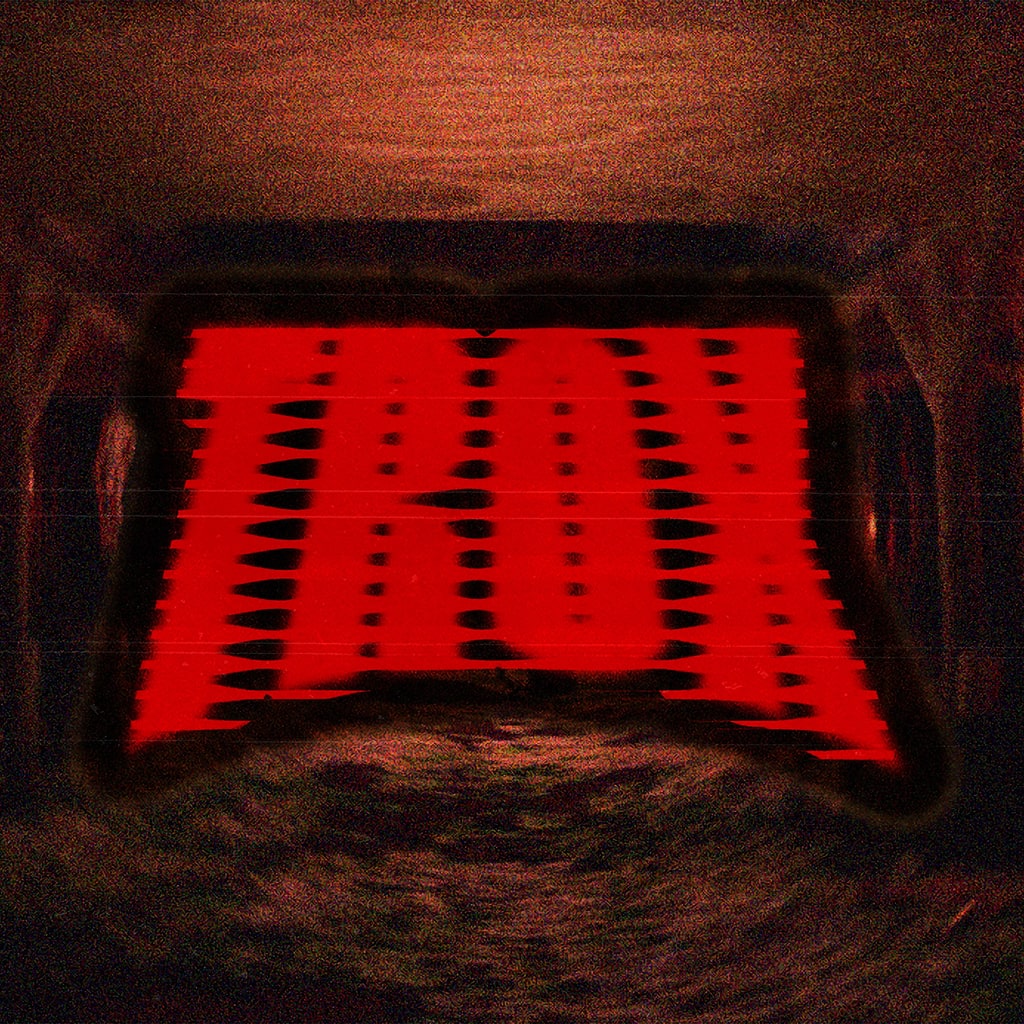
Psychological horror thrives on discomfort, not just through monsters or jump scares, but through implication—through the sense that something is fundamentally wrong with the world you inhabit. TROX: The Reversal, developed by TROJANPRODUCTIONS, understands this principle intimately. Set in a bleak post-apocalyptic society governed by the chilling “Sustainable Meat Act,” it builds its horror not from spectacle but from the slow unravelling of reality, memory, and morality.
Released on PC and PlayStation on March 19, 2026 (with a Nintendo Switch release following shortly after), TROX presents itself as a first-person, PS1-inspired psychological horror experience. It is deliberately low-poly, intentionally restrained, and heavily focused on linear storytelling and environmental narrative design.
What it lacks in mechanical complexity, it attempts to make up for in thematic weight—and in many ways, it succeeds.
A World Built on Sacrifice
The premise of TROX is immediately unsettling. Humanity, pushed to the brink after World War III, has been forced into a grotesque survival system. With natural food sources extinct, the government enforces the Sustainable Meat Act, which requires every family to make a “contribution” to sustain society.
You play as Marco, a man trying to navigate this collapsing world while searching for his wife. What begins as a quiet, almost mundane visit to family quickly spirals into a psychological descent, as reality grows increasingly unstable and every interaction feels layered with unspoken dread.
Rather than presenting horror through overt external threats, TROX focuses on moral decay. The true horror lies not in what is seen, but in what is implied—what families are forced to do, what society has normalised, and what Marco may or may not be complicit in.
This is where the game’s writing excels. It avoids over-explanation, instead trusting the player to piece together meaning from fragmented conversations, environmental clues, and subtle visual storytelling.
PS1 Aesthetics as Psychological Tool
Visually, TROX leans heavily into its PS1-inspired aesthetic. Low-poly models, distorted textures, and intentionally crude animations define its world. However, this is not simply nostalgia-driven styling—it serves a thematic purpose.
The visual limitation heightens the sense of unreality. Characters appear slightly off, environments feel unstable, and lighting often distorts perception rather than clarifying it. This creates a constant sense of unease, as if the world itself is struggling to render correctly.
In many horror games, realism grounds fear. TROX does the opposite—it destabilises it. The more abstract the visuals become, the less certain the player feels about what is real and what is imagined.
This design choice is particularly effective in indoor environments. Claustrophobic hallways, dimly lit kitchens, and cramped living spaces become oppressive not because of detail, but because of suggestion. The player’s mind fills in the gaps, often in more disturbing ways than any detailed model could.
Narrative Structure and Pacing
TROX is a linear experience, and it makes no attempt to hide this. Progression is tightly controlled, with each segment guiding you through carefully constructed narrative beats.
This structure serves the story’s psychological focus. By limiting player freedom, the game maintains control over pacing, ensuring that tension builds gradually and deliberately. There are no distractions, no side objectives—only forward movement into deeper unease.
The narrative unfolds in a slow burn. Early sections feel deceptively normal, almost mundane, before gradually introducing inconsistencies in dialogue, memory, and the environment. It becomes increasingly difficult to trust what Marco is experiencing.
Is he uncovering a truth? Or losing his grip on reality?
The game never fully answers this question, and that ambiguity is central to its impact.
Environmental Storytelling and Detail
One of TROX’s strongest elements is its use of environmental storytelling. Every room tells part of a larger, fractured narrative. A half-finished meal on a table, a locked door with faint scratches, or an unexplained absence of certain family members—all serve as fragments of a larger psychological puzzle.
These details are never explicitly explained. Instead, they act as interpretive anchors, allowing players to construct their own understanding of events.
This approach is particularly effective in a horror context. Rather than relying on scripted exposition, TROX allows dread to accumulate organically. The player is constantly interpreting, second-guessing, and re-evaluating what they have seen.
Even simple interactions—opening drawers, walking through corridors, listening to distant sounds—are framed to encourage scrutiny. Nothing feels accidental.
Sound Design and Atmosphere
Sound is crucial to TROX’s psychological impact. The game relies heavily on subtle audio cues: distant footsteps, muffled conversations behind walls, flickering electrical hums, and sudden plunges into silence.
Silence, in particular, is used effectively. It is rarely comfortable. Instead, it feels like anticipation—something has just stopped, or is about to begin.
Voice acting, when present, is intentionally subdued and often slightly unnatural. Dialogue delivery sometimes feels delayed or emotionally flattened, contributing to the sense that something is “off” in the world.
Combined with the visual aesthetic, this creates a cohesive atmosphere of instability. The player is never fully grounded, always slightly uncertain of the context.
Psychological Themes and Interpretation
At its core, TROX is about guilt, memory, and complicity. The Sustainable Meat Act is never fully explained in mechanical terms, yet its implications are clear enough to provoke discomfort. The idea that survival requires participation in something morally horrific underpins the game’s thematic identity.
Marco’s journey becomes less about finding his wife and more about confronting the nature of his reality. Whether the horrors he experiences are literal, metaphorical, or psychological is deliberately left ambiguous.
This ambiguity is both a strength and a limitation. On the one hand, it encourages interpretation and discussion. On the other, it may leave some players unsatisfied by the lack of concrete resolution.
However, TROX is not interested in providing comfort or closure. It is designed to linger in uncertainty.
Where It Struggles
Despite its strong atmosphere and thematic cohesion, TROX is not without flaws. Its linear structure, while effective for pacing, limits interactivity. Gameplay is minimal, often reduced to walking, observing, and interacting with key objects.
This lack of mechanical depth may frustrate players expecting more traditional horror mechanics.
Additionally, while its PS1-style visuals are thematically appropriate, they can occasionally hinder clarity. Important details are sometimes obscured by low resolution or ambiguous design, making progression slightly confusing.
There are also moments when the pacing becomes overly restrained, with certain sections lingering too long on minimal interaction before narrative progression resumes.
Final Thoughts
TROX: The Reversal is a deeply atmospheric psychological horror experience that prioritises narrative intent and emotional unease over gameplay complexity. It seeks to disturb rather than entertain, to unsettle rather than excite.
Its PS1-inspired aesthetic, environmental storytelling, and morally weighty premise combine to create a consistently oppressive experience that lingers long after it ends.
However, its minimal interactivity and rigid structure mean it will not appeal to all audiences. It is a deliberate, slow-moving piece of interactive horror storytelling rather than a traditional game in the mechanical sense.
For those willing to engage with its ambiguity and pacing, it offers a memorable and haunting journey into guilt, memory, and societal collapse.